
How to manage dental anxiety during a root canal
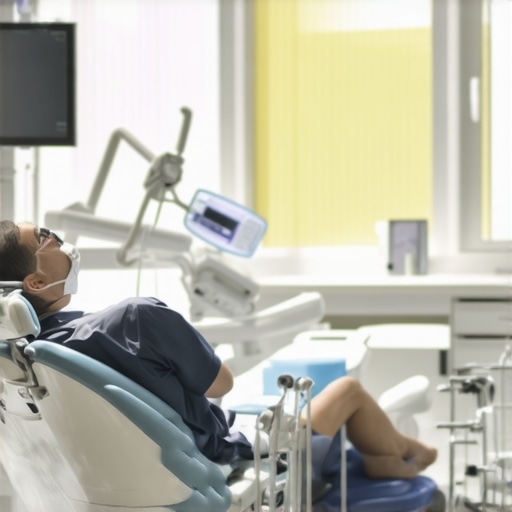
I remember sitting in the dental chair, palms sweaty, heart pounding as the drill buzzed ominously nearby. A tiny voice in my head kept saying, “Just run out now.” It was a lightbulb moment for me—realizing that my anxiety was almost as intimidating as the procedure itself. If you’ve ever felt that surge of panic before a root canal, you’re not alone. That sense of dread can make even the simplest dental appointment feel like climbing Mount Everest.
Why Managing Dental Anxiety Is a Must for Your Oral Health
Dental anxiety isn’t just about nerves; it can lead to skipped appointments, neglected oral health, and even more invasive treatments down the line. I learned early on that facing my fears head-on was the only way to protect my smile. Promising myself that I could find ways to ease the stress became a game-changer. Today, I want to share some practical strategies based on what truly works—because avoiding the dentist isn’t worth the long-term consequences.
Will Relaxation Techniques Really Make a Difference During a Root Canal?
One mistake I made was dismissing simple breathing exercises, thinking they wouldn’t help. But they genuinely lowered my heart rate and reduced my panic, allowing me to focus on the dentist’s calm voice instead of my racing thoughts. According to recent studies, deep breathing can significantly alleviate dental anxiety, making procedures much more tolerable. So, if you’re wondering whether these techniques are worth trying, the answer is a resounding yes. In the next sections, we’ll explore practical steps to keep your fears in check and feel more in control during dental visits. Ready to take back your confidence? Let’s dive in.
Bring Clarity to Your Dental Routine
Start by familiarizing yourself with the procedures you anticipate. For instance, understanding what a crown entails can demystify the process and reduce fear. Visit trusted resources like The Ultimate Guide to Crowns to get a clear picture.
Prepare Your Mind and Body Before Appointments
Practice Breathing and Relaxation Techniques
Deep breathing exercises can be your secret weapon. During my last appointment for a crown, I practiced slow, diaphragmatic breaths—inhale for four counts, hold for four, exhale for four. This method effectively lowered my heart rate and kept my mind from spiraling into panic. Incorporate this habit consistently to make it second nature before your visits.
Limit Stimulants and Practice Good Oral Hygiene
Avoid caffeine or sugary drinks right before your appointment—they can heighten anxiety. Also, maintain good oral health with gentle brushing and flossing to ensure you arrive feeling confident and in control, which eases your nerves. Check out Top Oral Health Tips for comprehensive guidance.
Use Visual and Auditory Aids During Treatment
Bring headphones and listen to calming music or guided meditations. Visual distractions such as a favorite photo can help shift focus away from procedures. When I went in for my root canal, playing my favorite playlist helped me stay anchored and calm throughout the process.
Communicate Effectively with Your Dentist
Express your fears openly. A good dentist will appreciate your honesty and may offer sedation or additional support. Don’t hesitate to ask questions—knowing every step can lessen the fear of the unknown. If you’re considering options like Invisalign, understanding the process through resources like how Invisalign transforms family dentistry can make the experience feel more predictable and less intimidating.
Follow Up with Post-Appointment Care
Proper aftercare ensures quick healing and reduces anxiety about complications. Using cold compresses can soothe swelling, and gentle oral hygiene helps prevent discomfort. For tips specific to post-procedure care, visit signs of proper healing.
Remember, taking small, deliberate steps to manage your stress during dental visits can make a significant difference. Implementing these techniques even during complex procedures like crowns or implants transforms the experience from overwhelming to manageable. Keep practicing, stay informed, and trust in your proactive approach to maintain your oral health with confidence.
Many patients assume that dental crowns are just cosmetic fixes, but in reality, their strategic value in restorative dentistry extends far beyond appearances. However, a common myth persists: that once a crown is placed, little maintenance is needed, and everything remains static. The truth is, crowns require meticulous care, and neglecting this can lead to premature failure or unseen damage; for example, improper oral hygiene around crowns may cause decay at the margins, which many overlook until significant issues arise. An advanced mistake many make is underestimating the importance of choosing the right crown material and technique, as seen in recent studies showing that ceramic crowns with a layered porcelain veneer are more prone to chipping if not crafted with precision—so selecting an experienced specialist matters. Also, some believe Invisalign is only suitable for minor corrections, but research demonstrates it effectively addresses complex malocclusions when combined with proper attachments and retention strategies, like those discussed in Invisalign myths debunked. An overlooked nuance here involves understanding the importance of attachment placement and material selection to prevent trays from popping off or causing uneven tooth movements—common pitfalls that undermine treatment goals. Are you aware that family dentistry isn’t just about routine cleanings? It encompasses a wide approach, including early intervention, preventive care, and personalized education tailored for every age group, as highlighted in current trends in family dentistry. Neglecting this broader scope often results in reactive rather than proactive care, leading to more invasive procedures down the line. Moreover, many assume Invisalign is a quick fix; however, success hinges on comprehensive planning involving data collection via digital scans and understanding tissue responses—an area where many patients, and even some practitioners, stumble without advanced training. Interestingly, a study by the American Association of Orthodontists emphasizes that a tailored approach considering jaw biomechanics significantly improves outcomes. Have you ever fallen into this trap? Let me know in the comments.
Keeping your dental restorations like crowns and aligners in top shape requires the right tools and consistent maintenance routines. Personally, I rely on a few specialized devices and software to ensure my oral health remains optimal over the years. For instance, I use a high-quality ultrasonic scaler such as the Philips Sonicare ProtectiveClean 6100, which effectively removes plaque and tartar around crowns and bridges without damaging the restorative material. Its gentle but thorough cleaning capability helps prevent decay at margins, which is crucial for longevity. Additionally, I incorporate an electric toothbrush equipped with a quad-pulse technology, like the Oral-B Genius X, to deliver superior plaque removal, especially around sensitive areas. This approach reduces the risk of gum disease and ensures that my crowns and natural teeth stay healthy long-term.
How do I maintain my Invisalign trays and prevent staining over time?
To keep Invisalign trays clear and odor-free, I use a deep cleaning method involving a purpose-made tray cleaner like Retainer Brite. I soak my trays weekly in a mixture of lukewarm water and the cleaner, as recommended by dental experts. This prevents plaque buildup and staining, which can compromise their effectiveness and appearance. Additionally, I avoid sugary or pigmented drinks while wearing trays, aligning with advice from the American Association of Orthodontists, who emphasize the importance of proper maintenance to avoid discoloration and maintain hygiene. For long-term results, I plan to continue using these cleaning protocols and regularly consult my dentist for checkups to catch any issues early.
In the future, I think the combination of smart, IoT-enabled oral health devices and AI-powered monitoring apps will become standard. Imagine a smart toothbrush that automatically tracks your brushing habits and signals when it’s time to replace your brush head or adjust your technique, or an app that alerts you when your crown shows signs of wear before it becomes a problem. These innovations can help us catch potential issues early, saving time and costs on repairs or replacements.
What are the essential maintenance steps for durable crowns and effective Invisalign treatments?
Regular checkups are vital. During appointments, your dentist can inspect crowns for any marginal decay or cracks and verify that Invisalign attachments remain secure. Personal care involves daily flossing with tools like floss picks or water flossers, which can clean hard-to-reach areas around crowns and between teeth—something I find invaluable. Practice gentle brushing twice daily with fluoridated toothpaste and avoid abrasive whitening products that may damage the restorative material or clear aligners. An often overlooked step is assessing your habits; for example, avoiding biting into hard foods or ice can prevent chipping crowns or dislodging aligners, ensuring your investments last longer. According to dentistry experts, proactive maintenance is the key to durable dental restorations and successful orthodontic outcomes.
If you’d like a proactive step to enhance your maintenance routine today, try incorporating a gentle interdental cleaner or a water flosser into your daily habits. These tools make it easier to clean around crowns and aligners, preventing plaque buildup and staining. Regular use can significantly extend the lifespan of your dental work and improve overall oral health. Schedule your next professional cleaning and evaluation to ensure everything remains in perfect working order—your smile will thank you for it!
Three Lessons I Wish I Knew About Crowns and Family Dentistry
- Perfection Takes Patience: Early on, I believed a crown was a quick fix, but I learned that choosing an experienced specialist and understanding each step made all the difference—see why expert guidance matters.
- Prevention Over Repair: Neglecting proper care led me to realize that maintaining crowns and adopting proactive habits extend their lifespan—discover key tips at top oral health tips.
- Education Empowers: Understanding procedures like Invisalign transformed my experience. Knowing what to expect minimizes anxiety—learn more about innovative orthodontic options here.
Tools and Resources That Changed My Dental Care Game
- Sonicare ProtectiveClean 6100: Gentle but effective cleaning around crowns—trusted for its innovation.
- Retainer Brite: Keeps Invisalign trays pristine and stain-free—my go-to for maintaining clarity.
- American Association of Orthodontists Resources: Provides insights into complex Invisalign planning—crucial for successful treatment.
- Family Dentist Pro Blog: Offers practical advice and latest trends—my trusted source for family and restorative dentistry info.
Your Smile’s Next Chapter Starts Now
Remember, every step toward understanding and caring for your dental health amplifies your confidence. Whether it’s crowns, Invisalign, or family dentistry, taking action today will shape a healthier tomorrow. Keep learning, stay proactive, and let your smile shine bright. What aspect of your dental routine are you ready to improve? Share below—I’d love to hear your story!