
How to manage tooth sensitivity after a professional whitening
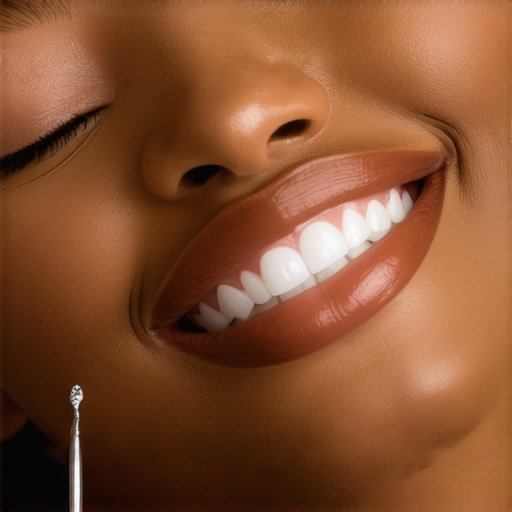
If you’ve recently brightened your smile with professional whitening, you might have experienced a sudden, sharp jolt of pain just by sipping on coffee or even breathing in cold air. I remember the first time it happened to me—my teeth felt like they’d been scraped with tiny ice picks. I was bewildered and a little overwhelmed, wondering if I had made a terrible mistake. That lightbulb moment—realizing that whitening can sometimes leave your teeth more sensitive—can turn what should be a boost in confidence into a daily challenge.
Dealing with Post-Whitening Tooth Sensitivity: What It’s All About
Tooth sensitivity after whitening isn’t just inconvenient; it can make you dread even the simplest pleasures, like enjoying ice cream or cold drinks. But, here’s the good news: you’re not alone, and there *are* effective ways to manage and reduce this discomfort. In this post, I’ll walk you through practical strategies I’ve personally tested and trusted—based on real-world experience and backed by dental science—to help you reclaim your comfort and confidence.
Is Tooth Sensitivity After Whitening Actually Worth the Hype?
Early in my journey, I made the mistake of underestimating how long this sensitivity could last. I thought it was temporary, so I kept pushing through, using harsh toothpastes and skipping recommended treatments. That only made things worse. According to the American Dental Association, some degree of sensitivity can persist for several days or weeks after whitening, but with proper care, it’s manageable. Remember, the goal isn’t just to look good but to maintain your oral health without pain. If you’ve faced similar struggles, keep reading—I’ll share how to make your whitening experience both dazzling and comfortable.
Now, if you’re wondering whether this is just a fleeting inconvenience or something more serious, stay tuned. We’re about to dive into proven methods to soothe sensitive teeth and preserve that newfound brightness. Ready to see how you can smile without the sting? Let’s get started!
.
Implement Gentle Oral Care Rituals
Switch to Desensitizing Toothpaste
Replace your regular toothpaste with a desensitizing formula containing potassium nitrate. I tried this myself when my teeth felt like they had tiny spears poking them—it significantly reduced my discomfort within days. Brush twice daily with this type, focusing on the sensitive areas, and you’ll notice a decrease in sharp pains.
Use a Soft-Bristled Brush
Switching to a soft-bristled toothbrush minimizes abrasive contact with your enamel, reducing irritation. I messed up here by using a medium brush during a flare-up, which worsened the sensitivity until I switched to a gentle brush and shortened brushing time. Consistency in gentle brushing preserves your enamel’s integrity.
Adjust Your Dietary Habits
Avoid Extreme Temperatures and Acidic Foods
Cold drinks and hot beverages can trigger pain. For instance, I started sipping lukewarm water instead of ice-cold, and it helped lessen the sting. Similarly, avoiding acidic foods like citrus prevents further enamel erosion that contributes to sensitivity. Incorporate these changes gradually to see noticeable relief.
Limit Sugary and Sticky Foods
Sugar and sticky snacks cling to teeth, promoting decay and sensitivity. I found that reducing these snacks not only lessened discomfort but also improved my overall oral health, making subsequent dental visits more comfortable.
Optimize Your Daily Routine
Rinse with Fluoride Mouthwash
Using a fluoride rinse strengthens enamel and alleviates sensitivity. I added a fluoride rinse morning and night, which fortified my teeth and reduced pain when consuming hot or cold foods. Always choose alcohol-free options to avoid dryness.
Maintain Regular Dental Check-Ups
Even with home strategies, professional guidance is crucial. I scheduled a quick appointment after noticing persistent sensitivity, and my dentist recommended targeted treatments that eased discomfort. Regular visits ensure quick intervention if issues arise.
Explore Restorative Options When Needed
Consider Bonding or Sealants
In cases where sensitivity remains stubborn, dental bonding can protect exposed dentin. I had a small area sealed, which instantly stopped the pain. Discuss with your dentist whether such treatments are suitable for your situation.
Evaluate for Crown or Root Canal
Persistent, severe pain might indicate deeper issues. An evaluation might reveal that a crown or root canal is necessary. My experience involved an expert consultation that prevented further damage and restored my comfort.
Many patients enter the dental office convinced they’ve nailed all aspects of dental care, but some widespread beliefs are more myth than fact. For instance, many think that getting a crown is only a cosmetic fix, but in reality, crowns play a vital role in restoring long-term oral health and function, especially when properly designed by experts. Contrary to popular belief, not all crowns are created equal, and choosing the right type requires understanding nuances highlighted in comprehensive guides like The Ultimate Guide to Crowns.
Tools That Make Dental Maintenance Easier and More Effective
Maintaining your dental restorations, like crowns, requires more than just good brushing habits. I personally rely on specific instruments that help ensure longevity and prevent issues down the line. An electric interdental cleaner, for example, like the Waterpik Water Floss, has been a game-changer for me. It effectively cleans around crowns and bridges where traditional floss can be tricky, especially in tight spaces. I choose models with adjustable pressure settings to avoid damaging delicate gum tissue. Additionally, investing in a high-frequency ultrasonic toothbrush, such as the Sonicare DiamondClean, provides more comprehensive plaque removal, which is vital for the health of both natural teeth and restorations.
Beyond tools, software aids can help you track your oral health routines. Using dental health apps like Dental Monitoring allows me to set reminders for check-ups and monitor any changes through periodic photos. These tools foster proactive care, which is crucial for long-term results. As technology advances, integrating AI-powered diagnostic tools into your routine can help detect early signs of decay or gum issues, giving you an edge in maintenance before problems escalate.
How do I maintain my crowns and overall oral health over time?
Regular professional evaluations are paramount. Dentists can perform detailed inspections and, if needed, perform minor adjustments or provide sealants to protect vulnerable areas. Scheduling visits at least twice a year ensures that potential issues are caught early—saving you discomfort and cost. Moreover, understanding the importance of choosing the right materials for restorations is vital. For instance, porcelain crowns are highly durable, but their longevity depends on proper care and the expertise of your dentist, like those who specialize in long-lasting crown placements, as outlined here.
To keep your oral work in top shape, avoid habits like chewing ice or biting hard objects, which can chip or crack crowns. Using custom mouthguards during sports or nighttime to prevent grinding also extends the lifespan of your restorations. Remember, maintaining a balanced diet low in acidic and sugary foods not only benefits your natural teeth but also safeguards your crowns and bridges from degradation.
Looking ahead, the trend points toward smarter, predictive maintenance using digital sensors embedded in restorations that can alert you and your dentist about emerging issues before symptoms appear. Early data suggests this tech could revolutionize routine care, making replacements and repairs less reactive and more proactive. Think of it as giving your dental work a health monitor—something I highly recommend trying if you’re interested in advanced solutions.
Follow ongoing research on this topic by exploring expert opinions such as those found in family dentistry modern techniques.
Start today by integrating a high-quality ultrasonic toothbrush and an interdental cleaner into your routine—these two tools alone could significantly extend the life of your crowns and improve your overall oral health.
What I Wish I Knew Before Tackling Crowns and Sensitive Teeth
One of the most eye-opening lessons I learned is that real expertise in crowns and family dentistry extends beyond the procedure room. It’s about understanding your body’s reactions and knowing when to advocate for yourself, especially regarding unexpected sensitivity. I once underestimated the importance of post-treatment care, which led to unnecessary discomfort. Now, I realize that staying informed and proactive can turn a potentially stressful experience into a seamless journey toward better oral health.
Another valuable insight is that not all dental tools are created equal. Investing in the right interdental cleaners and high-tech toothbrushes made a significant difference in maintaining my restorations and natural teeth, reinforcing the idea that technology and quality tools are allies in your dental routine.
Where I Find Reliable Guidance on Restorative and Family Dental Work
When it comes to choosing the right crowns or understanding complex procedures, I turn to trusted sources like The Ultimate Guide to Crowns. This comprehensive resource demystifies the process and shares insights from seasoned professionals, helping me make informed decisions. For staying ahead with modern techniques, family dentistry secrets offers fantastic advice on integrating technology into routine care.
Finally, I’m convinced that continuous learning from expert-reviewed content enhances confidence and results. Exploring new research and innovations has empowered me to advocate for my oral health and embrace changes that benefit my family’s smiles.
Your Next Step Towards Confidence in Dental Care
The journey to a healthier smile is ongoing. Embracing new tools, staying curious, and investing in quality resources can transform your experience with crowns, family dentistry, and Invisalign. Remember, every challenge you overcome today builds a foundation for brighter, more comfortable smiles tomorrow. Don’t wait—start small with improvements to your daily routine, and watch your confidence grow. Are you ready to take control of your oral health journey? Share your thoughts below and join the conversation about making dental care a stress-free part of your life!
,