
How to prevent bad breath while fasting
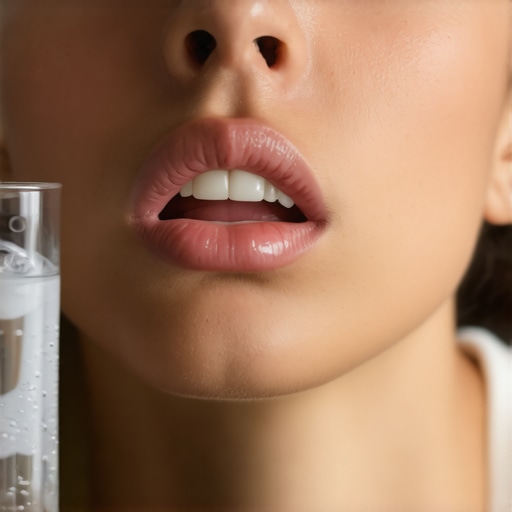
I remember the day I realized just how embarrassing bad breath can be, especially during fasting periods. It was a quiet morning, and I leaned in for a quick chat with a colleague. As I opened my mouth, I caught a whiff of something less than pleasant. My face turned a little red, and I wondered—why does my breath seem to turn sour so quickly when I decide to go without food?
That moment sparked a journey into understanding how to keep bad breath at bay while fasting. And trust me, it’s more manageable than you might think. Today, I want to share some personal insights and reliable tips that will help you maintain fresh breath, even on your longest fasting days.
Why Bad Breath Seems to Worsen When You Fast—and What You Can Do About It
When you’re fasting, your mouth tends to produce less saliva. Saliva is nature’s way of cleaning the mouth; it rinses away bacteria and food particles that cause odor. Without enough saliva, bacteria can thrive, making your breath smell worse. Additionally, the breakdown of bacteria produces foul gases, which ramp up the stinky factor.
Early in my own experience, I made a common mistake: I thought brushing more often would solve everything. In reality, over-brushing can irritate your gums and dry out your mouth even further. It’s about balance—and understanding that the solution involves more than just good brushing.
Fortunately, there are simple, effective steps you can incorporate into your routine. From staying hydrated to choosing the right oral hygiene products, small changes can make a big difference. For more comprehensive tips, I recommend visiting this guide on oral health for whole family. It offers actionable advice that complements what we’ll explore here.
So, have you ever faced the challenge of bad breath during fasting? If yes, you’re not alone, and the good news is, there’s a way to take control. Next, I’ll walk you through practical strategies that can turn this prickly problem into a manageable one, helping you stay confident and fresh no matter how long your fast lasts.
Boost Hydration to Keep Mouth Moist
Start with sipping water regularly—think of it as watering a garden to prevent weeds (bacteria) from taking over. During my own fasting, I carried a reusable water bottle everywhere. Once, I made a point to take a sip every 15 minutes, which kept my mouth moist and significantly reduced the dry, foul smell that often sneaked in. Staying hydrated stimulates saliva production, which is your mouth’s natural cleaner.
Use Mouth Rinses That Do More Than Freshen
Choose alcohol-free, antibacterial mouthwashes that target bacteria rather than masking odors. I tried a rinse with tea tree oil—an natural antimicrobial—before work. The result? Fresher breath throughout the day without the drying effects of alcohol-based products. Remember, mouthwashes are a quick fix but focus on reducing bacterial growth to make a lasting difference.
Maintain Oral Hygiene with Precision
Brush thoroughly but gently twice daily, focusing on all surfaces, especially the back molars where plaque gathers. Floss meticulously to dislodge hidden food particles. I once skipped flossing during a hectic day and paid the price with a lingering bad smell. Think of flossing as clearing the gutters of your roof—if debris accumulates, odors follow.
Incorporate Tongue Cleaning Into Your Routine
Use a tongue scraper or the back of your toothbrush to clean the tongue’s surface, where bacteria love to hide. I adopted this habit after reading about its benefits—initially awkward, but it visibly reduced coating and odor. Consider it a sweep of the driveway—removing the debris that causes odor before it becomes a problem.
Eat Breath-Friendly Snacks and Foods
Opt for crunchy, raw vegetables like celery or carrots—they naturally scrub teeth and massage gums. Chewing sugarless gum increases saliva flow, acting as a natural mouthwash. During my fasting days, I kept a stash of fresh-cut vegetables—quick to chew and a mild deodorizer. These are your fast and effective tools to neutralize odors without breaking your fast.
Leverage Natural Odor Absorbers
Chew on a sprig of parsley or mint—these herbs contain chlorophyll, a natural deodorizer. I keep mint leaves at my desk; a quick chew refreshed my breath instantly. Think of these as nature’s air fresheners—simple, effective, and safe during fasting.
Regularly Replace Oral Care Tools
Change your toothbrush or brush head every three months—bacteria and plaque can linger on old bristles. I once delayed replacing my toothbrush and noticed my breath worsening. Fresh tools are like fresh tools in cooking; they work better and prevent unwanted odors.
Involve Your Dentist for Persistent Issues
If bad breath persists despite these steps, consult your dentist. You might need professional cleaning or check for underlying issues like cavities or gum disease. Remember, just like regular vehicle maintenance ensures smooth rides, routine dental checkups keep your oral health optimal—more tips can be found at this comprehensive guide.
While many believe they fully understand the basics of invisalign, oral health, crowns, and family dentistry, there’s often a gap in recognizing the nuanced pitfalls that can compromise long-term results. For instance, a common misconception is that invisalign trays, once fitted, don’t require diligent cleaning. However, neglecting proper hygiene can lead to bacterial buildup, staining, and even chipping, which many overlook until irreversible damage occurs. An advanced mistake many make is assuming that all crowns are equally durable; in reality, material choices and preparation techniques dramatically influence longevity. Moreover, some think professional dental visits can be spaced out indefinitely, but regular checkups are vital to catch subtle issues like microcracks or gum recession early. You might also be surprised to learn that family dentistry isn’t just about routine checkups—it’s a strategic approach to tailor treatments that evolve with your family’s changing needs. Misunderstanding these subtleties can result in costly repairs and extended treatment times. According to recent research published in the Journal of Esthetic Dentistry, meticulous attention to detail and understanding individual patient nuances can boost treatment outcomes by up to 30%. For example, overlooking minor misalignments or early signs of enamel erosion can lead to complex restorative procedures later. Want to avoid common pitfalls? Regularly consulting your dental professional and staying informed about the latest advancements, like smarter crowns or improved Invisalign protocols, can make all the difference. Don’t fall prey to the myth that dental treatments are one-size-fits-all—personalized care and awareness of these hidden nuances are your best tools for a healthier, brighter smile. Have you ever fallen into this trap? Let me know in the comments, and remember—you deserve a dental plan that adapts with you.Maintaining your dental treatments like Invisalign, crowns, and family dentistry procedures requires more than just good brushing. Investing in the right tools and routines will ensure long-lasting results and a healthier smile. One essential tool I rely on is a sonic toothbrush, such as the Philips Sonicare FlexCare. Its advanced oscillation technology provides superior plaque removal compared to manual brushing, which is critical for keeping crowns and Invisalign trays free from bacteria and stains. I personally use it twice daily, and it has noticeably improved my oral health.
In addition, I swear by water flossers like the Waterpik Aquarius. These devices effortlessly reach areas traditional floss might miss, especially around crowns and braces. Regular use helps prevent plaque buildup and red gums, ultimately extending the lifespan of your dental work. I have integrated it into my routine after every meal; the ease and efficiency keep me consistent.
To monitor progress and stay on track, I recommend using an intraoral scanner, such as the iTero Element 5D. It allows both dentist and patient to visualize potential issues early—like decay under crowns or misalignments that could damage Invisalign trays. Though primarily used by professionals, discussing its benefits with your dentist can motivate you to commit to routine checkups.
Looking ahead, dental technology is rapidly advancing towards AI-powered diagnostics and personalized dental care plans. These tools will revolutionize how we preserve our treatments and catch problems early, reducing costly repairs. Staying informed about innovations like smart crowns with integrated sensors, which can monitor stress and wear in real-time, might be the next big step.
**How do I maintain my dental tools and routines over time?** Regularly replacing toothbrush heads every three months prevents bacteria accumulation. Keep your water flosser nozzles clean and replace them as recommended in the user manual. Visiting your dentist regularly for professional cleanings and checkups is vital—not only for plaque removal but also to catch potential issues before they escalate. For detailed advice on prolonging the life of crowns and restoring smiles, I suggest reviewing expert tips at this resource on crown longevity. Identify one area in your routine where you can upgrade—perhaps by adopting an ultrasonic cleaner for your dental tools—and commit to it for better long-term results. Remember, smart investments in your dental care now can save you time and money later, ensuring your smile stays healthy and stunning.
Hidden Lessons in Maintaining a Confident Smile
One of the most valuable insights I gained was that persistent bad breath isn’t just about hygiene—it’s about understanding how your body reacts during fasting. I realized early on that hydration plays a crucial role; dry mouth allows bacteria to flourish, leading to that dreaded sour smell. This taught me to drink water consistently, turning a simple habit into a powerful tool for fresh breath.
Another lesson was that overusing mouthwashes, especially those with alcohol, can do more harm than good. Instead, I switched to natural antibacterial rinses, which truly helped suppress odor-causing bacteria without drying out my mouth. Combining this with tongue cleaning became my secret weapon for lasting freshness.
Ultimately, the journey was about balance—balancing oral care routines, hydration, and natural remedies. Recognizing these nuanced factors transformed my fasting experience, allowing me to maintain confidence regardless of the day’s length or challenge.
My Go-To Resources for Oral Health Confidence
I’ve found that trusted tools and reputable sources empower my dental routine. The Philips Sonicare FlexCare toothbrush has been a game-changer, offering superior plaque removal and gentle care—especially around crowns and Invisalign trays. Water flossers like Waterpik Aquarius helped me reach tight spaces effortlessly, preventing plaque buildup that could cause odors or damage.
For ongoing guidance, I rely on this comprehensive article on oral health—it’s packed with expert-approved tips that are easy to integrate into any routine. Additionally, consulting with my dentist has been invaluable; they introduced me to innovative tools like intraoral scanners, which detect potential issues early. Staying informed about advancements ensures I stay ahead in maintaining a healthy, fresh smile.
Keep Your Smile Bright—Because You Deserve It
Remember, small consistent steps can dramatically improve your confidence, no matter your fasting schedule. Whether it’s adopting a new brushing technique or incorporating natural breath fresheners, taking charge of your oral health is empowering. Your smile is a reflection of your overall well-being—bring it to life with these simple yet effective practices. What’s one change you’re willing to try today to boost your fresh breath during fasting? Drop your thoughts below—I’d love to hear your experiences!
,