
How to prevent your dental crown from popping off while eating
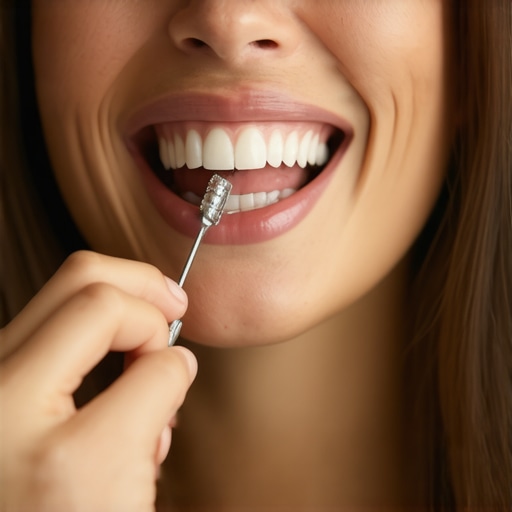
I’ll never forget the first time my dental crown popped off mid-bite. I was chewing my favorite crunchy apple, and suddenly, I felt that unmistakable wobble. Panic set in—I was embarrassed, a little angry at myself for not being more careful, and honestly, I wondered if I was doomed to a life of dental disasters. That moment was a lightbulb for me: maintaining my crown’s stay during meals isn’t just about avoiding embarrassment—it’s crucial for my oral health and confidence. If you’ve ever felt the same sinking feeling, you’re not alone. Many folks underestimate how a simple misstep can lead to a crown falling off unexpectedly, especially during everyday meals.
Why Your Crown Might Be Falling Off: The Hidden Facts
Turns out, there are several sneaky reasons why a dental crown might pop off while you’re enjoying your meal. One common mistake I made early on was not paying attention to what I was eating immediately after getting my crown. I thought it was safe to eat anything, but certain foods—like sticky candies or grabbing that hard crusty bread—can put unexpected stress on your new crown. Over time, I learned that understanding how to protect your restoration during meals can save you a lot of trouble and a trip back to the dentist. Did you know that improper biting pressure or not following your dentist’s instructions can cause your crown to loosen or fall off? In fact, research shows that a significant number of crown failures are due to avoidable habits like chewing on hard objects or neglecting follow-up care. Want to know exactly what behaviors to watch out for? Keep reading.
Is It Really Worth the Fuss? Myths About Saving Your Crown
Like many others, I was skeptical at first—thinking, ‘Will a few precautions really make that much difference?’ Well, I made the mistake of ignoring advice from my dentist about tough foods and improper oral hygiene. That oversight led to a frustrating experience of a crown coming loose during dinner, which could have been easily prevented. Honestly, avoiding these common pitfalls isn’t just about saving money—it’s about preserving your confidence and comfort. If you’re curious whether these tips are worth trying, I promise that the steps I share later will make a real difference. For a deeper understanding, check out why crowns are a game-changer in restorative dentistry.
So if you’ve faced that sinking feeling of a loose or falling crown, don’t worry—we’re about to get into practical, proven ways to keep your crown secure while enjoying your favorite foods. It’s time to regain control and keep that beautiful smile shining.
,
Handle Sticky Situations Immediately
Once your crown pops off, act fast. Gently rinse it with water to remove debris, then carefully place it on your clean, dry finger. Avoid using toothpaste or solvents, as these can damage the crown. If possible, gently insert the crown back into your tooth to see if it fits snugly—if it does, you might be able to temporarily reattach it using over-the-counter dental cement found at pharmacies. I remember the first time this happened, I hurriedly tried to fit it back with a dab of household glue, which was a mistake—never do that. Instead, consult your dentist promptly to ensure proper re-cementing and avoid further damage.
Create a Safe Environment to Prevent Further Damage
Clear your workspace of any food, toothbrushes, or dental tools. Be cautious around sharp edges or small objects that could further damage the crown or your tooth. Keep the crown in a sealed container to prevent losing it. Think of your mouth as a fragile sculpture—every move counts. I once kept my crown in a small plastic bag, which made it easier to show my dentist during my visit, enhancing the chances of successful reattachment.
Adjust Your Eating Habits Immediately
Switch to soft foods temporarily. Think of it like easing a new car into gear: gentle acceleration prevents unnecessary stress. Avoid sticky, hard, or crunchy foods that could dislodge the crown again. I found that bread crusts and sticky candies are especially tricky—they act like dental villains, tearing at your restoration. Cutting tough foods into manageable pieces can significantly reduce the risk of crown dislodging. Keep a mental note: if you’re eating hard foods, you’re testing the limits of your healing or existing bond.
Practice Proper Oral Hygiene to Protect Your Crown
Gently brush around the affected area, avoiding excessive pressure. Use a soft-bristled toothbrush and low-abrasion toothpaste to prevent irritating your gums or loosening the crown further. Floss carefully to remove trapped food particles, but skip that area if flossing causes resistance—force can dislodge the crown. Remember, your mouth is like a garden—you must tend to it delicately to ensure your restoration stays healthy and secure. I learned this the hard way after trying to floss aggressively; now I floss with a gentle touch, mimicking the way I handle fragile glassware.
Schedule an Emergency Dental Appointment
Contact your dentist immediately—most practices prioritize emergency cases like a loose or fallen crown. Use this time to inform them of your situation and follow their instructions. Many dental offices, like Family Dentist Pro, are equipped to address such emergencies promptly. During your visit, the dentist will assess whether the crown can be re-bonded, replaced, or if further treatments are necessary. In the meantime, avoid DIY fixes that could cause more harm, and keep the area as clean and undisturbed as possible. Think of your dentist as the repair shop—trust their expertise to get your smile back in shape.Many people assume they understand oral health basics, but in reality, misconceptions and overlooked nuances can jeopardize long-term dental success. For example, a common myth is that all dental crowns are equally durable; however, the type of crown material and technique significantly influence longevity and function. In my professional experience, choosing porcelain-fused-to-metal crowns often offers a superior balance between strength and aesthetic appeal, as discussed in expert advice on crown selection. Additionally, there’s a widespread misunderstanding about Invisalign—many believe it’s only for cosmetic alignment, but it’s a versatile treatment that can address complex bite issues, as highlighted in recent Invisalign innovations reports.
How do I maintain my crowns and Invisalign trays over time?
Maintaining your dental restorations isn’t just about diligent oral hygiene; it also involves using the right tools and techniques that ensure durability and long-term success. Personally, I rely on a few specialized tools that have made a tangible difference in my routine and can do the same for you.
First and foremost, I swear by an ultrasonic cleaner designed specifically for dental appliances. These devices, like the Ultrasona Pro model, use high-frequency vibrations to dislodge plaque and food debris from hard-to-reach areas of crowns and aligners, ensuring they stay pristine without abrasive scrubbing. Regular use can prevent buildup that weakens adhesive bonds or causes staining, as highlighted in expert reviews here.
Second, I recommend investing in a polishing pen with a fine diamond-impregnated tip. This tool allows for gentle, chemical-free polishing of crowns, restoring their luster and removing surface imperfections that can harbor plaque. I’ve found that maintaining the gloss of my crowns not only enhances my smile but also reduces plaque accumulation, which is crucial for preserving the underlying tooth structure.
Additionally, a floss threader combined with super-thin dental floss is indispensable for cleaning around crowns and braces. Precision flossing prevents food entrapment that can lead to decay or gum disease. When used carefully, these tools can reach under the margins of crowns and between teeth, mimicking professional cleaning standards at home.
Looking ahead, technology is trending toward AI-powered oral health platforms that integrate with your smartphone to monitor your brushing and flossing habits, offering personalized recommendations. Companies like SmileTech are pioneering devices that analyze plaque buildup using embedded sensors, making routine maintenance smarter and more effective.
For long-term results with crowns and Invisalign, consistency with these tools is vital. I urge you to try incorporating an ultrasonic cleaner into your routine—it’s a game-changer for hygiene and longevity. Plus, frequent professional check-ups complement home care, ensuring that any issues are caught early.
What else can I do to keep my dental work working?
Regular visits to your dentist are irreplaceable, but coupling this with the right tools makes a significant difference. When you prioritize maintenance, your restorations, including crowns and Invisalign, will serve you well for years to come. If you’re interested in exploring the latest innovations, check out expert advice on choosing durable crowns and consider scheduling your next professional cleaning and assessment soon. Remember, taking proactive steps today can save you from costly repairs tomorrow.
What I Wish I Knew Before My First Crown Mishap
One of my biggest lightbulb moments was realizing that even a small oversight—like eating the wrong foods—could jeopardize my dental crown. Being proactive and understanding the delicate nature of crowns transformed my approach to oral care. I learned that patience and informed habits are key to long-lasting dental restorations.
How Personal Lessons Shaped My Oral Health Routine
Through trial and error, I discovered that gentle eating habits and consistent follow-up care made all the difference. Making small adjustments—like avoiding sticky candies and sticking to soft foods—extended the life of my crowns. These experiences underscored the importance of listening to my dental advice and taking responsibility for my oral health.
My Journey: From Confusion to Confidence
Initially, I thought repairs would be complicated or costly, but I learned that timely actions—like using over-the-counter cement temporarily and seeing my dentist promptly—saved me from bigger problems. Sharing these insights has helped me build confidence in managing minor dental emergencies myself, knowing professional help is just a call away.
Curated Tools That Changed My Dental Care Game
I rely heavily on an ultrasonic cleaner designed for dental appliances, which keeps my crowns and aligners spotless and in top condition. A polishing pen with a fine diamond tip helps me restore shine without damaging surfaces. These tools, combined with gentle flossing and regular dental visits, keep my oral health on track and prevent surprises. Exploring [professional advice on choosing durable crowns](https://familydentistpro.com/choosing-the-right-crown-expert-advice-for-long-lasting-results) gave me a deeper appreciation for quality materials and techniques that last.
Embracing the Power of Consistency and Knowledge
Learning that small daily habits—like proper brushing, careful flossing, and avoiding hard or sticky foods—significantly impact crown longevity has motivated me to stay committed. I encourage you to incorporate these practices and stay informed about innovations in family dentistry, such as new materials and technologies, which can make a real difference. Taking these steps now can save you from pain and expense later, empowering you to maintain your beautiful smile for years to come.