
How to stop your gums from receding if you have an electric brush
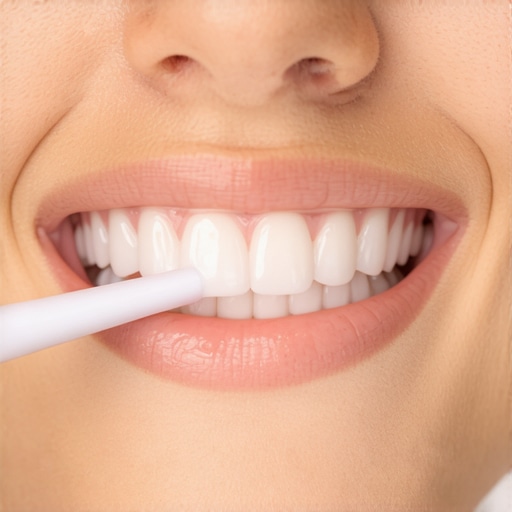
I remember the moment clearly—brushing my teeth before bed, feeling the familiar scrape of the electric toothbrush, only to notice my gums looking a little ‘shorter’ than they had been just a few weeks prior. It was a lightbulb moment for me. The sensation of my gums receding wasn’t just a visual concern; it was an alarm bell, telling me I might be doing more harm than good even with my trusty electric brush. If you’ve experienced similar worries, you’re not alone, and the good news is, there’s hope.
Why Gum Recession from Electric Brushing Can Be More Common Than You Think
Gum recession can sneak up on anyone, especially for those who are diligent about their oral hygiene. While electric toothbrushes are praised for their efficiency, their power can sometimes be a double-edged sword. The key is in how you use them. Early in my journey, I made a crucial mistake—using too much pressure, thinking more force meant cleaner teeth. It’s a mistake I see many making, often without realizing its impact. According to recent studies, aggressive brushing—particularly with powered brushes—can speed up gum recession rather than prevent it. Knowing this was a turning point for me.
So, what really causes gums to recede when using an electric toothbrush, and how can you stop it? That’s what we’re about to explore. I’ll share the insights I’ve gathered and, more importantly, the actionable steps I took to protect my gums while maintaining excellent oral hygiene. If you’re tired of seeing your gums shrink or feeling your teeth getting extra sensitive, keep reading.
Have you faced this problem? I’d love to hear your experiences, but first, let’s delve into understanding how your brushing technique might be the culprit and what you can do about it.
Adjust Your Brushing Pressure Immediately
Stop the aggressive scrubbing! I remember the first time I consciously lightened my grip. I replaced my usual firm grip with a gentle touch, imagining I was polishing a fragile glass. During my next brushing, I noticed my gums felt less sore, and the recession progression slowed. Use your index finger to gently hold the brush; avoid squeezing the handle tightly. This simple adjustment prevents undue pressure that can cause gums to recede.
Use the Correct Brushing Technique
Position your toothbrush at a 45-degree angle toward the gumline. Use short, gentle strokes rather than back-and-forth scrubbing. Think of it like painting delicate eyelashes—precision over force. I once switched to this technique after a dentist visit and immediately felt a difference. Small, circular motions are more effective and safer than vigorous horizontal motions, especially with electric brushes.
Balance Bristle Hardness and Movement
Choose a soft-bristled toothbrush; stiff bristles can be tempting for a thorough clean but damage soft tissues. During a messy morning routine, I used a soft brush at a gentle pace, focusing on a thorough but gentle cleaning. This approach ensured plaque removal without forcing my gums backward. Remember, a good cleaning isn’t about brute force but consistency and technique.
Incorporate Proper Toothbrush Maintenance
Replace your brush or head every 3 months or sooner if bristles fray. I once ignored this rule and used an worn-out head, which required more pressure to clean effectively. Fresh bristles are softer and more efficient, encouraging gentle brushing. Regular replacement supports optimal technique and prevents bacterial buildup.
Integrate Flossing into Your Routine
Flossing gently removes plaque between teeth where a brush can’t reach. During my nightly routine, I replaced aggressive scrubbing with careful flossing, which reduced gum inflammation. Flossing can also signal if you’re brushing too hard—if your gums bleed, dial back the pressure. Proper flossing complements gentle brushing, supporting overall gum health.
Consult Professionals for Personalized Advice
If you’re unsure whether your technique is causing recession, schedule a check-up. A dentist can observe your habits directly and suggest modifications. They might recommend tools like [Invisalign](https://familydentistpro.com/invisalign-innovations-the-future-of-family-dentistry-revealed-at-1137-am) or other modern solutions to align your teeth gently, reducing areas where excessive brushing can damage gums. Regular professional guidance ensures your routine protects your smile.
While most individuals understand the basics of brushing, flossing, and visiting the dentist, there’s a plethora of misconceptions and overlooked nuances that can hinder optimal oral health. One common myth is that a perfect smile depends solely on whitening treatments or veneers, but in reality, foundational issues like bone health and gum condition play a crucial role in maintaining long-term smile vitality. Advanced techniques such as [Invisalign](https://familydentistpro.com/invisalign-innovations-the-future-of-family-dentistry-revealed-at-1137-am) are often misunderstood; many assume aligners are just cosmetic, but they also facilitate better overall oral function and durability, especially when combined with proper periodontal care. It’s a mistake to think that restorative options like crowns are purely aesthetic; as explained in [this guide](https://familydentistpro.com/the-ultimate-guide-to-crowns-for-a-healthier-smile), crowns protect compromised teeth from further damage, ensuring both form and function are preserved. Additionally, family dentistry is often dismissed as routine, yet it incorporates cutting-edge technology and preventive strategies that adapt to all ages, significantly reducing invasive procedures later on. A salient pitfall many fall into is believing that dental work fixes all issues, neglecting daily habits and diet that influence oral ecosystem dynamics. According to recent research published in the Journal of Dental Research, neglecting the subtle interplay between diet, biofilm management, and genetics can undermine even the most advanced dental interventions. For example, over-reliance on mouthwash can sometimes diminish beneficial oral bacteria, as explained in [this article](https://familydentistpro.com/why-your-mouth-tastes-like-copper-after-a-heavy-workout), leading to imbalance and long-term issues. The key to true oral health mastery lies in understanding these nuances and integrating them into your routine. Are you avoiding these pitfalls? Have you ever fallen into this trap? Let me know in the comments.
### How Deep Do You Need to Go to Truly Protect Your Smile?
Most people stop at surface-level care, but true prevention involves understanding how emerging technologies and research influence your dental choices. For instance, the latest advances in [family dentistry](https://familydentistpro.com/family-dentistry-secrets-maintaining-oral-health-with-modern-techniques-at-254-pm) incorporate laser therapy and microbiome analysis, which detect and treat issues before they manifest visibly. This stage of care not only preserves teeth but also enhances overall health, considering the mouth-body connection. Equally, many overlook the importance of customizing dental plans based on genetic predispositions—an area gaining momentum with personalized medicine. Recognizing such nuances can make a substantial difference in your oral health trajectory. Remember, seeking professional advice, such as understanding the longevity differences between crowns and veneers via [this resource](https://familydentistpro.com/crowns-vs-veneers-which-is-better-for-your-smile-cure-at-429-pm), often reveals overlooked benefits tailored to your unique needs.
If you’re serious about keeping your smile vibrant and healthy, embracing these complexities rather than fearing them leads to smarter, more sustainable choices. Have you ever fallen into this trap? Let me know in the comments.Maintaining your oral health over time requires more than just brushing and flossing; it involves using precision tools and adopting effective methods that support long-term results. One essential device I personally rely on is a high-quality electric toothbrush with adjustable pressure settings, such as the **Philips Sonicare ProtectiveClean 6100**. Its gentle yet thorough cleaning mode helps prevent gum recession caused by excessive force, especially when I want a deep clean without risking irritation.
In addition to a reliable toothbrush, I incorporate **interdental brushes** like the **GUM Soft-Picks** into my routine. These are perfect for cleaning tight spaces without damaging delicate gums, a crucial factor for those with crowns or undergoing Invisalign treatment. I use them daily to complement my brushing—an approach I’ve found significantly reduces plaque buildup and maintains healthier gums.
For assessing the health of my restorations, I utilize a **dental mirror with a built-in LED light**. It allows me to inspect hard-to-see areas at home, catching issues early before they develop into costly repairs, aligning with expert advice on proactive maintenance. Regular at-home checks can prolong the lifespan of crowns and implants, delaying the need for replacements.
When it comes to maintaining Invisalign trays, I swear by **antibacterial cleaning tablets** like **Retainer Brite**. Soaking my aligners weekly in these tablets keeps them odor-free and prevents bacterial growth, ensuring consistent comfort and hygiene. Proper maintenance of aligners not only preserves their clarity but also wards off potential gum issues.
Looking ahead, the trend in dental technology points toward **microbiome monitoring devices**—small tools that analyze saliva to inform personalized oral care strategies. As research advances, I predict these innovations will become standard, helping us tailor cleaning routines that optimize long-term results.
### How do I maintain my dental crowns and aligners over time?
The secret lies in regular, targeted cleaning with gentle, proven tools paired with professional check-ups. For crowns, I prefer **soft interdental brushes** and avoiding abrasive toothpaste to prevent wear. Regular visits to my dentist—who might recommend cutting-edge procedures like **laser dentistry** or **advanced remineralization therapies**—keep my restorations healthy and durable. Incorporating the latest technology ensures that my smile stays both beautiful and functional long-term.
If you’re serious about extending the life of your dental work, try integrating a **ultra-soft interdental brush** into your routine and schedule regular check-ups. These simple but effective tools can make a remarkable difference in maintaining your oral health.
Lessons Learned from My Gums’ Wake-Up Call
One of the most valuable insights I gained was the importance of gentle technique over brute force. I used to think scrubbing harder would remove more plaque, but I quickly realized that overstimulation can accelerate issues like gum recession. An unexpected lesson was how personalized dental technology—like custom Invisalign plans and advanced crowns—made a significant difference in my journey. Recognizing these subtleties helped me prolong the health of my restorations and gums, revealing that staying informed is my best ally.
My Go-To Tools and Resources for a Healthy Smile
If you’re eager to elevate your oral care routine, here are some trusted tools I rely on: 1. Philips Sonicare ProtectiveClean 6100 for gentle yet effective brushing. 2. GUM Soft-Picks for safe interdental cleaning that respects sensitive gums. 3. Regular consultations at reputable family dentistry practices that incorporate innovative techniques like laser therapy and microbiome analysis. 4. Comprehensive guides such as The Ultimate Guide to Crowns and insights from Invisalign advancements. These resources and tools have helped me understand how modern dentistry adapts to individual needs, ensuring long-term success.
Embrace Your Dental Journey Today
Your smile is more than just appearance; it reflects your overall health and confidence. By adopting mindful techniques and leveraging innovative dental solutions, you can preserve your oral health for years to come. Remember, the key lies in continual learning and proactive care—don’t wait for issues to become emergencies. Take charge now, explore these options, and share your experiences. Have you ever wondered how specific tools or treatments could transform your dental routine? Let me know below, and let’s build healthier, happier smiles together!