
How to Stop Your Invisalign Trays from Turning Yellow
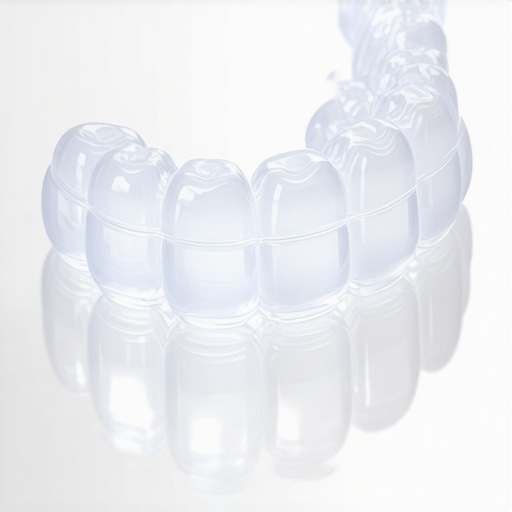
I remember the moment I first noticed my Invisalign trays turning a dull yellow. It was a frustrating surprise—my once-clear aligners now looked like I had been chewing on tea bags all day. That lightbulb moment made me realize I wasn’t just alone in this; many Invisalign wearers face the same issue. In fact, studies show that improper cleaning can lead to staining and discoloration, compromising not just the aesthetic but also the hygiene of your trays. Today, I’ll share how I finally managed to keep my Invisalign trays shining and how you can do the same.
Why Your Invisalign Trays Turn Yellow and What It Means for You
Invisalign trays are designed to be discreet, almost invisible. That clarity is what makes them such an attractive option compared to traditional braces. But over time, exposure to saliva, food particles, and drinks can cause them to stain or turn yellow. Initially, I made the mistake of rinsing my trays only with water—thinking that was enough. But I soon learned that neglecting proper cleaning habits not only affects their appearance but also creates a breeding ground for bacteria, which can lead to bad breath and potential oral health issues.
If you’ve ever wondered whether a little bit of discoloration is harmless or a sign of something worse, you’re not alone. The truth is, yellowing trays can indicate the buildup of plaque and bacteria, just like on your teeth. Regular, thorough cleaning is essential to maintain both the appearance and health benefits of your aligners.
Is It Really Worth the Effort to Keep Invisalign Clear?
Many skeptics question whether spending extra time on cleaning is necessary, especially when busy schedules make it tempting to skip. I was guilty of this at first—thinking a quick rinse would suffice. But neglecting proper cleaning routines can lead to more than just aesthetic issues; it can cause staining that is hard to remove and even affect the fit of your aligners. I learned this the hard way, and I don’t want you to make the same mistake.
To build trust, it’s important to understand that maintaining your aligners isn’t just about aesthetics—it’s about protecting your investment in your smile and your health. When I started paying attention to my cleaning habits, I saw a noticeable difference. My trays stayed clearer, fresher, and I felt more confident wearing them—all thanks to a few simple routines that I’ll dive into next.
Ready to tackle this common problem head-on? Next, I’ll walk you through the steps that finally helped me keep my Invisalign trays spotless and free from that embarrassing yellow hue. Plus, I’ll share some insider tips that dental professionals use to keep aligners their brightest.
Establish a Daily Routine for Brighter Trays
Start with a simple, consistent routine each morning and evening. Remove your aligners and rinse them under lukewarm water to wash away saliva and loose debris. Then, using a soft-bristled toothbrush and a mild, non-abrasive toothpaste, gently brush all surfaces of each tray. Think of it as giving your trays a morning shower, just like you’d do for your teeth. I once neglected this step and ended up with stubborn stains, but once I committed to this routine, my trays stayed noticeably clearer.
Use the Right Cleaning Solutions
Instead of harsh chemicals, opt for approved Invisalign cleaning tablets or a mixture of equal parts water and white vinegar soaked for 15 minutes. Remember, avoid hot water, which can warp the plastic—imagine trying to straighten a plastic spoon versus a metal one; heat damages the shape. During my first attempt, I tried boiling my trays, which warped them beyond wearability. Switching to cold, vinegar-based solutions restored my trays’ clarity without risking damage.
Avoid Staining Culprits
Limit consumption of coffee, tea, red wine, and colored sports drinks while wearing your aligners. These are like colorful paints—they easily stain plastic. I learned this the hard way after sipping iced coffee, then wearing my trays hours later, leaving a dull yellow tint. To prevent this, I removed trays before eating or drinking anything that could stain, and rinsed my mouth thoroughly afterward. Keep in mind, using a straw can minimize direct contact with staining liquids.
Regularly Check and Clean Your Case
Your Invisalign case can harbor bacteria and residue, which can transfer back onto your trays. Clean it weekly with soap and water, and let it air dry. I once carried a dirty case on a trip, and my trays developed an unpleasant smell. A quick scrub and proper drying kept my trays smelling fresh and helped maintain their clarity.
Schedule Professional Cleanings
At your dental checkups, ask your dentist or hygienist to professionally clean and inspect your aligners. They can remove stubborn buildup that home routines can’t tackle. During my last visit, my dentist used ultrasonic cleaning tools to restore my trays’ brightness, reaffirming how professional cleaning complements daily care.
Monitor Your Trays for Wear and Damage
Inspect your aligners daily for cracks, warping, or damage. Damaged trays can trap bacteria and stain more easily. Once, I noticed a small crack after dropping my tray, which I mistakenly ignored. It worsened staining and fit. Replacing damaged trays promptly ensures they remain hygienic and effective, and you can always consult your [family dentist](https://familydentistpro.com/contact-us) for advice.
Many people believe they understand the basics of dental care, but in reality, there’s a wealth of nuanced details that often go unnoticed. For instance, a widespread myth is that all dental crowns are created equal, leading patients to choose inexpensive options that may not offer lasting durability or aesthetic appeal. In contrast, understanding the material differences—like porcelain versus zirconia—can significantly impact the longevity and appearance of your smile. For an in-depth comparison, check out [this guide on crowns versus veneers](https://familydentistpro.com/crowns-vs-veneers-which-is-better-for-your-smile-cure-at-429-pm) to make informed decisions.
A common trap in family dentistry is assuming that regular brushing and flossing alone guarantee flawless oral health. While these habits are essential, neglecting professional cleanings and routine checkups can lead to overlooked issues such as early-stage gum disease or hidden cavities. Interestingly, studies show that even patients with excellent daily habits can develop problems if their dental team isn’t paying attention to subtle signs—highlighting the importance of comprehensive dental care.
When it comes to Invisalign, many still believe it’s just a cosmetic option, but the truth runs deeper. The hidden benefit of Invisalign lies in its ability to correct complex bite issues without the discomfort of traditional braces, which can lead to long-term jaw problems if left untreated. Advanced orthodontic cases require precise planning—so relying solely on over-the-counter aligners or DIY solutions is a perilous mistake. Consulting a specialized orthodontist ensures that your treatment considers bite alignment, facial symmetry, and oral function. For more insights, explore [Invisalign myths debunked](https://familydentistpro.com/invisalign-myths-debunked-what-you-need-to-know-today).
A question that often puzzles even experienced patients is: How do I know when a dental crown requires replacement or repair? The key lies in identifying subtle signs like persistent sensitivity, cracks, or discoloration around the crown’s edges. Ignoring these cues can lead to further decay or crown failure. Regular dental visits and imaging help detect these issues early. For comprehensive advice, see [the ultimate guide to crowns](https://familydentistpro.com/the-ultimate-guide-to-crowns-for-a-healthier-smile).
Making assumptions about dental health can be costly, not just financially but in the potential for compromised oral function or aesthetics. Recognizing hidden benefits, understanding advanced nuances, and avoiding common myths empower you to make better health decisions. Have you ever fallen into this trap? Let me know in the comments and share your experiences! Staying informed is the first step toward maintaining a healthier, more confident smile.Maintaining long-term oral health and ensuring the durability of treatments like crowns and Invisalign requires the right toolkit. Over the years, I’ve refined my approach to incorporate specific equipment and methods that truly make a difference. One essential tool is a **sonic toothbrush**, like the Philips Sonicare series. The gentle yet effective vibrations help remove plaque more thoroughly than manual brushing, especially around crowns and bridges where plaque tends to accumulate in hard-to-reach spots. I’ve personally switched to a sonic brush, and the improvement in my gum health and overall cleanliness has been remarkable.
How do I maintain my dental tools over time?
To keep your sonic brush performing optimally, replace the brush heads every three months and clean the handle with a damp cloth weekly. This prevents bacterial buildup and ensures maximum effectiveness. Another indispensable device is a **water flosser**, such as the Waterpik. For me, it’s a game-changer—especially for cleaning around crowns and orthodontic appliances. The pulsating water penetrates deeper than traditional floss, removing debris from below the gumline without causing discomfort. Regular use can prevent plaque buildup that leads to staining and deterioration of dental restorations.
Staying ahead with modern techniques also means embracing digital solutions. I rely on a **toothbrush UV sanitizer** to disinfect my brushing tools nightly. This small investment helps eliminate residual bacteria and keeps my oral hygiene routine hygienic. To complement these, I use a fluoride rinse made with stabilized fluoride, which strengthens enamel and protects sensitive areas, ensuring longevity for both natural teeth and restorations.
Looking toward the future, advancements like AI-powered dental monitoring apps are set to revolutionize how we track and maintain oral health remotely. These apps can analyze images of your teeth and provide feedback on brushing technique and plaque levels, making home care more personalized and effective.
Make a habit of routine professional assessments
Despite these tools, nothing replaces regular visits to your family dentist. During checkups, professionals can spot early signs of wear or issues with crowns and Invisalign that may not be obvious at home. Professional cleanings and exams are vital for maintaining the integrity of your restorations and preventing complex problems down the road.
If you haven’t already, I highly recommend trying a sonic toothbrush combined with a water flosser—these tools work synergistically to maintain your oral health at the highest level. For tailored advice on long-term maintenance strategies or to explore the latest in dental tech, don’t hesitate to contact your [family dentist](https://familydentistpro.com/contact-us). Remember, proactive care today ensures a healthier, brighter smile tomorrow.
Three Surprising Lessons That Transformed My Invisalign Routine
One experience that stood out was realizing that neglecting even a small stain could lead to stubborn discoloration I couldn’t fix later. It taught me the importance of immediate cleaning, especially after enjoying foods or drinks that tend to stain. Another lightbulb moment was discovering how crucial professional cleanings are. My dentist’s ultrasonic treatment restored my trays’ clarity much better than home remedies could. Lastly, I learned that patience is vital—consistent, gentle care over time keeps trays looking their best, avoiding costly replacements and boosting confidence. These lessons underscore that proper Invisalign maintenance isn’t just aesthetic but essential for long-term oral health.