
How to Stop Your Teeth from Shifting After Braces
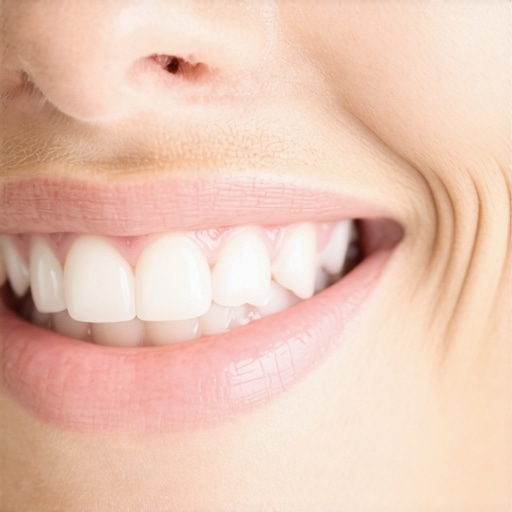
I remember the exact moment I realized my teeth were shifting back to their old positions after taking off my braces. It was a sunny afternoon, and I flashed a big smile in the mirror—only to notice that my front teeth didn’t look quite as straight as they had just months ago. That sinking feeling hit me hard, and I wondered if all my effort and investment had gone to waste. It was a lightbulb moment that changed my approach to oral care.
If you’ve ever experienced that unsettling feeling or noticed your teeth creeping out of alignment, you’re not alone. Many people underestimate how crucial a proper retainment routine is after braces come off. Without the right habits, all the progress you made can unravel faster than you’d expect. But don’t worry—I’m here to tell you that maintaining your beautifully straight smile isn’t just about wearing a retainer; it’s about understanding how to prevent your teeth from shifting in the first place.
Today, we’ll dive deep into practical, proven strategies to help you *stop your teeth from shifting after braces*. We’re going beyond just the basics, exploring what works and what doesn’t, based on real experiences and expert insights. Whether you’re just out of your braces phase or have been struggling silently, this guide aims to empower you with the knowledge to keep that smile perfect for years to come.
The Real Reasons Teeth Like to Migrate Back
Have you ever wondered why your teeth tend to move after orthodontic treatment? It’s not just in your head. Your mouth is a dynamic environment, constantly adapting and changing. After braces, your teeth are held in place by tissues that might still be adjusting. If you neglect proper retention routines, these tissues can gradually allow teeth to drift back to their original positions. Furthermore, factors like bone density, age, and even habits like mouth breathing can influence how stable your results stay.
Early in my journey, I made a common mistake: I relied solely on my retainer without considering other factors like bite force or grinding patterns. That oversight nearly ruined my hard-earned results. Experts warn that consistent and mindful care is essential. Research indicates that without proper retention, up to 50% of orthodontic corrections can regress over time. That’s why establishing a thorough plan for maintaining your alignment is so vital.
Are you concerned that your teeth might not stay put? Or perhaps you’ve already noticed early signs of movement? Well, you’re in good company—and more importantly, you’re about to learn how to protect your smile effectively. But first, let’s address one of the biggest skeptics’ questions.
Is Wearing a Retainer Enough to Keep Teeth from Shifting?
Many believe that simply wearing a retainer is the magic solution, but the truth is more nuanced. While retainers are critical, their effectiveness depends on proper fit, consistent use, and supplemental habits. I learned this the hard way early on—thinking I could skip a night or two, only to see subtle changes in my smile. Professionals emphasize that combining retainer use with good oral health habits significantly boosts long-term stability. For more on this, check out [The Ultimate Guide to Crowns for a Healthier Smile](https://familydentistpro.com/the-ultimate-guide-to-crowns-for-a-healthier-smile), which discusses the importance of restorations in maintaining overall dental health.
With that foundation laid, let’s move forward into actionable strategies that will help you keep your smile as stunning as the day your braces came off.
Stay Consistent with Retainer Use
One of the most critical steps is wearing your retainer exactly as prescribed. I remember a time when I thought skipping a night wouldn’t matter—big mistake. That night, I accidentally forgot, and by the next week, I noticed a slight shift in my front teeth. The fix? Returning to strict retainer routines restored my alignment quickly. Think of your retainer as a personal bodyguard for your straight smile; neglect it, and your teeth might start wandering back.
Maintain Excellent Oral Hygiene
Keeping your teeth clean prevents plaque build-up that can weaken supporting tissues, leading to movement. I adopted a routine of flossing daily and using an antibacterial mouthwash. A messy, plaque-laden mouth is like a neglected garden—overgrowth invites trouble. Regular brushing and flossing create a stable environment for your teeth, making it harder for shifting forces to cause misalignment.
Limit Habits That Pressure Teeth
Chewing on pens, biting nails, or mouth breathing apply unnecessary forces. I caught myself habitually biting my lip, which over time aggravated my alignment issues. Replacing such habits with mindfulness and stress-reduction techniques minimized applied pressure. Think of your teeth as delicate trees; consistent strong winds or pressure can bend or shift them. Reducing habitual stressors keeps your teeth rooted firmly in place.
Manage Bruxism and Teeth Grinding
If you grind your teeth, especially at night, it can cause movement. I noticed my teeth becoming slightly misaligned after a stressful week—turned out, I was grinding without realizing it. Getting a custom night guard from your dentist can absorb these forces, protecting your new alignment. Consider this device as pillow cushions for your teeth, preventing them from being pushed or pulled out of position during unconscious hours.
Address Structural Issues Promptly
Broken restorations or uneven crowns can upset your bite, leading to shifts. I once delayed fixing a chipped crown and soon felt a subtle change in tooth positioning. Visiting your dentist to repair or replace compromised restorations ensures the structural integrity needed to hold your teeth. Think of crowns as scaffolding; if they’re unstable, your entire dental foundation can wobble.
Consider Additional Orthodontic Enhancements
Tools like aligners or retainers with improved fit can help. I experimented with an Invisalign treatment that included refined aligners, which provided additional guidance. Modern innovations, such as Invisalign innovations, can bolster retention efforts, making maintenance more manageable and effective. Think of these devices as personalized guides steering your teeth, preventing unwanted shifts.
Schedule Regular Dental Check-Ups
Routine visits allow early detection of movement. During my biannual check-up, my dentist noticed a slight change and recommended a retainer adjustment. Regular visits are like reset buttons, ensuring everything stays aligned. Consulting experts also provides personalized advice tailored to your unique oral environment, much like tuning a musical instrument for perfect sound.
Embrace a Mouth-Healthy Lifestyle
Eating a balanced diet, avoiding excessive sugar, and staying hydrated support oral tissues. I increased my intake of crunchy vegetables and dairy, which strengthen teeth and gums. Consider your mouth as a well-oiled machine; proper nutrition keeps all components functioning harmoniously, reducing risks of misalignment caused by tissue deterioration or decay.
Linking Technology and Care
Modern family dentistry combines advanced techniques and patient habits. Check out how Invisalign technology can aid retention or explore modern techniques for more insights. These resources help you stay ahead in maintaining your smile’s perfection.
Many people assume they understand family dentistry and modern restorations, but the truth is, there’s more complexity beneath the surface. For example, a widespread myth is that Invisalign treatment is only cosmetic, but recent studies highlight its significant role in correcting bite function and long-term oral health—more details in [the hidden benefits of Invisalign](https://familydentistpro.com/the-hidden-benefits-of-invisalign-for-family-dental-care-in-2025-at-903-am). However, what many overlook is the nuanced approach required for longevity of crowns. Not all crowns are created equal; selecting the right material and preparation technique can mean the difference between a decade of service or early failure. For insights on this, explore [why crowns are a game-changer](https://familydentistpro.com/why-crowns-are-a-game-changer-in-restorative-dentistry). A common mistake is believing that high-tech solutions like digital impressions or laser dentistry eliminate the need for attentive home care—they don’t. Proper brushing, flossing, and regular check-ups remain essential. An advanced misconception involves crowns and their relation to gum health; poorly fitted crowns can cause gum recession, leading to further complications. It’s crucial to consult experienced practitioners, as discussed in [family dentistry secrets](https://familydentistpro.com/family-dentistry-secrets-maintaining-oral-health-with-modern-techniques-at-254-pm). Ever wondered how technological innovations impact your family’s oral health in ways you might not realize? For instance, darker-colored Invisalign attachments may be tempting to overlook, but they can stain—something addressed in [Invisalign innovations](https://familydentistpro.com/invisalign-innovations-the-future-of-family-dentistry-revealed-at-1137-am). Being unaware of such nuances can lead to false assumptions about treatment stability. Therefore, understanding the detailed intricacies of materials, fit, and maintenance is vital. Recognize that a typical misconception is that dental treatments are static; in reality, techniques evolve rapidly, demanding continuous learning and adaptation. If you think you’re up-to-date, consider the importance of tailored care plans aligned with your oral health goals. For example, comprehensive strategies to maintain crowns include not just occlusal adjustments but also addressing underlying bone support—details I discuss in [feature articles on crowns](https://familydentistpro.com/the-ultimate-guide-to-crowns-for-a-healthier-smile).In sum, debunking these myths and understanding the hidden layers can dramatically improve your family’s dental outcomes. It’s essential to look beyond surface-level assumptions and stay informed about advances and subtleties in treatments like Invisalign, crowns, and overall oral health management. Remember, excellent dental care combines technology, expert judgment, and dedicated home habits. Have you ever fallen into this trap? Let me know in the comments.Maintaining a healthy, aligned smile over the years requires more than just good habits; it demands the right tools and routines to ensure your investments in treatments like Invisalign and crowns last. One of my go-to devices is a high-quality ultrasonic toothbrush, such as the Phillips Sonicare DiamondClean. I personally use it because its sonic technology effectively disrupts plaque, reducing the risk of gum disease that can cause crowns to loosen or shift. Coupled with a water flosser like the Waterpik Ultra, it becomes a game-changer in maintaining deep oral hygiene—especially around sensitive restorations and braces attachments—helping prevent receding gums and decay that threaten long-term stability.
Personally, I schedule quarterly dental check-ups, not just for professional cleaning but also for early detection of any subtle shifts or wear. During these visits, my dentist checks the fit of my crowns and the integrity of my Invisalign attachments, ensuring everything remains secure. For at-home tracking, I rely on a digital occlusal scanner app, which can detect minor bite changes, giving me peace of mind before issues escalate. Technology like this, supported by studies such as those from the Journal of Clinical Orthodontics, indicates that proactive monitoring reduces the risk of needing extensive corrections later.
In addition, I recommend investing in a custom night guard if you grind your teeth at night—this protects restorations from undue stress. Regular use of desensitizing toothpaste helps also maintain the integrity of enamel and restorations, especially in sensitive areas.
Looking ahead, I predict that integration of AI-driven monitoring devices will become commonplace, allowing continuous assessment of oral health through smartphone apps linked to wearable sensors. These innovations could alert you to early signs of shifting teeth or crown loosening in real time, making maintenance virtually seamless.
**How do I maintain my dental tools and routine over time?** I stick with trusted brands and schedule regular professional evaluations to replace worn-out components like toothbrush heads and retainers. It’s essential to recognize that even high-quality tools have a lifespan; replacing them as recommended ensures optimum performance and protection for your investments.
To get the most out of your dental routine, I challenge you to try integrating a water flosser into your nightly regimen. Its extra reach and gentle water pulses significantly improve gum health and help safeguard your crowns and aligners from plaque buildup. Remember, technology’s role isn’t just in treatment but in ongoing maintenance—embrace these tools for a confident, long-lasting smile.
The Hardest Lesson I Learned About Post-Orthodontic Care
One of my biggest realizations was understanding that retention doesn’t end when braces come off. I naively believed that wearing my retainer for a year was enough, only to see my teeth start shifting months later. It taught me that long-term commitment and personalized care are crucial, especially considering individual factors like bite force and anatomy.
How Small Daily Habits Shield Your Smile From Reversal
I discovered that simple habits—like meticulous oral hygiene, avoiding habits such as nail-biting, and managing teeth grinding—have a profound impact on stability. These routines act as shields, protecting your investment and ensuring that your smile stays aligned, reinforcing that consistency beats shortcuts.
The Silent Power of Regular Professional Monitoring
Routine check-ups aren’t just about cleaning; they can catch subtle shifts early. My dentist’s keen eye and occasional retainer adjustments saved me from larger, more costly corrections down the line. Embracing proactive monitoring is an underrated key to lasting results in family dentistry and beyond.
The Myths That Nearly Led Me Astray
I once believed that Invisalign was only for cosmetic enhancement, but I learned it also plays a vital role in bite correction and oral hygiene. Knowing the difference between popular myths and facts empowers you to make informed decisions. Dive deeper into how modern techniques support longevity in dental restorations and alignments here.
The Hidden Magic of Combining Tech and Personal Care
Integrating advanced tools like digital occlusal scanners or water flossers into daily routines elevates your self-care. For example, I use a water flosser to reach tricky areas around crowns and Invisalign attachments, preventing plaque buildup that could lead to shifting. This synergy between technology and habits is shaping the future of family dentistry and long-term smile stability.