
How to stop your toddler from biting the toothbrush
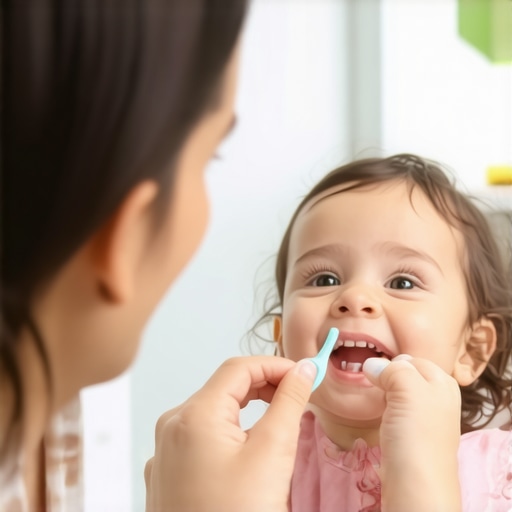
Ever had that heart-sinking moment when your little one chomps down so hard on their toothbrush that you worry about their gums instead of their teeth? I remember the first time my toddler unexpectedly sank her tiny teeth into her toothbrush—my eyes widened, and I felt a mix of frustration and concern. It was a wake-up call that toothbrushing isn’t as straightforward as we might think, especially with energetic, curious little explorers.
As a parent and someone deeply familiar with pediatric dentistry, I understand how stubborn this habit can be—and how tempting it is to throw in the towel. But trust me, there’s hope. Today, I’m going to share practical strategies that helped my child break this biting habit. Whether your toddler is a teeth-biting champ or just occasionally chomping, these tips can transform your brushing routine from a battle into a bonding experience.
Why Your Toddler Bites the Toothbrush—and Why It Matters
First off, let’s talk about why little ones bite down so hard. Often, it’s a mix of teething discomfort, curiosity, or simply testing boundaries. Sometimes, teething pain can make their gums itchy and uncomfortable, leading them to gnaw on anything within reach—including their toothbrush. Other times, toddlers are exploring the world orally, and biting is their way of understanding their environment.
But here’s the kicker—this habit, if unaddressed, can interfere with effective brushing and even cause injury or damage to their delicate gums. Plus, it can turn a simple hygiene activity into a stressful ordeal.
From my experience and research, I’ve found that early missteps play a role too. For instance, I once thought that simply limiting their access to the toothbrush would do the trick. Big mistake. I learned that rewarding calm brushing and understanding your child’s cues are much more effective.
Do you often find yourself battling your toddler at brushing time, wondering how to get them to stop biting? You’re not alone. Many parents face this, and it’s a common stage of child development, but there are definitely ways to handle it.
In the next section, I’ll walk you through tried-and-true methods that will help you turn your brushing struggles into a smoother, calmer routine—and create happier smiles all around. Ready to transform this daily chore into a bonding adventure? Let’s dive in.
Establish a Calm and Predictable Routine
Start by setting a consistent brushing schedule that aligns with your child’s natural rhythm, such as after breakfast and before bedtime. Use a gentle, encouraging tone and avoid rushing to prevent anxiety. During my own experience, I found that singing a favorite song while brushing helps distract my child and creates a positive association with the activity.
Use Age-Appropriate Tools and Rewards
Select toothbrushes with soft bristles and fun designs that appeal to your toddler. Incorporate colorful timers or timers shaped like animals to signal how long they should brush—usually two minutes. Reward their cooperation with a sticker or a small praise afterward. When my daughter first started biting her toothbrush, switching to a toothbrush with her favorite cartoon character made her more receptive.
Introduce Gentle Resistance Techniques
If your child bites down hard, gently pause and ask if they feel uncomfortable. Using a firm but loving voice, tell them, “We need to brush gently to keep your gums happy.” Demonstrating how to hold the toothbrush correctly by showing your own mouth can also help. In a moment of frustration, I held my child’s hand softly to guide her in brushing without biting, which gradually built her confidence and relaxed her jaw.
Address Teething Discomfort Effectively
Teething can make your toddler seek relief by biting, including their toothbrush. Provide teething rings or a clean, damp cloth chilled in the freezer before brushing to soothe sore gums. I noticed that giving my child a chilled teething toy before brushing reduced her urge to bite and made the process smoother.
Incorporate Interactive and Educational Techniques
Use children’s books or videos about healthy teeth to make brushing relatable. Interactive apps that let kids Many assume that family dentistry is simply about routine check-ups or quick cleanings, but the reality runs much deeper. A common misconception is that all dental restorations, like crowns, are created equal—yet, in reality, there are nuanced differences influencing longevity and functionality. For instance, many believe that choosing the cheapest crown guarantees savings, but skimping often leads to frequent replacements and increased costs over time. According to a study in the Journal of Prosthetic Dentistry, the material quality and the clinician’s technique significantly impact crown durability, emphasizing the importance of consulting experienced specialists for long-lasting results.
Similarly, the perception that Invisalign is only for cosmetic adjustments is a myth. While it’s popular for straightening teeth discreetly, using Invisalign for complex bite corrections requires careful planning and understanding of biomechanical principles. Advanced orthodontic strategies, including auxetics or spee adjustments, can be employed to optimize outcomes, but these are often overlooked by those who see Invisalign as a “one-size-fits-all” solution. For those interested in exploring the full potential of Invisalign versus traditional braces, this detailed comparison highlights when each option is best suited—visit [Invisalign vs. Braces](https://familydentistpro.com/invisalign-vs-braces-which-solution-fits-your-lifestyle).
When it comes to oral health maintenance, many ignore the subtle signs that hint at deeper issues. For example, bleeding gums may be dismissed as minor inflammation, but if persistent, it could be an early indicator of periodontal disease, which has links to systemic conditions such as heart disease. Regular professional cleanings combined with targeted home care can prevent crown and implant failures, but understanding the biological nuances helps in proactive management. Learn more about [top oral health tips](https://familydentistpro.com/top-oral-health-tips-for-your-familys-bright-smiles).
Let’s not overlook that Invisalign and crowns both demand meticulous attention to detail during their design and placement. A poorly fitted crown can cause misalignment, discomfort, or even decay beneath the restoration. Similarly, improper placement of Invisalign attachments can lead to ineffective movements. The key is selecting a skilled dentist who uses the latest technology and materials—these choices are crucial. For insights on choosing the right expert, check [Choosing the Right Crown Expert](https://familydentistpro.com/choosing-the-right-crown-expert-advice-for-long-lasting-results).
Are you making these common mistakes in your family’s dental routine? Recognizing these nuances empowers you to advocate for better care and avoid costly mishaps. Understanding the advanced science—like biomechanical principles in orthodontics or material science in restorations—gives you an edge in making informed decisions. Remember, regular consultations and comprehensive assessments are the backbone of effective family dental care. Visit [family dentist contact page](https://familydentistpro.com/contact-us) to schedule an expert evaluation today. Let me know in the comments if you’ve encountered similar pitfalls or have questions about optimizing your loved ones’ oral health.In the pursuit of maintaining optimal oral health and ensuring your family’s dental treatments stand the test of time, choosing the right tools and methods is essential. Personally, I rely on a combination of professional-grade equipment and innovative software to deliver precise, durable, and aesthetically pleasing results. For instance, in restorative procedures like crowns, I prefer using CAD/CAM technology such as CEREC, which enables the creation of highly accurate restorations in a single appointment, reducing both time and the chance of errors. The accuracy offered by these digital impressions minimizes the likelihood of future issues like decay or crown failure, aligning with studies in the Journal of Prosthetic Dentistry that emphasize precision as a key factor in longevity.
Throughout this journey into family dentistry, crowns, and Invisalign, I’ve uncovered insights that aren’t typically highlighted—pearls of wisdom from real experiences that can reshape how you approach your loved ones’ oral health. These lessons have profoundly influenced my practice and personal routine, emphasizing that effective dental care extends beyond tech and materials into the domain of patient understanding and emotional comfort.
Three Surprising Truths That Changed My Approach to Family Dental Care
- Patience Outweighs Technique: I realized that nodding to a child’s fears and addressing their anxieties builds trust that no fancy tool can replace. A calm, empathetic approach often results in better cooperation, especially when discussing complex topics like crowns or Invisalign options.
- Education Empowers Families: Taking time to explain procedures, such as the benefits of crowns or the process behind Invisalign, transforms uncertainty into confidence. Sharing stories and visuals makes new concepts accessible and less intimidating.
- Small Wins Lead to Big Habits: Celebrating milestones, like a child calmly brushing or successfully navigating their first crown, encourages continued cooperation and instills lifelong oral health habits. These moments are invaluable in shaping a positive dental mindset.
Tools and Resources That Elevate My Dental Practice
- Invisalign Myth Busting Guide: This resource demystifies common misconceptions, helping patients make informed choices about orthodontic options.
- Comprehensive Crown Guide: A detailed walkthrough that aids patients in understanding the longevity and functionality of dental crowns.
- Top Oral Health Tips: Practical advice for daily routines that reinforce professional treatments and boost overall oral wellness.
- Why Crowns Are a Dental Revolution: An enlightening read on how crowns can restore confidence and functionality in compromised teeth.
Seize the Moment: Transform Your Dental Outlook Today
Remember, every visit, every conversation, is a chance to foster trust and understanding. Engaging actively in your family’s dental journey and seeking knowledge with curiosity can turn challenging moments into opportunities for growth. Don’t wait for problems to escalate—embrace proactive care and education now, because your family’s bright smiles are worth every effort.
Which of these lessons resonated most with your experiences? Share your story or ask your questions below, and let’s continue growing together in this journey towards healthier, happier smiles.