
How to stop your toddler from swallowing a mouthful of toothpaste
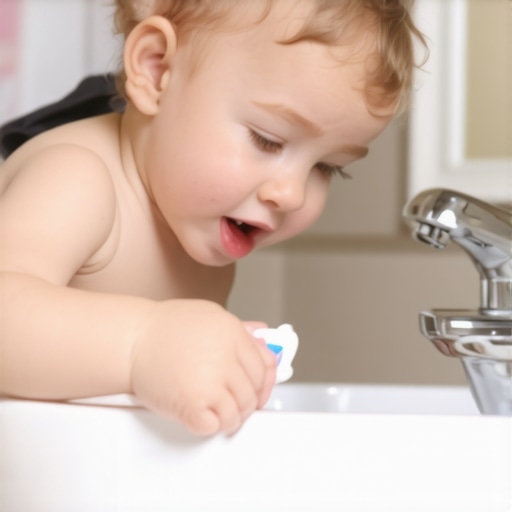
Last Tuesday, I stood in the bathroom, frozen, watching my three-year-old, Leo, squeeze a long, glistening ribbon of strawberry-flavored toothpaste directly into his mouth. He didn’t even use the brush. He just sucked it down like a gourmet treat. My heart skipped a beat. Was he going to get sick? I’ve spent years obsessing over oral health, yet here I was, failing at the most basic step of the nightly routine. If you’ve ever felt that spike of adrenaline when your child treats fluoride like a dessert, believe me, you are not alone.
The Day I Realized My Kid Thought Toothpaste Was a Snack
It’s a classic parental trap. We buy the training pastes with the cartoon characters and the flavor of a summer fruit salad, and then we act shocked when they don’t want to rinse it away. Early on, I made a huge mistake: I let Leo pick the most delicious-looking flavor on the shelf. I thought it would make him excited about family dentistry habits. Instead, it just turned the toothbrush into a lollipop. I also used way too much paste—a big, fat pea-sized glob that was way more than his little system needed. We want them to have a healthy smile, maybe even avoid needing invisalign or crowns down the road, but we can’t do that if they’re eating the cleaning supplies.
Is a little bit of swallowed paste actually dangerous?
This is the fear that keeps us up at night. We see the warning labels on the back of the tube and start imagining the worst. However, the American Academy of Pediatrics notes that for kids under three, you really only need a smear the size of a grain of rice. Swallowing that tiny amount isn’t a medical emergency, but making it a habit can lead to mild fluorosis, which often explains why your toddler has white spots on their front teeth. Knowing how to tell if your toddler is ready for fluoride toothpaste is the first real step in moving past this messy, stressful phase. We are going to cover how to transition from gulping to spitting without the nightly power struggle. Have you ever caught your little one treating the tube like a juice box? [image placeholder] I’d love to hear your own bathroom battle stories as we dive into the solution.The first rule of thumb is to treat fluoride like a prescription rather than a topping. Think of fluoride like a high-performance engine additive; a tiny amount makes the machine run smoothly, but dump the whole bottle in and you are looking at a messy breakdown. To protect those growing pearly whites, you must implement the rice-grain rule immediately. When I stopped letting Leo see the tube, I regained control of the dosage. I started applying a smear so thin it was almost translucent against the bristles. This is one of the most practical oral health tips for your family because it limits the amount they can actually swallow while still providing the necessary mineral protection for their enamel.
The Tiny Smear That Saves the Day
Many parents believe they need a full ribbon of paste to get a deep clean, but for a toddler, that is overkill. Using too much is often why your toddler has white spots on their front teeth, a condition known as mild fluorosis. By switching to a smear the size of a single grain of rice, you ensure that even if they do gulp it down, the systemic intake remains negligible. This tiny adjustment is a core component of family dentistry secrets that many pediatric experts wish parents would adopt sooner.
Swap the Dessert Flavors for Something Boring
If your child thinks their toothpaste is a strawberry sundae, they are going to treat it like one. I realized that the ‘sparkle-berry’ flavor I bought Leo was essentially a reward for swallowing. I transitioned him to a very mild, almost flavorless mint. The first night, he made a face like he’d just bitten a lemon, but the sucking stopped instantly. When the toothpaste stopped tasting like candy, it started being treated like a tool. Instead of the usual ‘sugar bug’ narrative, I used better ways to explain cavities, focusing on how the minty paste was a ‘shield’ for his teeth that worked best when it stayed on the surface, not in his tummy.
Turn the Bathroom into a Training Ground
Training a child to spit is like teaching them to whistle; it requires a specific set of muscles they haven’t quite mastered yet. I tried the ‘Copycat Game’ one Tuesday evening. I stood over the sink, took a tiny sip of water, and made the loudest, most dramatic ‘Puh!’ sound I could manage. Leo was mesmerized. He tried it, and while he mostly succeeded in spitting directly onto my favorite slippers, the internal ‘click’ happened. He finally understood the concept of ejecting something from his mouth on command. 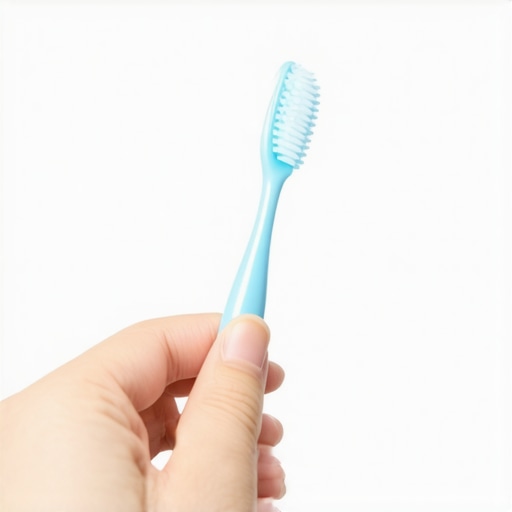
The Dry Brush Strategy
One of the best ways to manage a toothpaste-eating toddler is to start with a dry brush. Use the brush with just water first to do the heavy lifting of removing plaque and food particles. Only at the very end of the session should you add that tiny smear of fluoride paste. This reduces the time the ‘tasty’ stuff is in their mouth, giving them less opportunity to swallow. It’s a simple shift that mirrors the trick to keeping your toddler still—keep the focus on the action, not the flavor.
Wait for the Physical Signs of Spitting Readiness
You can’t force a physiological milestone. Before you worry about moving to a pea-sized amount, look for specific markers. Can they blow a bubble with a bubble wand? Can they blow out a candle? These actions use the same oral motor skills required to spit effectively. Knowing how to tell if your toddler is ready for fluoride toothpaste in larger quantities depends entirely on these coordination milestones. Until then, stay the course with the smear and the boring flavors.Moving past the ‘toddler-swallowing-toothpaste’ phase is a relief, but as we get deeper into the world of long-term dental care, the stakes get higher and the myths get more convincing. One of the biggest misconceptions I see—and one I fell for myself—is the idea that modern restorations like crowns are ‘set it and forget it’ solutions. I used to think that once a tooth was capped, it was essentially encased in a suit of indestructible armor. However, the nuance that most people miss is that the margin where the crown meets your natural tooth is actually more vulnerable to decay than a healthy, untouched tooth. This is exactly why crowns are a game changer in restorative dentistry, but they require even more meticulous care than your original enamel.
The Common Trap of Thinking Crowns Are Invincible
If you treat a crown like it’s invincible, you’re walking into a classic dental trap. Without the right technique, bacteria can seep under that expensive porcelain, leading to a ‘hidden’ cavity that you won’t even feel until it’s too late. It is vital to focus on choosing the right crown expert advice to ensure the fit is precise enough to prevent this leakage. A study published in the Journal of Esthetic and Restorative Dentistry highlights that the ‘biological seal’ at the gum line is the single most important factor for restoration longevity, far outweighing the material of the crown itself.
Does Invisalign Actually Work for Serious Bite Correction?
Another sophisticated myth involves clear aligners. Many adults believe that Invisalign is purely cosmetic or only for people who had braces as kids and forgot to wear their retainers. In reality, how Invisalign transforms family dentistry in 2025 is through advanced AI-driven mapping that can correct complex malocclusions once thought to be ‘braces only’ territory. If you’ve been told you aren’t a candidate, it might be worth busting these common misconceptions with a provider who uses the latest 3D CBCT scans. 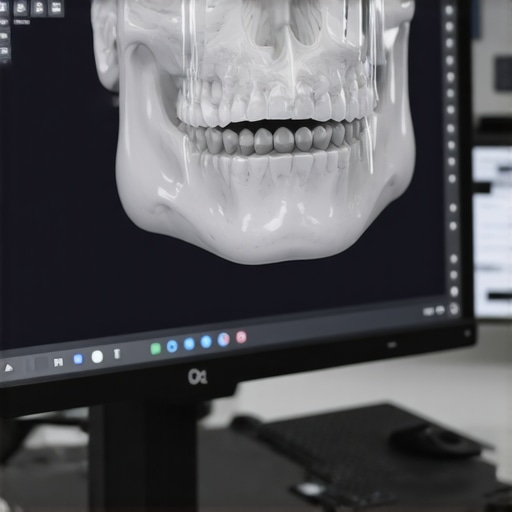
Why Your New Crown Might Feel a Little Too Tall
Have you ever had a filling or a crown placed and felt like your jaw just wouldn’t close correctly? This is the ‘Oops’ factor that many patients ignore, thinking they will ‘just get used to it.’ If your bite feels slightly off, it’s not just a nuisance—it can lead to significant jaw pain or even a cracked restoration. Knowing what to do when your crown feels taller than your other teeth is essential. A simple adjustment of just a few microns can be the difference between a successful procedure and a chronic headache. We often assume more force or more product equals better results, but in family dentistry secrets, the mantra is always ‘precision over power.’ Whether it is the amount of toothpaste on a toddler’s brush or the micro-alignment of an adult’s bite, the details are where the real health happens. Have you ever fallen into the trap of thinking a dental fix was a permanent, maintenance-free shield? Let me know in the comments.When I finally moved past the toddler-toothpaste-swallowing drama, I realized my own adult routine was stuck in the dark ages. I was still using the same manual scrubbing techniques I learned in grade school, even though my mouth now contained much more complex dental work. If you have any restorations, you quickly learn that standard brushing just doesn’t cut it. To keep things working, I had to upgrade my toolkit.
The Gear That Changed My Morning Routine
I used to think water flossers were just expensive toys for people who hated string, but I was wrong. For anyone with tight contacts or restorations, it is the only way to clear out the biofilm that a brush can’t reach. My biggest hurdle was the learning curve; I used to spray my mirror more than my teeth. However, mastering the trick to using a water flosser without making a total mess changed everything. I now use it every night, specifically targeting the margins of my dental work where plaque likes to hide. For those in the middle of a procedure, knowing how to floss around a temporary crown without pulling it off is equally vital to ensure you don’t end up back in the chair for an emergency repair.
How do I keep my dental work looking new for decades?
Maintenance isn’t just about cleaning; it’s about the specific chemistry you use. For my Invisalign trays and my permanent retainers, I’ve moved away from standard toothpaste, which can be too abrasive and creates micro-scratches that trap bacteria. Instead, I use a dedicated ultrasonic cleaner and pH-balanced crystals. Even when I’m on the road, I make sure to follow the best way to travel with aligner cleaners in your carry-on to avoid that cloudy, yellowish buildup that ruins the ‘invisible’ part of the aligner experience. Research in the International Journal of Periodontics & Restorative Dentistry suggests that mechanical biofilm disruption combined with non-abrasive chemical cleaning is the gold standard for extending the life of porcelain and resin materials. 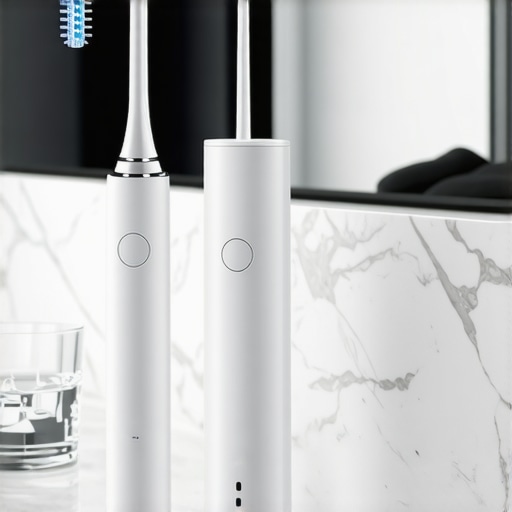
A Look into the Future of At-Home Care
We are quickly approaching an era where our toothbrushes will do more than just vibrate. I predict that within the next five years, AI-integrated intraoral cameras will be standard in family bathrooms. These tools will sync with your phone to highlight exactly where you are missing spots, effectively providing a daily check-up. This shift is part of how Invisalign transforms family dentistry in 2025, moving us toward a model of constant, proactive monitoring rather than waiting for a toothache to strike. By embracing family dentistry trends early, we can transition from ‘repair mode’ to ‘preservation mode.’ If you want to see a real difference in your next check-up, I challenge you to try the water flosser technique I mentioned for just seven days—it is the single best way to protect the ultimate guide to crowns and your natural enamel alike.
The Hardest Lessons I Learned Managing My Family’s Dental Health
One thing nobody tells you is that consistency beats intensity every single time. I used to think a vigorous scrub once a day was enough, but I learned that the chemistry of your mouth changes constantly. For toddlers, the goal isn’t just getting teeth clean; it is preventing systemic fluoride intake by mastering the spit. For adults with restorative dentistry, the goal is protecting the micro-seal at the gum line, not just the porcelain surface. Another lightbulb moment was realizing that modern dental secrets aren’t about expensive products, but about precise timing—like clearing away biofilm before it has the chance to calcify. Finally, remember that your child’s behavior in the bathroom is often a mirror of your own; if you treat oral care like a chore, they will too. When I started treating it like a high-tech maintenance ritual, Leo’s attitude shifted from treating toothpaste like a snack to treating it like a tool.
The Bare-Bones Toolkit for a Maintenance-Free Mouth
- A Low-Abrasive Regimen: If you are wearing aligners or have veneers, skip the whitening pastes that act like sandpaper. I always recommend checking how Invisalign transforms family dentistry and adopting the non-abrasive cleaning crystals instead.
- The Mess-Free Water Flosser: Seriously, do not give up on this tool. Once you learn the trick to using a water flosser by leaning low over the sink, it becomes the most satisfying part of your nightly routine.
- Portable Protection: Whether it is for a teen’s retainer or your own adult trays, learn the best way to travel with aligner cleaners so you never have to choose between a clean smile and a busy travel schedule.
Take the Pressure Off and Start Small Today
Dental health should never feel like a series of emergencies and expensive repairs. It is a long-term investment in your quality of life. By implementing these oral health tips for your family, you are building a foundation that prevents the anxiety of the dental chair. Whether you are teaching a three-year-old to spit or maintaining a precision-fit crown, remember that small, daily corrections are what lead to a lifetime of confidence. You have the tools and the knowledge—now it is just about the practice. Have you ever had a lightbulb moment where you realized your old brushing habits were actually doing more harm than good? Let me know in the comments below!