
How to tell if that bump on your gum is a canker sore or an abscess
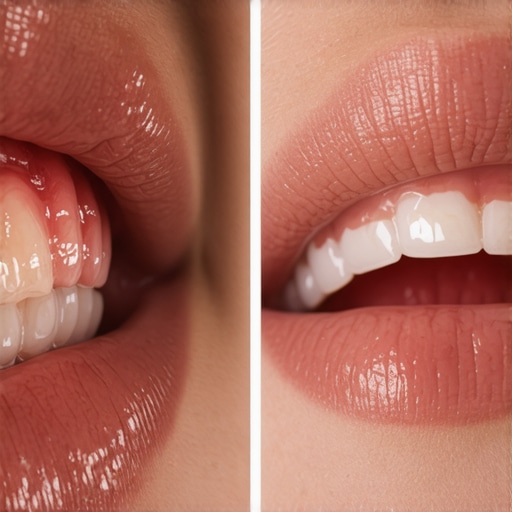
I remember the first time I noticed a small bump on my gum after a long week of Invisalign adjustments. It wasn’t painful at first, but it was enough to make me worry. Had I damaged my gum? Was it a sign of something more serious? That moment of uncertainty can turn a regular discomfort into a little panic, especially when you’re juggling oral health concerns between family dentist visits, crowns, and orthodontic treatments. I’ve been there, and honestly, I learned a few lessons the hard way.
Why Spotting the Difference Is More Important Than You Think
When that bump appears, it’s tempting to ignore it or dismiss it as a minor annoyance. But in reality, distinguishing whether it’s a harmless canker sore or a more serious abscess can save you from unnecessary pain, costly treatments, or even more serious health issues. Canker sores are common and tend to heal on their own, but an abscess is an infection that needs prompt attention. Think of it like a small fire that could smolder into something bigger if you don’t catch it early. Early identification helps you decide whether to monitor the situation or book an urgent appointment—something I learned after making a crucial early mistake that almost cost me more than a simple dental visit.
Could That Little Bump Actually Be Dangerous?
One thing I underestimated early on was how sneaky abscesses can be. They often start as small, seemingly innocuous bumps—much like a pesky canker sore. However, while canker sores are typically shallow, grayish ulcers caused by stress, minor injuries, or certain foods, abscesses tend to be more tender, swollen, and sometimes fluctuate in size. Did you know that a dental abscess can develop from untreated cavities or gum disease, leading to a pocket of pus collecting in the tissue? The stakes are higher than you think, especially if you have crowns, orthodontics, or other dental work since those can complicate infection management. It’s a mistake I made early on—assuming every bump was just a sore—until it worsened and required antibiotics, not to mention a little panic about how it would affect my upcoming family trip.
If you’ve recently noticed a bump that just doesn’t seem to go away or starts to hurt more, you’re not alone. Often, these bumps are signs that your oral health needs a closer look. Knowing the difference between a canker sore and an abscess isn’t just academic; it’s a critical part of maintaining your smile and overall health. Ready to learn how to identify each one properly? Stay with me, because I’ll walk you through straightforward steps to tell them apart and what to do next—so you’re not left guessing when that unexpected bump shows up on your gums.
Assess the Nature of Your Gum Bump Quickly
When you notice a bump on your gum, don’t ignore it. First, look closely—use a mirror and good lighting to examine if it’s small and shallow like a canker sore or swollen and tender like an abscess. Remember, a small, painless bump that heals in a week is usually benign, but persistent or painful bumps deserve attention. For example, I once ignored a bump that subtly grew over two weeks; it turned out to be an abscess needing antibiotics. Act promptly to prevent complications.
Apply Immediate Care Before Visiting Your Dentist
Rinse with Saltwater
Mix half a teaspoon of salt in warm water, swish gently, and spit. This reduces bacteria and decreases inflammation. I found this helpful when I first noticed mild swelling—swishing several times daily kept discomfort at bay until I scheduled an appointment.
Maintain Soft Diet and Oral Hygiene
Avoid crunchy or spicy foods that irritate the bump. Use a soft-bristled toothbrush to clean gently around the area, avoiding excessive pressure. Once, I accidentally caused more irritation by brushing too hard, delaying healing. Gentle care is key.
Identify Symptoms That Signal Urgent Attention
Watch for Increasing Pain or Swelling
If the bump becomes more tender, larger, or impossible to ignore, it’s a sign you need to see your dentist promptly. Also, if you notice pus, fever, or a foul taste, these signs indicate infection spreading and require immediate care. I learned that ignoring worsening symptoms led to a root canal instead of a simple treatment.
Check for Associated Dental Issues
Is the bump near a recent filling, crown, or orthodontic work? Damaged restorations or orthodontic brackets can trap food or cause irritations that mimic abscesses. Ensure regular dental check-ups to catch these problems early, especially if you have braces or crowns that can complicate infections. I once misattributed a bump to a minor sore until my dentist found an underlying cavity requiring restoration.
Steps to Differentiate Between Sore Types
Compare Pain and Duration
Canker sores usually hurt for a few days and heal independently, while abscesses tend to persist, throb, and worsen. Keep a note of how long the bump lasts and its pain level—this can guide your urgency.
Observe Color and Size Changes
Red, swollen bumps that grow or change shape are more suspect. A canker sore appears as a grayish ulcer, whereas an abscess may have a white or yellow center with surrounding redness. These visual cues helped me decide when to seek professional help instead of trying to treat at home.
Know When to Seek Professional Help Immediately
If symptoms escalate—especially severe pain, spreading swelling, fever, or difficulty swallowing or opening your mouth—don’t delay. Contact your family dentist or visit an emergency dental clinic. Regular dental visits can prevent many gum issues from escalating, so schedule periodic check-ups. To find a trusted professional, visit this page for local options.
Prevent Future Gum Bumps with Consistent Care
Regular brushing, flossing, and avoiding irritants like tobacco or overly spicy foods can reduce bump occurrences. For comprehensive tips on maintaining oral health, check out these oral health tips. Additionally, if you have crowns or Invisalign, proper maintenance minimizes the risk of complications. Visit this guide to learn about Invisalign care.
While many believe they understand the basics of Invisalign, oral health, and crowns, the reality is often more nuanced. One common misconception is that aligners like Invisalign are a straightforward, hands-off solution; in truth, their success depends heavily on patient discipline and proper maintenance, as highlighted in [Invisalign myths debunked](https://familydentistpro.com/invisalign-myths-debunked-what-you-need-to-know-today).
Another trap many fall into is underestimating the importance of comprehensive oral health beyond just brushing regularly. For example, neglecting gum health or overlooked crown longevity can lead to costly complications down the line. The subtle nuances, such as how crowns interact with adjacent teeth or how certain family practices impact overall oral wellness, are often ignored, resulting in advanced issues that could have been prevented with a deeper understanding.
### Advanced mistake: Overlooking the importance of personalized care
Many assume that one-size-fits-all solutions work, but personalized treatment plans are vital, especially in complex cases involving crowns or orthodontic devices. For instance, improper crown selection without considering bite dynamics can cause wear or misalignment. As discussed in [Choosing the right crown](https://familydentistpro.com/choosing-the-right-crown-expert-advice-for-long-lasting-results), experts emphasize evaluating individual bite and facial structure—an often overlooked step. Failing to heed these nuances can result in early failure or discomfort, turning what seems like minor issues into major procedures.
What most people miss is the critical role of ongoing maintenance and awareness. A common myth is that once a crown is placed or Invisalign treatment is complete, the work is done. In reality, continuous care, regular check-ups, and understanding the subtle signs of wear or infection are essential for long-term success. Ignorance of these factors can lead to complications like gum recession or crown decay, which are preventable with proper knowledge and vigilance.
For comprehensive tips on maintaining your smile and avoiding these pitfalls, visit [top oral health tips](https://familydentistpro.com/top-oral-health-tips-for-your-familys-bright-smiles) and stay informed—because your oral health deserves expert attention. Have you ever fallen into this trap? Let me know in the comments.
Keeping It Working: Tools That Make a Difference
Maintaining your oral health and the effectiveness of treatments like Invisalign or crowns requires more than just regular brushing. The right tools can elevate your routine, help catch issues early, and ensure long-term success. With advancements in dental technology, I personally rely on a few key instruments that have proven invaluable in my practice and at-home care. These aren’t generic tips; they’re specific tools I trust to keep smiles healthy and treatments effective.
First, I swear by ultrasonic toothbrushes, like the Philips Sonicare DiamondClean. Unlike manual brushes, they provide consistent, gentle sonic vibrations that remove plaque more effectively, especially around crowns and orthodontic attachments. Plus, their timers ensure you brush for the ideal two minutes, which is crucial for ongoing oral health. For anyone serious about long-term success, investing in a high-quality electric toothbrush is non-negotiable.
Next, interdental cleaning tools are a must. I recommend using pre-threaded, disposable water flossers like the Water Floss, which combines gentle water pulsations with flossing action. They are excellent for cleaning around Invisalign aligners and crowns, where traditional floss might be tricky to maneuver. In my experience, this continuous cleaning reduces gum inflammation and helps detect early signs of issues like minor leaks or infections.
Additionally, I incorporate a cordless, rechargeable UV sanitizer (e.g., the SteriShoe, repurposed for toothbrushes) into my routine. Regular decontamination of toothbrushes and retainer cases minimizes bacterial buildup, especially for families with multiple members. A small investment here pays off by preventing bacteria-related problems that can compromise long-term oral health.
For monitoring and maintaining Invisalign trays, I use a clear, silicone-based cleaning gel such as Invisalign Cleaning Crystals. Not only do they disinfect effectively, but they also keep trays free from stains and odors—like the common chlorine smell reported in some cases. Clear, bacteria-free trays are essential for maximizing treatment efficacy and avoiding complications like bacterial buildup near attachments or in the tray edges. Regularly cleaning trays with specialized products ensures they stay transparent and hygiene-compliant over time.
On the software side, digital tracking apps like SmileSnap or Dental Monitoring are game-changers. They allow quick remote check-ins with your dentist, reducing unnecessary visits and catching issues early. I rely on these tools to promptly address concerns such as loose crowns or bonding issues, ensuring ongoing treatment integrity. These platforms predict potential complications before they turn into costly repairs, making long-term maintenance more manageable.
How do I keep my Invisalign and crowns functioning well over time?
Consistent use of specialized tools, like high-quality electric toothbrushes, interdental devices, and tray disinfectants, plays a monumental role. Regular professional check-ups combined with at-home tech ensure you spot problems early and address them swiftly. For more comprehensive advice, see this guide.
Looking ahead, I believe that the integration of smart dental devices and AI-powered monitoring will make maintaining oral health even more accessible and predictive. Trends suggest that future tools will not only help catch issues early but also provide personalized care plans and real-time feedback, radically improving long-term outcomes.
To get started, I highly recommend trying a high-end ultrasonic toothbrush combined with a dedicated tray cleaner. This simple step can significantly reduce your risk of complications and make your Invisalign journey smoother. Remember, the key to success is consistent, precise maintenance—tools help you stay on track and be proactive rather than reactive.
For more expert insights into choosing the right equipment, visit this page.
The Hidden Lessons That Changed My Approach to Smile Care
One of the most profound lessons I discovered was that early detection and understanding your body’s signals are invaluable—waiting too long can turn small issues into costly treatments. For example, recognizing subtle changes in gum texture or color can prevent infections from escalating. Another insight was that personalized care truly makes a difference; generic advice often doesn’t fit complex cases involving crowns or Invisalign. Finally, I realized that continuous education, like staying updated with new techniques or tools, empowers patients and practitioners alike to take proactive steps, ensuring long-term oral health and confidence.
Tools and Resources That Deepen My Dental Confidence
My essential toolkit includes a high-quality ultrasonic toothbrush like the Philips Sonicare DiamondClean, which ensures thorough cleaning around crowns and aligners. I also trust interdental water flossers such as Water Floss for their gentle yet effective debris removal. For disinfecting trays and retainers, I rely on specialized cleaning crystals that keep everything bacteria-free. Additionally, digital platforms like SmileSnap facilitate quick remote check-ins, making ongoing care more manageable. These tools, trusted through personal experience, help me maintain a healthy, confident smile and inform my choices for my family’s dental health.
Your Next Step Toward a Bright Smile
Remember, your journey with Invisalign, crowns, or family dentistry is unique, and every bump or question is a chance to learn and improve. Embrace the process with curiosity and proactive care, and don’t hesitate to consult trusted resources or your dentist when in doubt. Your smile is a lifelong investment—nurture it with knowledge, the right tools, and confidence. What small adjustment have you made recently that made a big difference in your oral health? Share below and let’s grow together in this journey toward healthier smiles.