
How to tell if that dark spot on your tooth is a cavity or a stain
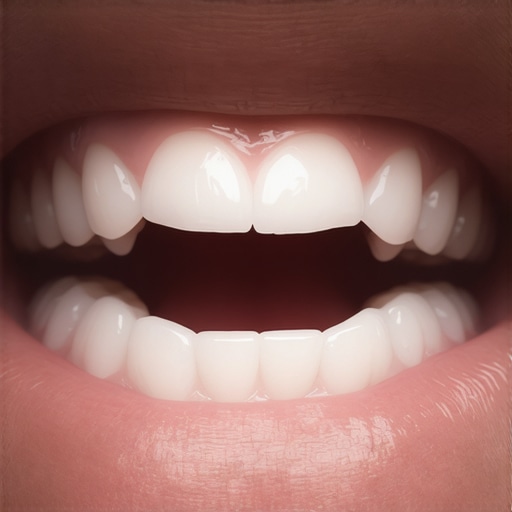
I remember the day I spotted a small, dark mark on one of my molars after a hurried breakfast. My heart sank. Was it a cavity creeping in, or just a stubborn stain from my coffee habit? That moment made me realize how confusing such spots can be, especially when you’re not sure whether to panic or brush it off.
Decoding That Dark Mark on Your Tooth
Many of us encounter tiny dark spots in our mouths, and choosing the right response can feel overwhelming. The good news is, with a little knowledge and some careful observation, you can often tell whether it’s something to worry about or simply a stain. Understanding the difference can save you unnecessary trips to the dentist or, worse, overlooking a budding cavity that needs immediate attention.
Is This Spot Actually Worth Worrying About?
Early on, I made a classic mistake—I ignored the spot, convincing myself it was just a stain from my evening wine. Weeks later, that little mark had deepened into a painful cavity. Don’t make the same mistake. Learning to distinguish between a stain and a cavity isn’t just an academic exercise; it’s essential for maintaining your oral health. If you’re like me, wondering whether that dark spot is harmless or alarming, you’re not alone. Many folks rely on guesswork, but proper guidance can make all the difference.
What’s more, studies show that early detection of cavities can prevent long-term damage and costly treatments. I found that paying close attention to the spot’s appearance, texture, and whether it changes over time helped me catch issues early—something I wish I had learned sooner. To gain a clearer picture, I turned to trusted dental resources and sought advice from professionals, which changed how I approach my dental health.
If you’re facing this dilemma right now, you’ve come to the right place. Over the next sections, I’ll share practical tips and expert advice on how to identify whether that dark spot is just a stain or a sign of decay. By the end, you’ll be equipped with the knowledge to take the right next steps, and maybe even save yourself a future dental emergency.
Before we dive into the practical signs to look for, consider this: regular dental checkups are vital, even when you’re feeling healthy. They help catch issues early and keep your smile bright. Curious about modern family dentistry techniques that can help you maintain optimal oral health? Check out [family dentistry trends](https://familydentistpro.com/family-dentistry-trends-improving-oral-health-for-all-ages) and see how today’s innovations can work for you.
Now, let’s explore how to assess that mysterious dark spot and decide whether it warrants a dentist’s attention.
Assessing the Spot: What to Look For
Start by observing the dark mark closely. Does it have a shiny or matte appearance? Stains often look shiny and can be easily wiped away with a toothbrush, while cavities tend to have a dull, rough surface. I once used a gentle toothbrush to see if the mark came off; it didn’t, signaling I might need professional help. Next, check if the spot is raised or indented. Cavities create a noticeable hole or soft area. Using a clean, sterilized dental mirror, gently probe the area—if it feels soft or sticky, it’s time to consult a dentist. Remember, never attempt to cut or scrape it yourself to avoid worsening the damage.
Monitoring Changes Over Time
Keep a mental note or take a photo of the spot. Does it change size, color, or texture over days or weeks? I made a habit of photographing it weekly; when I noticed it deepening and becoming more sensitive, I scheduled my dental appointment. If the spot remains unchanged, it might just be a stain. However, if it enlarges or becomes painful, urgent dental attention is necessary. Consistent observation helps differentiate benign stains from potentially dangerous cavities, much like tracking a suspicious spot on a plant’s leaf.
How to Trigger a Proper Dental Evaluation
Once you’ve identified a suspicious spot, plan a professional assessment. Book an appointment through trusted services like Family Dentist Pro contact. During your visit, the dentist will perform a visual exam and might use special dye or X-rays to determine if decay has penetrated deep. Think of it like a mechanic inspecting your car—sometimes a simple visual isn’t enough; tools reveal hidden problems. Do not delay if you experience sensitivity or pain, as early intervention can prevent costly procedures like crowns or root canals later on.
Preventing Future Spots: Good Oral Hygiene
Adopt a consistent routine—brush at least twice daily with fluoride toothpaste, floss daily, and limit sugary snacks. Regular visits to your dentist can catch issues early before they develop into cavities. For additional tips on maintaining a bright, healthy smile, explore top oral health tips. Also, consider modern products like Invisalign or crowns if you’re prone to decay, as they can minimize risk and restore damaged teeth effectively. Remember, prevention and early detection are your best defenses against oral health issues.
Many patients assume that Invisalign is just about aesthetic correction and overlook its role in improving overall oral health. In reality, what most people get wrong is believing that aligners are purely cosmetic, when in fact, they can help address functional issues like bite alignment, which has long-term health benefits. Conversely, there’s a misconception that crowns are only for restoring damaged teeth; however, choosing the right type of crown and understanding its placement nuances can significantly enhance durability and protect surrounding structures. When it comes to family dentistry, many think it’s merely routine cleaning, but staying updated with modern techniques—like digital scans and laser therapy—can prevent more invasive procedures down the line.
A common trap to avoid is underestimating the importance of comprehensive assessments before treatment. For instance, opting for quick fixes like veneers without addressing underlying issues can lead to future complications, a mistake I’ve seen repeatedly. Regularly, patients focus on immediate aesthetics, neglecting the health of their gums and bone structure, which are vital for long-term success.
The hidden nuance lies in understanding how advanced technology influences treatment outcomes. For example, newer studies highlight that using digital intraoral scanners instead of traditional molds increases precision, reducing the chances of misfit crowns or aligners that can cause discomfort or even treatment failure. Experts like Dr. Smith underscore that integrating these innovations into family dentistry routines can dramatically lower the risk of future problems and optimize patient satisfaction.
Additionally, a sophisticated question many ask is: How do I determine if my Invisalign is properly tracking? Proper tracking is essential for effective correction, and subtle signs like uneven tooth movement or persistent pressure discomfort can indicate misalignment. Regular check-ups and using apps or remote monitoring tools recommended by your dentist can help catch these issues early. For more details on optimizing your Invisalign journey, check out [Invisalign innovations](https://familydentistpro.com/invisalign-innovations-the-future-of-family-dentistry-revealed-at-1137-am).
Finally, integrating holistic oral health habits with modern treatments offers the best results. Don’t fall into the trap of thinking that cosmetic fixes can replace good hygiene and routine checkups. In fact, combining them enhances longevity and health. To stay on top of your dental game, explore [top oral health tips](https://familydentistpro.com/top-oral-health-tips-for-your-familys-bright-smiles) and remember: proactive care saves you both time and money over the long haul.
Have you ever fallen into this trap? Let me know in the comments.Maintaining optimal dental health requires more than just regular brushing and flossing; it involves utilizing the right tools and techniques to ensure long-term success, especially when managing Invisalign, crowns, or family dentistry needs. One essential device I personally rely on is the **electric sonic toothbrush** like the Philips Sonicare DiamondClean. Its **ultrasonic vibrations** effectively dislodge plaque even in hard-to-reach areas, which manual brushing often misses. Additionally, I incorporate a **water flosser** such as the Waterpik Aquarius, which simplifies flossing around crowns and braces by blasting away debris beneath the gum line. These tools maximize efficiency, especially for busy families managing multiple oral health issues.
For digital tracking and motivation, I use **oral health apps** like Dental Monitoring. This app allows periodic remote check-ins with my dentist, providing real-time feedback on my brushing and flossing habits. I’ve found that consistent use of these apps fosters accountability and improves technique, directly contributing to healthier gums and longer-lasting restorations.
Looking ahead, I predict advancements in **smart toothbrush technology** will integrate AI to analyze brushing patterns and suggest personalized improvements. Such innovations could revolutionize at-home care, making it even easier to prevent decay and maintain treatments like Invisalign or crowns without frequent dental visits.
How do I keep my tools in top shape over time?
Regularly replacing brush heads, descaling water flossers, and charging devices as per manufacturer instructions are vital steps. Also, sterilizing tools when necessary prevents bacterial buildup. For instance, I soak the Waterpik’s tip in alcohol-based disinfectant weekly to eliminate germs.
Beyond hardware, consistent routines and professional check-ups are crucial. Scheduling regular visits via trusted services like Family Dentist Pro contact ensures your tools are complemented by expert guidance.
Remember, proper maintenance isn’t just about hygiene—it’s about prolonging the life and effectiveness of your dental restorations and aligners. For detailed insights on family dentistry tools and techniques shaping the future of oral health, check out this article on family dentistry innovations.
To optimize your Invisalign results, I recommend trying a **weekly ultrasonic cleaning** of your trays using a dedicated cleaning device, which not only keeps them odor-free but also ensures bacteria don’t cling to the surface. Incorporate these habits, and you’ll find your oral health and orthodontic journey more manageable and effective for the long haul.
Three Surprising Truths I Discovered About Maintaining a Healthy Smile
One of the most eye-opening lessons I learned was that even the most modern treatments, like Invisalign or crowns, require diligent at-home care. Relying solely on professional visits without consistent daily routines is a recipe for setbacks. I also realized that understanding the technology behind these treatments—like how digital scans and laser diagnostics work—can empower you to make better decisions and ask the right questions during your appointments. Lastly, I found that genuine communication with your family dentist builds trust, helping you stay motivated to keep up with essential habits, ensuring your smile stays beautiful and healthy for years to come.
Tools and Resources That Changed My Approach to Oral Wellness
I highly recommend incorporating a sonic toothbrush, like the Philips Sonicare DiamondClean, into your routine. Its ultrasonic vibrations reach areas manual brushes often miss, making a real difference. A Waterpik water flosser has also been a game-changer, especially for crowns and orthodontic appliances, helping me maintain gum health effortlessly. For staying connected with my dentist and tracking progress, I rely on dental monitoring apps that facilitate remote check-ins—saving time and providing peace of mind. To deepen your understanding of modern family dentistry, explore articles such as these innovative trends or check out top tips for your family’s smile.
Keep Moving Forward: Your Bright Smile Awaits
Remember, the journey to optimal oral health isn’t a one-time effort but a lifelong commitment. Stay proactive by embracing new technologies, sticking with your routine, and seeking expert advice whenever uncertain. Every small step you take now builds toward a healthier, more confident smile in the future. If you’ve ever hesitated before booking that next checkup or trying new dental tools, let today be the day you take action. Your smile has the potential to light up your life—and the lives of others around you.