
How to tell if that white spot on your gum is a canker sore or an abscess
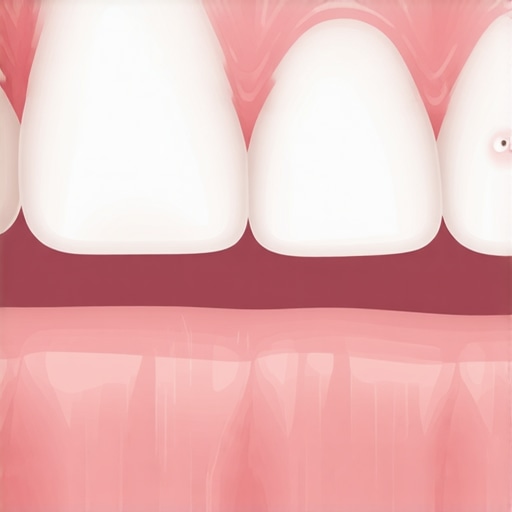
Ever had that moment where you notice a white bump on your gum and instantly panic? I remember the first time I saw one—it was late at night, and my mind started racing. Was it a harmless canker sore that would heal on its own, or was it something more serious like an abscess that needed immediate attention? That confusion can be unsettling, especially when you’re trying to decide whether a trip to the dentist is urgent or something you can wait out.
Decoding That White Spot: What’s Really Going On?
Understanding the difference between common oral irritations and more serious infections can save you unnecessary worry—and trip to the emergency room. Today, I’ll share how I learned to differentiate between a canker sore and an abscess, so you won’t have to feel clueless when faced with this dilemma. By the end of this, you’ll feel more confident in recognizing signs that demand professional care versus those that will resolve on their own.
Is This Actually Worth the Hype? It’s Just a White Spot, Right?
Honestly, I used to dismiss these little oral signs as nothing more than minor irritations—until I made one early mistake that almost led me to ignore a developing abscess. Trust me, neglecting these symptoms can sometimes lead to more pain and costly treatments. Recognizing the key differences early on is crucial, and that’s exactly what we’ll explore next. If you’ve ever wondered whether that white bump needs urgent attention or if it can wait, you’re not alone. Let’s get into the facts, so you’ll never be left guessing again. And if you’re worried because you’ve faced this issue yourself, I really empathize. It’s always better to be safe than sorry when it comes to oral health, and I’ve got some tips that will help you discern the warning signs. For trusted advice on maintaining overall oral health, check out these expert tips.
Assess the Size and Location
Start by examining the white bump carefully. Use a mirror and good lighting. Note if it’s small or large, and where it’s located—near a tooth, in the gum line, or on the palate. During one instance, I noticed a small bump on my lower gum after a rough night of eating. Recognizing its position helped me determine its urgency.
Check for Pain and Other Symptoms
Gently press around the bump. Is there tenderness, swelling, or bleeding? Does it hurt when you eat or brush? I experienced mild discomfort, which pointed me towards a common minor irritation rather than something serious. Keep track of any additional symptoms like fever or foul taste, which might indicate infection—these are signs to see a professional.
Evaluate the Duration and Changes
Observe how long the bump has been present and if it’s growing or changing color. A bump that persists beyond a week or enlarges warrants attention. I once ignored a bump for a few days, but it grew larger, prompting my visit to the dentist. Timely observation can prevent complications.
Implement Basic Oral Hygiene Measures
Maintain excellent oral hygiene—brush twice daily, floss carefully, and rinse with an antibacterial mouthwash. Sometimes, irritation diminishes with consistent care. For example, after I improved my daily brushing routine, the bump from minor irritation reduced significantly.
Apply Gentle Home Remedies
Use saltwater rinses (half teaspoon of salt in warm water) to reduce inflammation and promote healing. I did this when I first noticed the bump, and it helped soothe discomfort. Avoid irritating foods like spicy or acidic dishes during this time.
Decide When to Seek Professional Help
If the bump persists beyond a week, grows, or is accompanied by severe pain or other concerning symptoms, schedule a visit with your family dentist. They can diagnose if it’s a canker sore, abscess, or other issue. Remember, timely professional assessment can prevent more serious complications. To find a trusted local dentist, check this resource.
Consult Your Dentist for Persistent or Painful Bumps
In my experience, a quick consultation revealed that what I thought was a minor irritation was an early-stage abscess requiring treatment. Dentists might perform an X-ray or take a sample to determine the cause. Don’t wait if symptoms worsen—early intervention ensures better outcomes.
Understand When Specialized Treatments Are Needed
Some white bumps may be caused by underlying issues like cysts, tumors, or systemic problems requiring advanced care. In cases like that, your dentist may recommend procedures such as drainage, removal, or referral to a specialist. Staying informed about your oral health makes all the difference in timely treatment.
Many people believe they know everything about oral health, but the truth is, there are numerous misconceptions and overlooked details that can impact your dental well-being. For instance, a widespread myth is that flossing isn’t essential if you brush regularly. However, scientific studies, like the one published in the Journal of Dental Research, highlight that flossing can significantly reduce plaque buildup and gum inflammation, which brushing alone might miss (more on this here).
Why do so many fall for the ‘more is better’ approach with whitening agents?
Many assume that overusing whitening products will accelerate results. In reality, excessive use can lead to tooth sensitivity and enamel erosion, compromising long-term dental health. The real secret is understanding the appropriate frequency and strength of these agents—consulting your dentist ensures safe and effective whitening treatment tailored to your needs (see expert advice here).
What advanced mistakes might your family dentist warn you about?
One common error is neglecting to replace crowns or veneers when they become damaged. Often, patients wait until symptoms worsen, not realizing that delayed repairs can lead to decay or misalignment. Modern restorations are durable, but they require timely intervention—otherwise, the initial benefits diminish. For comprehensive insights on choosing the right crown, visit this guide.
Another nuance is the misconception that Invisalign trays alone are sufficient for complete orthodontic correction. While they are a breakthrough, combining Invisalign with proper retainers and regular dental checkups maximizes results and prevents relapse (learn more about this).
Making assumptions without professional guidance can lead to costly errors. For example, attempting to DIY repairs on dental crowns or using superglue can cause more harm than good. Remember, your dentist has the expertise to evaluate the condition accurately and recommend appropriate solutions. For trusted local help, check here.
Have you ever fallen into this trap? Let me know in the comments. Staying informed about the little-known truths and misconceptions empowers you to protect your smile effectively—because advanced dental knowledge is a valuable part of comprehensive family care and modern dentistry. For more expert tips, visit this resource.
Maintaining your oral health over time requires more than just good brushing habits. Investing in the right tools can significantly enhance your daily routine and help prevent common issues like cavities and gum disease. One essential device I personally swear by is an ultrasonic water flosser. Unlike traditional floss, it effectively cleans between teeth and along the gumline, reaching areas traditional floss might miss. I use the Waterpik Aquarius because of its adjustable pressure settings, making it suitable for sensitive gums while still providing deep cleaning. Another tool I find invaluable is an LED whitening pen, which helps maintain mySmile’s brightness between professional whitening sessions. Using it for a few minutes daily ensures that stains from coffee and wine don’t accumulate, saving me from costly touch-ups later. For those with braces or aligners, I recommend a magnetic orthodontic brush. Its small heads and powerful magnets allow you to clean around brackets and wires thoroughly without damaging the appliances. Personally, I use the OrthoSmile Magnetic Brush because of its ergonomic design and efficient cleaning ability. Looking ahead, I predict that personalized oral health apps integrated with smart toothbrushes will become the norm. These devices will analyze brushing patterns and provide real-time feedback, resulting in even better long-term results. As you develop your dental toolkit, consider pairing digital solutions like the Oral-B Genius X with professional advice to fine-tune your routine.\n\n**How do I keep my dental tools effective over time?** Regularly replacing brush heads and floss tips is crucial—dental professionals recommend changing toothbrushes or heads every three months. Also, ensure your tools are stored in a dry, clean place to prevent bacteria buildup. For comprehensive guidance on choosing the best equipment, visit this resource. For ongoing advice on strengthening your family’s oral health habits, explore these expert tips. Remember, combining top-tier tools with consistent maintenance makes all the difference in achieving lasting oral health. To get professional recommendations tailored to your needs, don’t forget to reach out to your dentist.
What I Wish I Knew About Oral Signs Early On
One of my biggest realizations was that white bumps or spots aren’t always minor irritations—they can sometimes indicate serious issues like abscesses that require immediate care. Ignoring these signs delayed my treatment and led to discomfort that could have been avoided with prompt action. This taught me the importance of trusting my instincts and seeking professional advice sooner rather than later.
Another lesson learned is that examining the size, location, and persistence of a bump can be a game-changer. A small, painless spot might resolve on its own, but a growing, painful bump demands swift professional evaluation. Being observant and noting these changes helped me avoid unnecessary treatments and catch problems early.
Furthermore, I discovered that maintaining good oral hygiene combined with gentle home remedies like saltwater rinses can significantly speed up healing. Simple routines, when done consistently, can prevent minor irritations from escalating into infections that require complex treatments. Small habits truly make a big difference over time.
Tools I Trust to Keep My Smile Healthy
For me, having the right tools has transformed my oral health routine. An ultrasonic water flosser, like the Waterpik Aquarius, has improved my ability to effectively clean hard-to-reach areas, especially around crowns and implants. It has been a reliable way to maintain gum health and prevent plaque buildup.
Additionally, I use an LED whitening pen regularly. It’s a convenient way to maintain brightness between professional whitening sessions and prevents stains from coffee and wine from settling in. These tools, combined with professional guidance, keep my smile both vibrant and healthy.
Another invaluable resource is an orthodontic-specific brush, such as the OrthoSmile Magnetic Brush. It allows me to thoroughly clean around braces and aligners, ensuring no plaque hides in tricky spots. Investing in these tools has been essential for my ongoing dental wellness.
Taking Action to Protect Your Dental Journey
Your smile is a reflection of your overall health, and understanding the subtle signs can empower you to make smarter choices. Don’t wait for pain or visible issues—regular checkups and attentive self-care are your best defenses. Remember, early intervention can save you discomfort, time, and money in the long run.
Stay curious, stay proactive, and don’t hesitate to reach out to your trusted dentist for personalized advice. Your oral health is too important to ignore, so take those small steps today that will lead to a healthier, happier smile tomorrow. For tailored recommendations and to schedule a professional consultation, visit here.