
How to tell if your dental bridge is actually failing
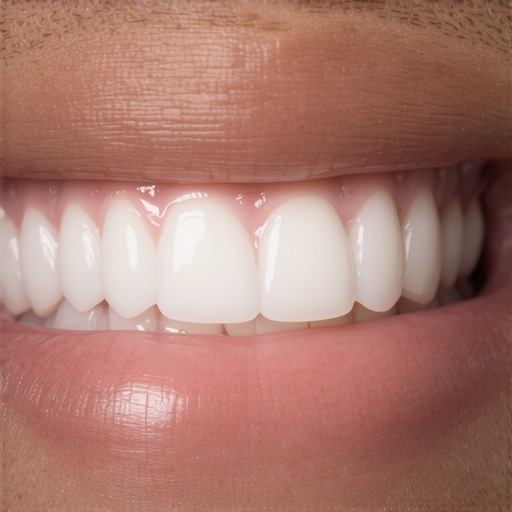
I vividly remember the moment I realized something was off with my dental bridge. It was just a dull ache at first, something I brushed off as minor discomfort. But then, I started noticing my bite felt different, and small fragments of food kept getting stuck around the area. That’s when I had a lightbulb moment—was my trusted dental bridge actually failing? And let’s be honest, that fear of the unknown is unsettling.
Why Knowing the Signs of a Failing Dental Bridge Matters
Sometimes, we get so comfortable with our dental work that we forget it needs attention, too. A failing bridge can lead to more serious issues like decay of adjacent teeth, gum disease, or even bone loss. Recognizing early warning signs could save you a lot of pain and money down the road. Believe me, I learned this the hard way. Early on, I ignored minor symptoms because I thought discomfort was normal, and that mistake might have cost me more than just the repair bill.
Is It Really Worth Worrying Over a Failing Bridge?
Let’s be real: the idea of your dental bridge failing evokes full-on panic mode. But here’s the thing—most problems can be addressed if caught early. Waiting until something breaks or you’re in pain makes treatment more complicated and costly. Early detection not only preserves your oral health but also keeps your confidence intact. That’s why I stress the importance of knowing what to look for. If you’re questioning whether your bridge is still healthy, you’re not alone. Many people overlook subtle changes, brushing off symptoms until they’re unbearable.
I’ll be honest: I made the mistake of dismissing minor sensitivity and minor chips until a piece actually cracked off during a meal. That experience taught me that prevention is powerful. For more insights on the right approach to restorative dentistry, check out this comprehensive guide on why crowns are a game-changer. Now, I want to help you avoid my pitfalls by sharing how to spot trouble early.
Inspect Your Bite and Comfort Regularly
Set a reminder to check your bite and note any changes in how your teeth come together. During my experience, I used a small mirror to observe my molars after meals, noticing a slight misalignment that gradually worsened. If your bite feels uneven or if you experience discomfort when chewing, it could be a sign your bridge is loose or damaged.
Look Out for Visible Damage or Debris
Examine your dental bridge for cracks, chips, or discoloration. Small food particles stuck around the area or persistent staining can hint at underlying issues. Once, I used dental floss to gently remove debris and noticed a tiny crack in the porcelain, which prompted me to schedule a professional consultation. Regular visual checks help catch problems before they worsen.
Monitor Sensitivity to Hot, Cold, or Sweet Foods
Pay attention to any unusual sensitivity or pain during eating or drinking. I remembered how I ignored brief sensitivity episodes until one day, hot coffee caused sharp pain—clearly a sign my bridge needed attention. Keep a mental or physical log of these symptoms, as they often precede overt failure.
Assess Oral Hygiene and Seal Integrity
Use dental floss to glide between your teeth and around the bridge. Frayed or damaged floss can indicate a compromised seal. In my case, floss kept snagging at one point, revealing a gap that was overlooked in routine brushing. Maintaining excellent oral hygiene is crucial; loosened or ill-fitting bridges invite plaque buildup that accelerates deterioration.
Schedule Professional Evaluations Promptly
If any of these signs appear, don’t delay consulting your dentist. I initially delayed my appointment, which led to more extensive repairs. During visits, practitioners use specialized tools to detect microcracks or looseness that are not visible to the naked eye. They might also take X-rays to evaluate underlying bone health and the stability of the abutment teeth.
Preventative Care Tips
Enhance longevity by avoiding sticky foods and excessive biting forces. For a comprehensive approach, consider discussing with your dentist about the best maintenance routine and potential replacement options, such as crowns or new bridges, to prevent future issues. For example, I learned that avoiding hard candies reduced the stress on my bridge, greatly extending its lifespan.
Choosing the Right Restoration Solutions
Sometimes, problems with bridges signal the need for a different restorative approach. Exploring alternatives like crowns or implants might be wise, especially if recurring issues arise. To understand the various options, visit this detailed guide on crowns. Proper diagnosis and tailored treatment ensure you preserve your oral health and prevent costly repairs.
While many believe they understand dental crowns and Invisalign, there’s a subtlety that often goes unnoticed—an aspect that separates a good outcome from a long-term problem. For example, the common myth that all dental crowns are equal overlooks the critical importance of material quality and expert placement, which directly influence durability and biocompatibility. According to a study published in the Journal of Prosthetic Dentistry, improperly fitted crowns can lead to increased plaque accumulation, resulting in gum disease and decay—a complication many patients don’t anticipate.
Are There Advanced Factors That Impact Crown Longevity?
Beyond the obvious skills of your dentist, aspects like occlusion harmony—how your bite distributes force—play a pivotal role in the success of restorative work. An unbalanced bite exerts uneven pressure, leading to premature wear or failure of the crown, which is a nuance many overlook. It’s not just about having a crown; it’s about how well it integrates with your existing dental system. To ensure this, experienced family dentists pay close attention to occlusal forces, often using digital bite analysis tools, as detailed in expert reviews.
Common Myths That Could Wreck Your Oral Health
For years, people have believed that Invisalign is solely for aesthetics and slow to correct orthodontic issues. However, research indicates that Invisalign can be effective for complex cases—if properly managed—challenging the myth of its limitations. Additionally, many assume that Invisalign trays can be worn anytime—they can’t, and inconsistent wear reduces effectiveness, risking relapse or prolonged treatment. For comprehensive insights, you might want to explore this guide debunking Invisalign myths.
Proper Oral Hygiene Goes Beyond Brushing
Many believe that brushing twice daily suffices for oral health. Yet, effective plaque removal requires more nuanced techniques like interdental cleaning, which dental professionals emphasize for long-term health. Failing to address hidden plaque buildup around crowns or between teeth can lead to secondary caries and gum issues, often unnoticed until significant problems develop. Incorporating tools like water flossers or interdental brushes can make a real difference—don’t overlook these advanced cleaning approaches. Interested in more high-level tips? Check this resource on top oral health practices for the whole family. Remember, maintaining your oral health isn’t just about superficial cleanliness but understanding and managing the intricate nuances that influence long-term outcomes. Have you ever fallen into this trap? Let me know in the comments.Ensuring your crowns, bridges, and Invisalign treatments perform well long-term requires more than just good brushing. Over the years, I’ve discovered specific tools and methods that make maintenance easier and more effective. One standout is the Waterpik Sonic-Fusion. Its combination of brushing and water flossing capabilities allows me to clean around crowns and bridges thoroughly, reaching areas manual tools often miss, which helps prevent plaque buildup—a key factor in prolonging restoration life. For precision, I use the Tinjec Interdental Brush, specifically designed for tight spaces, including under bridges. Its tapered design makes it easier to remove debris and plaque effectively without damaging surrounding tissue. Regularly inspecting my smile with a dental mirror equipped with a built-in LED has helped me catch early signs of wear or damage, saving money and discomfort down the line. To keep your Invisalign trays spotless, I turn to the specially formulated Invisalign Cleaning Crystals. Unlike generic cleaners, they are designed to dissolve bacteria, prevent stains, and preserve the tray’s clarity, which is crucial for maintaining a confident smile. Looking ahead, upcoming smart dental tools—leveraging AI to monitor oral health—are promising improvements. Devices with integrated sensors could alert you to early signs of decay or damage, making maintenance proactive rather than reactive. So, how do I maintain my dental restorations over time? I follow a disciplined routine: daily cleaning with specialized tools, weekly inspections, and regular professional check-ups. I also adhere to a diet low in sticky and hard foods, reducing unnecessary stress or damage. For those considering long-term durability, I recommend consulting with your family dentist about personalized maintenance plans and the latest tools tailored to your dental work. Want to learn more about extending the life of your crowns? Check out this guide on [why crowns are a game-changer in restorative dentistry](https://familydentistpro.com/why-crowns-are-a-game-changer-in-restorative-dentistry). Don’t forget—consistent care makes all the difference. Try incorporating a water flosser into your routine today, and see how much easier maintaining your oral health becomes.
The Hidden Lessons That Still Shape My Smile Approach
One of the biggest revelations I had was realizing how overlooked small signs can spiral into costly problems. I used to dismiss minor discomforts, thinking they were just part of aging or normal wear. It wasn’t until I faced a sudden crack that I understood early detection is your best friend in maintaining healthy restorations. Listening to my body’s subtle cues taught me to prioritize regular checks and trust my instincts—these lessons have become the cornerstone of my oral health journey.
Tools and Insights That Elevated My Dental Game
Over time, I discovered tools like the Waterpik Sonic-Fusion, which revolutionized my maintenance routine for crowns and bridges. I also found confidence in books like the ultimate guide to crowns, offering insights that go beyond routine dental visits. Engaging with reputable sources and investing in quality tools transformed my approach from reactive to proactive, helping me extend the lifespan of my restorations and keep my smile vibrant.
Embracing the Power of Small Wins and Consistent Care
Perhaps most inspiring is recognizing that every brushing, flossing session, and routine check-up is a step toward lifelong health. I learned that resilience in oral care isn’t about dramatic gestures but consistent, mindful actions. Encouraging yourself to choose better daily habits, like using interdental brushes or specific cleaning crystals, can create a ripple effect of confidence and well-being. Remember, taking charge today paves the way for a healthier smile tomorrow.
Your Next Step to a Brighter, Stronger Smile
The journey to optimal oral health is uniquely yours, but it starts with awareness and intentional habits. If you’re curious about how modern restorations can support your lifestyle or want personalized advice, consider reaching out through our contact page. Embrace the knowledge that small, deliberate steps now will lead to a future where your smile not only looks great but feels resilient and healthy. Begin today—your brighter smile is waiting.