
How to tell if your dental crown needs to be recemented
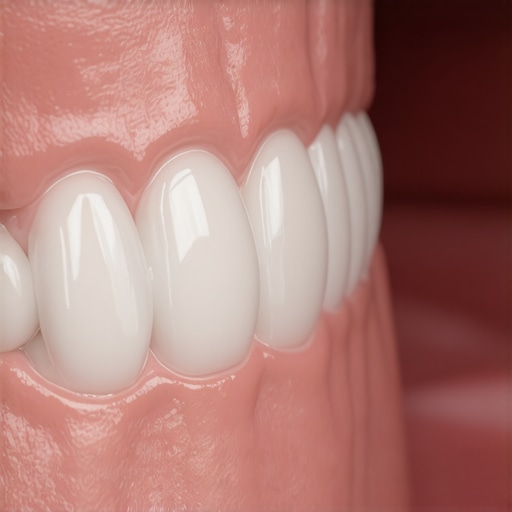
It was just an ordinary Tuesday, or so I thought. I was chomping on an apple, enjoying a snack like any other, when suddenly I felt a strange twinge in my mouth. That little jolt of discomfort sent me on a mini panic — was my crown loose? Had I missed something important? That moment made me realize many folks overlook the signs that their dental crown might be in trouble until it’s too late. If you’ve ever experienced similar uncertainty, you’re not alone.
Spotting the Signs that Your Crown Needs Recementing
Many people don’t realize that noticing the subtle hints can save your big dental bill later on. The key is understanding what to look for: persistent sensitivity, a dull ache, or even a visible gap between the crown and gum line can all be warning signs. For instance, I once ignored a slight looseness in my crown, thinking it was just a minor annoyance. That mistake almost led to an infection that could have been avoided with early intervention. Early detection is the best way to prevent further damage and preserve your smile.
Is the Idea of Re-cementing Actually Worth the Hassle?
Some might dismiss minor symptoms, thinking they’re nothing serious or that they can wait. But I learned firsthand that neglecting these signs can lead to more complex procedures down the line. Re-cementing a crown is generally a simple process when caught early, and it can save your tooth from unnecessary extraction or root canal treatment. Trust me, it’s a small step that makes a big difference—much like brushing regularly to avoid cavities. Want to know how to tell if your crown really needs some attention? Keep reading, because I’ll walk you through the clear signs and what to do about them.
Remember, even experts sometimes miss the early warning signs. That’s why I suggest staying vigilant and seeing your family dentist promptly if you notice anything out of the ordinary. If you’re curious whether some common myths about crowns might be holding you back or want to explore more about modern restorative options, check out [this detailed article](https://familydentistpro.com/why-crowns-are-a-game-changer-in-restorative-dentistry). Now, let’s get into the practical steps to identify and handle a crown that might be in trouble.
Act Fast When Your Crown Loosens
When you notice your dental crown wiggle or feel any discomfort, the first step is to assess the situation calmly. Gently tap the crown with your finger or tongue—if it shifts easily, it’s a sign you should act promptly. Avoid pushing or trying to fix it yourself; instead, schedule an appointment with your dentist immediately. Think of it like a loose tile on a floor—standing on it could cause it to break, leading to more costly repairs. My own experience with a loosened crown taught me the importance of swift action to prevent further damage. To confirm what’s going on, look for signs like pain when chewing, sensitivity, or a visible gap between the crown and gum line. These clues can help you communicate effectively with your dentist and prioritize your dental health.When it comes to maintaining oral health, many individuals rely on common misconceptions that can compromise their dental outcomes. A significant myth is that once a crown is placed, it requires no further attention unless it causes pain; however, neglecting minor issues like slight loosening or sensitivity can lead to larger problems, including infections or the need for more invasive procedures. Understanding these nuances is essential for effective dental care.
Many believe that Invisalign is solely for cosmetic alignment, but its strategic use can also improve oral function and long-term health. Recognizing the broader benefits of orthodontic treatments, beyond aesthetics, underscores the importance of personalized treatment planning by family dentists. For example, early intervention with clear aligners can prevent more complex bite issues later, as highlighted in recent studies on orthodontic efficiency.
A common oversight involves the improper identification of when a crown is truly failing. Some think that discomfort alone signals failure, but structural issues like micro-leakage or aging cement can threaten durability without obvious symptoms. Regular check-ups are crucial for detecting these subtleties, which could otherwise lead to tooth decay beneath the restoration.
Are Modern Restorations Truly Better Than Old-Style Fillings
Many assume that newer dental materials automatically outperform traditional amalgams. While advancements like zirconia crowns and composite resins offer improved aesthetics and biocompatibility, their durability depends heavily on proper placement and patient habits. It’s vital to differentiate between myths and evidence-backed preferences. For instance, zirconia crowns, when correctly used, provide a robust and natural-looking solution—more details can be found in the comprehensive guide to crowns for a healthier smile.
Beware of the trap that all dental issues require immediate, aggressive treatments. Sometimes, minor issues, if caught early, can be managed with conservative measures, saving time and costs. The importance of regular dental visits cannot be overstated; they serve as a preventative measure and a way to stay ahead of potential problems.
In the realm of family dentistry, misconceptions about the lifespan of dental appliances often lead to premature replacements. Educating patients about proper maintenance and realistic expectations helps in making informed decisions. For example, knowing that family-friendly options like flossing and routine cleanings extend the longevity of restorations can be game-changers.
If you’re curious about how modern techniques can better serve your family’s oral health, I invite you to explore [this comprehensive article](https://familydentistpro.com/family-dentistry-secrets-maintaining-oral-health-with-modern-techniques-at-254-pm), which covers innovative approaches and common pitfalls to avoid. 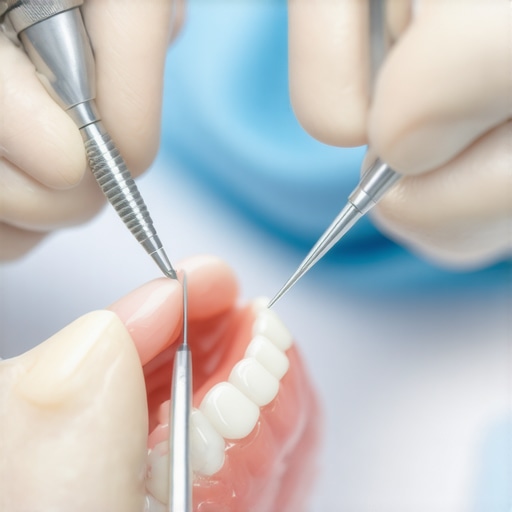
Understanding these subtle distinctions and myths can empower you to make smarter choices and maintain a healthier smile. Have you ever fallen into this trap? Let me know in the comments.Maintaining your dental restorations and orthodontic treatments over time requires more than just regular brushing and flossing; it demands the right tools and a strategic approach. I personally rely on high-precision dental timers like the Sonic Boom 2-minute timer to ensure I brush thoroughly for the recommended duration, helping prevent plaque buildup around crowns and Invisalign attachments. Additionally, interdental cleaners like the Waterpik Sonic-Fusion have become indispensable for me, providing gentle yet effective cleaning that reaches areas traditional floss might miss, especially around bridges or braces. For monitoring progress and staying alert to potential issues, I use digital intraoral cameras such as the Apteryx iTero, which offers detailed 3D scans that I review during my dental checkups, enabling early detection of micro-leakages or cracks. Looking ahead, emerging technologies like AI-powered toothbrushes are poised to further personalize oral care routines, optimizing every brush stroke based on real-time feedback. To ensure longevity of your dental work, I recommend integrating these tools into your daily routine and consulting your family dentist regularly. How do I maintain my orthodontic and restorative work over time? I schedule routine check-ins and utilize advanced imaging to catch potential problems early—like micro-leakage beneath crowns—saving me from costly repairs later. If you’re interested in elevating your oral care game, try incorporating an intraoral camera review before your next appointment; it can offer insights that instinct alone might miss. For more detailed guidance on tools that bring long-term results, check out this resource on maintaining oral health with modern techniques: https://familydentistpro.com/family-dentistry-secrets-maintaining-oral-health-with-modern-techniques-at-254-pm.
What I Wish I Knew About Mini Dental Emergencies
One of the biggest lessons I learned was the importance of trusting my instincts. A small looseness in my crown seemed harmless at first, but ignoring it could have led to bigger problems like infection or even tooth loss. Paying attention to those subtle signs saved me from costly procedures later on.
How Simple Tools Can Save Your Smile
Using advanced tools like intraoral cameras revealed micro-leakages I wouldn’t have noticed otherwise. These tiny issues, if left unchecked, compromise long-term health. Incorporating such technology with regular dental visits is a game-changer for proactive care.
The Power of Early Action
Catching issues early, such as sensitivity or slight discomfort, means treatments like recementing are straightforward and inexpensive. I realized that delaying small fixes can turn into complex, invasive procedures—far more stressful and costly than a quick visit to the dentist.
My Shift in Mindset About Dental Maintenance
I now see dental care as an ongoing partnership rather than a one-time fix. Regular check-ups and a keen eye for signs of trouble keep my dental health on track. It’s not just about reacting—it’s about preventing before problems escalate.
Personal Reflection: The Hidden Value of Knowledge
Understanding the nuances of crowns, Invisalign, and family dentistry has empowered me. Reading reputable sources and consulting experts have given me confidence. For instance, knowing the differences between modern crowns and traditional fillings helps me make better decisions—more details can be found in this comprehensive guide.