
How to tell if your dental implant is failing or just healing
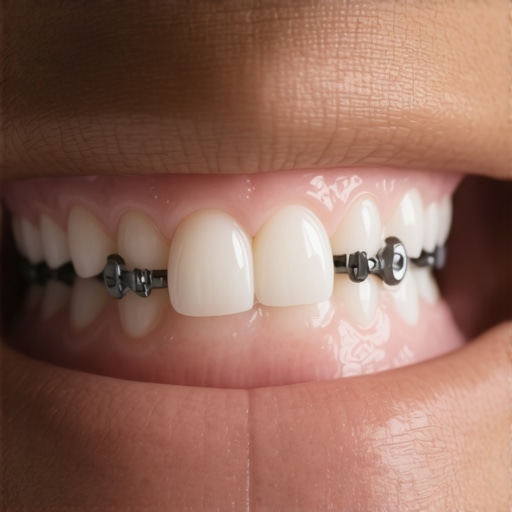
I remember the sinking feeling in my stomach when I started noticing some unusual sensations around my dental implant. One day, I felt a strange twinge while eating, and I couldn’t help but wonder—was this part of the healing process, or was something going wrong? That moment of uncertainty can be really unsettling. We’ve all been there, questioning whether our dental concerns are normal or signs of a bigger issue.
Recognizing the Difference Between Healing and Trouble
Figuring out if your dental implant is just healing or actually failing can feel like trying to decipher a foreign language. The good news? With a bit of knowledge and attention to your body’s signals, you can get a clearer picture. Early identification is crucial, because, as studies show, about 10% of dental implants may face complications if not monitored properly (source), but many issues can be caught early and addressed successfully.
Could Your Implant Be Failing? Here’s What to Watch For
One common mistake I made early on was dismissing minor discomfort as part of the healing journey without paying enough attention to persistent problems. Small signs, like ongoing pain, swelling, or loosening, might seem benign but could indicate something more serious. Learning to distinguish normal healing symptoms from alarming ones can save you time, money, and discomfort. We’ll dive into specific indicators shortly, so stay tuned to understand what your body might be telling you.
If you’re unsure, it’s always better to consult with your dentist—don’t wait until the problem gets worse. Remember, regular check-ups and open communication with your dental care provider are your best allies in maintaining implant health. Want to know how to evaluate your symptoms effectively? Keep reading, because I’ll share practical tips that could make all the difference in protecting your smile.
Assess Your Symptoms Vigilantly
Start by making a detailed note of your sensations—persistent pain, swelling, or mobility of the implant. Use a journal to track when symptoms occur and intensity to identify patterns. I once noticed that my discomfort intensified after eating certain foods, which prompted me to consult my dentist promptly. Recognizing these signs early can prevent minor issues from escalating into serious complications.
Perform a Gentle Self-Check
Look for Swelling and Redness
Inspect your gums around the implant for signs of inflammation. Use a mirror or ask a family member to help spot swelling, redness, or pus. The presence of these symptoms might indicate infection or failure. I remember feeling a slight swelling one evening and decided to avoid hard foods, which helped reduce the discomfort.
Test Your Implant’s Stability
Gently try to wiggle the implant with your finger—if it feels loose or moves, it could be a warning sign. Do this carefully to avoid applying excessive pressure. I once experienced a slight shift during routine hygiene, which led me to see my dentist sooner. Remember, a stable implant should feel secure, not wobbly.
Monitor Oral Hygiene and Care
Maintain impeccable oral hygiene to prevent infection. Use a soft-bristled toothbrush and gently clean around the implant area. Floss carefully, avoiding excessive force. Consider using a water flosser to dislodge debris without damaging tissues. Proper cleaning can significantly decrease the risk of peri-implantitis, which is a common culprit in implant failure.
Evaluate Daily Comfort and Function
Pay attention to how your bite feels. Do you experience sensitivity, discomfort when chewing, or a feeling of unevenness? These subtle cues can point to underlying issues. Once, I noticed that my biting force was uneven, prompting a quick check-up that identified a loose screw. Addressing such discomfort early can save you from more invasive procedures later.
Seek Professional Evaluation Promptly
If your self-assessment raises concerns, schedule an appointment with your dental professional immediately. Do not wait for symptoms to worsen. Regular check-ups, even if you feel fine, are vital—especially if you’ve noticed any of the signs above. Learn about current trends in family dentistry, such as [advances in implant technology](https://familydentistpro.com/transform-your-smile-how-crowns-boost-oral-health-confidence-at-815-am), which can improve success rates and longevity.
During the appointment, your dentist may perform radiographs and clinical examinations to diagnose the issue accurately. In some cases, early intervention with procedures like cleaning or tightening components can restore implant stability. Remember, timely action can often prevent costly and time-consuming treatments.
Prevent Future Issues
To keep your implant healthy, avoid habits such as smoking, excessive alcohol, or grinding teeth—these can accelerate deterioration. Regular dental visits and personalized advice from your provider will ensure your implant remains a long-term, reliable part of your smile. For more insights into successful implant care and other dental solutions, explore [family dentistry trends](https://familydentistpro.com/family-dentistry-trends-improving-oral-health-for-all-ages).
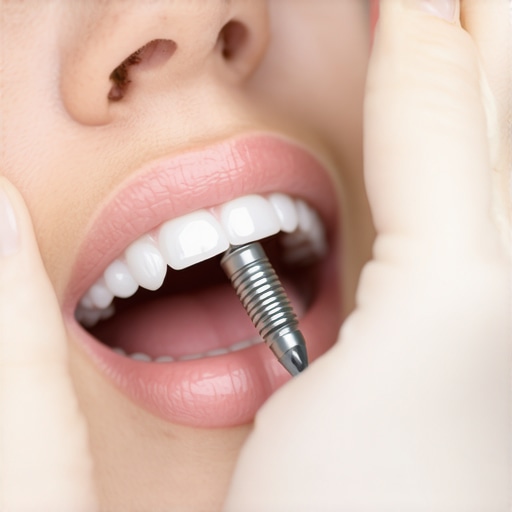 Many people believe that maintaining good oral hygiene is just about brushing twice a day and visiting the dentist annually. However, beneath this surface lies a wealth of nuances that can significantly impact long-term oral health. One common misconception is that all dental restorations, like crowns or Invisalign, are completely foolproof, but in reality, their success depends on understanding their limitations and proper care. For instance, some assume that Invisalign is purely cosmetic, overlooking its ability to correct bite issues and prevent jaw problems over time.
Moreover, another myth is that family dentistry is only for children, which can lead adults to neglect regular check-ups, risking undetected issues that can escalate. Advanced mistakes include underestimating the significance of bite alignment; misaligned teeth not only affect aesthetics but can cause uneven wear, temporomandibular joint disorders, and even speech problems. A study published in the Journal of Oral Rehabilitation emphasizes that early correction of malocclusion can prevent costly interventions later (source).
What Are the Hidden Risks of Ignoring Subtle Dental Changes?
One of the most overlooked pitfalls is dismissing minor discomforts or small changes in your oral environment, which can be signs of underlying problems. For example, persistent gum bleeding might seem trivial but could signal periodontal disease, leading to tooth loss if not treated promptly. Ignoring early signs rather than addressing them immediately can transform manageable issues into complex, expensive treatments.
Another frequent misconception involves crown longevity. Many think that once a crown is placed, no further maintenance is needed. But neglecting proper oral hygiene or damaging habits like grinding can lead to crown failure or decay underneath, undermining the restoration’s durability. Learn more about optimal crown care at this resource.
Advancements in family dentistry, such as innovative techniques in minimally invasive procedures, are often underestimated. For example, current trends like Invisalign innovations not only straighten teeth more comfortably but also incorporate features to monitor oral health trends remotely, offering proactive care.
It’s also worth noting that many assume that once primary teeth fall out, lasting damage is unavoidable. But timely interventions can manage alignment issues early, preserving jaw development and preventing future orthodontic complications. Staying informed about these nuances can make a real difference in your dental journey.
Have you ever fallen into this trap? Let me know in the comments, and share your experiences or questions about common myths and mistakes in dental health—let’s keep the conversation going for healthier smiles!
Mastering Maintenance with Precision Tools
Ensuring your dental restorations, like crowns or implants, stay in top shape requires more than just regular brushing. I personally rely on ultrasonic toothbrushes equipped with adaptive technology. For example, **Sonicare ExpertClean**—with its dynamic cleaning modes—delivers superior plaque removal without damaging delicate restorations, thanks to its gentle yet effective vibrations. These devices bridge the gap between routine care and professional-level cleaning at home, helping prolong the lifespan of your dental work.
Why I Swear by Advanced Oral Hygiene Devices
In my experience, water flossers such as **Waterpik Sonic-Fusion** combine flossing and brushing into one effortless step, effectively dislodging debris around crowns and implants. Unlike standard floss, these devices emit pulsed water streams that reach difficult angles, cleaning underneath bridges or around appliances with minimal trauma. This approach supports healthy gums and prevents peri-implantitis, which is crucial given that improper maintenance can jeopardize implant stability.
Investing in Digital Monitoring and Software
Technology is transforming how we maintain long-term oral health. I recommend using **Invisalign’s remote monitoring** systems, which allow your dentist to track your aligner wear and oral hygiene through a secure app. This continuous oversight encourages accountability and ensures early detection of any issues. For crowns, digital scanners like **3Shape TRIOS** enable quick, precise assessments of wear or damage, reducing the need for invasive procedures and making maintenance more efficient. These tools help catch problems before they escalate, saving you time and money in the long run.
How do I maintain these tools over time? Understand that regular calibration and cleaning are key. For electronic devices, follow the manufacturer’s instructions rigorously; for software, ensure your app is kept updated to leverage security patches and new features. Periodic professional check-ins also help verify that your devices are functioning correctly, maintaining their accuracy and effectiveness.
Looking ahead, I believe the trend will lean even more toward **integrated health tech that combines oral care with overall wellness monitoring**. Imagine smart toothbrushes that sync with your phone to analyze plaque levels and suggest personalized routines, or AI-driven apps that predict potential issues based on your habits. Embracing these innovations now ensures you’re ahead of the curve and maximizing the longevity of your dental investments.
Make Maintenance a Priority Today
If you’re determined to keep your restorations functioning flawlessly, start by upgrading to an ultrasonic toothbrush and exploring apps that monitor your oral health. Implementing these tools can dramatically reduce the risk of complications and extend the life of your crowns and implants. Remember, consistent, proactive care is your best defense against costly repairs down the line. For more insights on maintaining your smile’s integrity, check out this article about innovative family dental solutions for 2025.
So, why not take a step today? Try integrating a water flosser into your routine and see how much easier it makes routine maintenance—your future self will thank you!
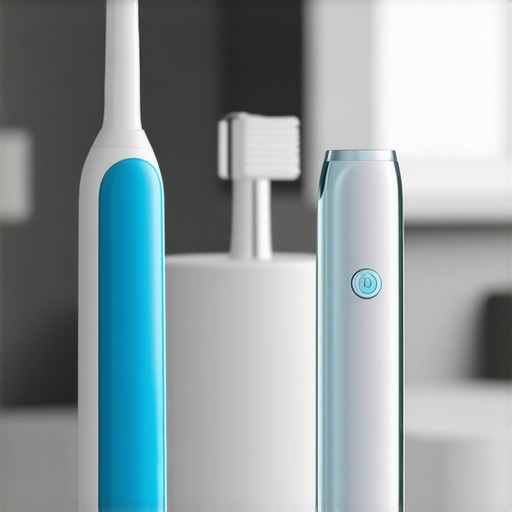

Three Lessons I Learned When My Oral Health Took Center Stage
- Patience is a Virtue—Especially with Healing: I used to think immediate results were what mattered most. It wasn’t until I faced a stubborn implant complication that I realized proper healing needs time, and rushing can do more harm than good. Trust the process, and give your body the time it needs to recover naturally.
- Listening to Your Body Can Save You from Major Problems: Small discomforts, like a twinge or slight swelling, might seem insignificant, but they’re often early signals. Ignoring them only led me to more extensive treatments later. Pay attention, and seek professional advice early to keep minor issues from escalating.
- prevention Begins with Education: Most issues could have been avoided with better information. Learning about proper oral hygiene tools and habits—like using an ultrasonic toothbrush or water flosser—made a significant difference in my long-term health. Knowledge truly empowers you to make smarter choices.
Tools That Revolutionized My Dental Routine
- Sonicare ExpertClean: This ultrasonic toothbrush offers gentle yet effective cleaning, especially around crowns and implants. It’s become an essential part of my daily routine for maintaining restorations in top shape.
- Waterpik Sonic-Fusion: Combining flossing and brushing, this device helps me dislodge debris and keep my gums healthy. It’s perfect for those hard-to-reach areas around dental work.
- Dental Monitoring Apps: Using apps linked to my dentist provided real-time feedback and early alerts for potential issues. Embracing technology makes caring for my smile proactive, not reactive.
- Professional Radiographs and Digital Scanners: Regular check-ups with advanced diagnostic tools have caught small problems before they turned serious. Trusting my dentist’s tech-savvy approach reassures me about my ongoing oral health.
Keep Moving Forward: Your Dental Journey Awaits
Taking control of your oral health isn’t a one-time effort—it’s an ongoing commitment. Embrace innovative tools and stay informed about the latest trends in family dentistry, like Invisalign advancements for 2025. The future holds exciting possibilities that can make maintaining your smile easier and more effective than ever. Remember, your dedication today paves the way for a healthier, more confident tomorrow.
What small step will you take today to improve your dental health? Share your plans or questions below—let’s support each other in building brighter, healthier smiles!