
How to tell if your dental implant is rejecting or just healing slowly
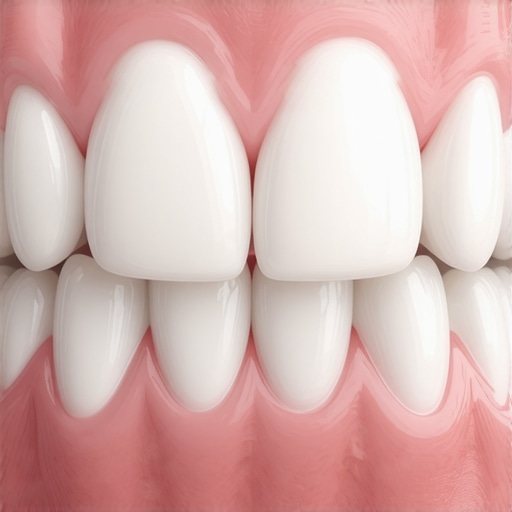
Have you ever felt a strange sensation in your mouth after getting a dental implant, only to second-guess whether it’s normal or a warning sign? I remember the moment vividly—about six months after my implant, I started noticing a persistent dull ache and a strange tenderness around the area. At first, I told myself it was just the healing process, part of the normal ups and downs. But deep down, I couldn’t shake that uneasy feeling. That experience was a lightbulb moment for me that real healing and rejection can sometimes look very similar, and it’s easy to get confused.
Deciphering the Difference: Healing or Rejection?
Understanding what’s happening in your mouth is crucial. The distinction isn’t always clear-cut, but with a little guidance, you can learn to listen to your body. The key is knowing that while some discomfort or swelling during healing is normal, persistent pain, swelling, or other symptoms beyond the typical healing timeline could be signaling a rejection or complication.
So, what’s the reality? Studies show that dental implant failure rates are relatively low, around 5-10%, but early detection plays a vital role in successful interventions. Misinterpreting signs can lead to unnecessary distress or, worse, delay critical treatment.
Are you making any common mistakes in assessing your symptoms?
Early on, I made the mistake of dismissing mild swelling, thinking it was just part of the process, only to find out later that it was a symptom of a developing issue. Recognizing symptoms early can save your implant—and your peace of mind. If you’re unsure whether your body signals healing or rejection, keep reading; I’ll guide you through practical steps to figure it out without panicking.
Stay tuned, because understanding these signs can make all the difference. If you’ve faced this dilemma, you’re not alone—many people stumble at this fork in the road. And remember, consulting your dentist promptly can offer clarity and peace of mind. Want to learn more about how to maintain your implant and oral health? Check out why crowns are a game-changer for restorative success.
Assessing Your Symptoms with Precision
Start by monitoring your symptoms carefully—keep a detailed journal noting when discomfort occurs, its location, and intensity. For example, during my experience, I noticed that the dull ache was persistent and didn’t fluctuate with hot or cold stimuli, which was a red flag. Using a simple mirror, examine the area regularly for signs of redness, swelling, or pus. Recognizing these early signs helps differentiate normal healing from potential rejection or infection.
Applying the ‘Two-Week Rule’ for Post-Operative Symptoms
Most healing processes take about two weeks. If your discomfort persists beyond this period, or if symptoms worsen, take immediate action. I once ignored mild swelling at the two-week mark, only to have it intensify later; consulting my dentist promptly revealed an early sign of rejection. This rule acts as a checkpoint—if symptoms don’t subside or if new ones develop, escalate your concerns.
Using Over-the-Counter Tools as Initial Indicators
Utilize dental pain relievers cautiously to assess symptom severity. Sharp, lingering pain that doesn’t respond to NSAIDs could point to complications. At one point, I managed mild discomfort with ibuprofen, but when the pain intensified despite medication, I understood that professional evaluation was necessary. Remember, these are only indicators—don’t rely solely on self-assessment.
Implementing Oral Hygiene Practices Effectively
Maintain excellent oral hygiene to prevent infections that could mimic rejection. Brush twice daily with a soft-bristled brush, floss gently around the implant, and rinse with antiseptic mouthwash. I adopted this routine diligently after my implant; it helped me distinguish between hygiene-related issues and more serious problems. Cleanliness reduces the risk of peri-implantitis, which can resemble early rejection.
Flagging Key Symptoms for Dental Attention
Persistent pain, increased swelling after initial improvement, bleeding, or pus drainage are critical signals. If you notice any of these, schedule an appointment without delay. I learned this firsthand when a small amount of bleeding turned into a more serious concern, prompting immediate consultation. Acting swiftly can save your implant and prevent further damage.
Consulting Your Dentist with Confidence
When in doubt, communicate your observations clearly and provide detailed notes. A thorough examination, possibly including radiographs, can clarify whether you face typical healing or early rejection. I found that being proactive and descriptive during my dental visits helped my specialist provide targeted care—saving time and reducing anxiety. Remember, professional judgment is irreplaceable; never delay seeking expert advice.
In the meantime, avoid self-treatment strategies that aren’t recommended by your dentist. Maintaining a record of your symptoms and behaviors will empower you to get accurate assessments and appropriate interventions, ultimately safeguarding your health and the success of your dental implant.
Need assistance with questions about your implant or oral health? Visit our contact page for expert guidance.
 Many patients and even some dental professionals hold misconceptions about common treatments like Invisalign, crowns, and general oral care. Let’s uncover these myths and explore the nuanced truths that can significantly impact your dental health. For instance, while Invisalign is often touted as a quick fix for misaligned teeth, the reality is more complex—success depends heavily on patient compliance and case severity. Misunderstanding this can lead to disappointment or improper expectations. Similarly, there’s a common myth that maintaining oral health is solely about brushing twice a day, but professionals emphasize that flossing, diet, and regular check-ups play equally vital roles in preventing issues like peri-implantitis, which can mimic early rejection of dental implants. Overlooking these details can be costly. When it comes to crowns, many believe they are a temporary solution, but advanced materials like zirconia and porcelain not only restore function but also enhance aesthetics and durability, provided they’re correctly placed and cared for. One sophisticated question I often confront from advanced patients is: “How does the choice of crown material influence long-term oral health, especially in cases of compromised gums?” According to a 2023 study published in the Journal of Prosthetic Dentistry, biocompatible materials reduce peri-implant inflammation and improve integration, which is crucial for long-term success. Are you falling prey to any of these misconceptions?
Understanding these nuances enables better decision-making and more realistic expectations. For example, opting for a crown without considering gum health can lead to future complications, underscoring the importance of comprehensive treatment planning. Curious about how to optimize your treatment choices? Check out this guide on crowns for in-depth insights.
Taking the time to differentiate myths from facts empowers you to partner effectively with your dentist. Regular professional advice, coupled with a thorough understanding of these advanced nuances, ensures long-lasting results. So, have you ever fallen into this trap of misconceptions? Let me know in the comments, and remember—your informed choices make all the difference.
Keeping Your Smile in Top Shape: Essential Tools and Techniques
Maintaining optimal oral health and ensuring the longevity of dental treatments like Invisalign, crowns, and implants requires more than regular brushing. It involves utilizing specialized tools and adopting effective maintenance routines. Personally, I swear by high-quality electric toothbrushes with pressure sensors, such as the Philips Sonicare DiamondClean, because they provide superior plaque removal and help prevent gum recession—a crucial factor when preserving crowns and implants. These devices monitor your brushing force, avoiding excessive pressure that could damage delicate restorations.
Another indispensable instrument in my kit is a water flosser, like the Waterpik Aquarius. Its pulsating stream reaches areas that traditional floss might miss, especially around crowns and orthodontic appliances. Regular use reduces plaque buildup and minimizes the risk of peri-implantitis, a common cause of implant failure. Additionally, I incorporate interdental brushes designed for tight spaces; these are vital for cleaning around crowns, bridges, and Invisalign attachments effectively.
What role do digital tools play in long-term oral health?
Advancements in digital technology have revolutionized maintenance routines. I utilize smartphone apps, such as the Philips Sonicare app, which syncs with my toothbrush to track brushing habits and provide personalized feedback. These tools motivate me to maintain consistent care and identify areas needing improvement. Furthermore, digital plaque disclosing tablets allow me to visually assess my cleaning effectiveness, ensuring I’m reaching all plaque-prone zones.
To stay ahead, I also schedule routine remote consultations with my dentist, leveraging telehealth platforms that enable quick assessments of any concerns without an office visit. This proactive approach helps catch issues early—whether it’s a slight gum irritation around a crown or early signs of implant inflammation—saving time and cost in the long run.
How do I keep my dental work functioning smoothly over years?
The key lies in consistent maintenance and adopting a comprehensive approach. Regular professional cleanings, typically every six months, remove calculus and biofilm that home care might miss. During these visits, I ask my dentist to check for early signs of wear or damage to crowns and implants, ensuring issues are addressed before they escalate.
Beyond professional care, I follow tailored routines based on my treatment history. For example, after getting crowns, I use non-abrasive whitening toothpaste to prevent surface staining without risking material degradation. For Invisalign, I make sure to clean the trays thoroughly with a soft-bristled toothbrush and avoid eating with them in, which can harbor bacteria and cause staining or decay of adjacent teeth.
Where might the future of dental maintenance be headed?
Emerging technologies, such as smart restorations embedded with sensors, promise real-time monitoring of oral health. Imagine receiving instant alerts if your implant shows signs of inflammation or your crown develops a crack. These innovations could drastically reduce emergency visits and prolong the lifespan of dental work. According to recent research published by the Journal of Dental Research, integrating biosensors into dental materials could be the next big leap, decreasing failures caused by undetected issues.
If you want to take your maintenance routine to the next level, I recommend trying a multi-functional device that combines ultrasonic cleaning with sensor alerts. Consistently evaluating your tools and methods ensures your investment in dental treatments pays off long-term. Ready to optimize your routine? Start by incorporating a water flosser into your daily care—it’s a game-changer for sustaining a healthy smile and the functionality of crowns and implants. For more advanced strategies, explore why crowns are a game-changer and keep your dental health on the cutting edge.
What I Wish I Had Known About Dental Rejection Early On
One of the most eye-opening realizations I encountered was how subtly rejection signs can mimic normal healing. I assumed that mild discomfort after my implant was just part of recovery, but overlooking persistent symptoms almost cost me my new smile. This taught me the importance of trusting my intuition and being vigilant about ongoing issues, no matter how minor they seem.
Tools That Transformed My Oral Health Routine
Investing in a good electric toothbrush with pressure sensors and a water flosser made a significant difference in maintaining my crowns and implants. These tools provide real-time feedback and reach areas that traditional brushing can miss, helping me prevent complications like peri-implantitis and ensuring my restorations last longer. They’re game-changers for anyone serious about oral health.
The Power of Personal Experience in Dental Decisions
From my journey, I learned that understanding your body’s responses and documenting symptoms create a clearer picture for your dental team. Sharing detailed notes during appointments led to early detection of issues I might have ignored. Personal experience combined with professional advice helps tailor maintenance routines that truly work for your unique needs.
My Shortcut to Long-Lasting Smiles
Consistent professional cleanings, honest self-assessment, and embracing technological tools are vital. Regular check-ups catch problems early, while smart devices keep me motivated and informed. Remember, a proactive approach to oral health isn’t just about preventing failure; it’s about empowering you to enjoy your smile confidently for years to come.
Belief in Your Ability to Protect Your Smile
If you’re feeling overwhelmed about dental treatments or uncertain signs, trust that the actions you take now—like proper hygiene, early consultation, and staying informed—make a real difference. Your effort today paves the way for a healthier and more confident tomorrow. Start small, stay consistent, and remember: you’re in control of your smile’s future.
Have you ever caught a subtle sign of a dental issue before it became a problem? Share your story below; your experience might help others on their journey toward better oral health.