
How to tell if your jaw pain is a cavity or a sinus infection
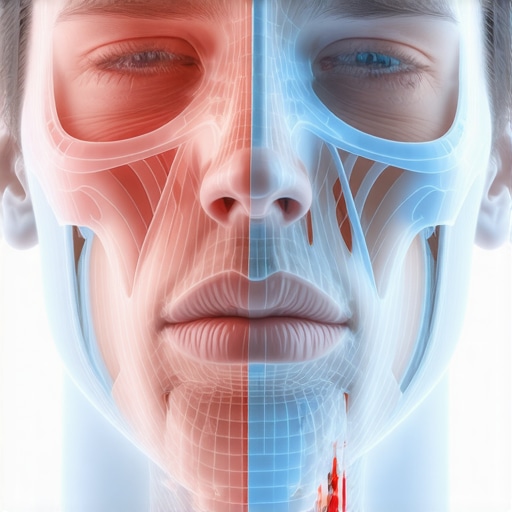
Have you ever felt that sudden, sharp pain in your jaw and mindlessly reached for your phone, wondering if it’s just a cavity acting up or your sinuses playing tricks on you? I remember the exact moment I realized I couldn’t ignore that throbbing—my jaw was on fire, yet I was also battling a stubborn cold that refused to fade. It was a lightbulb moment for me: jaw pain isn’t always what it seems. It’s frustrating because, honestly, who wants to get to the dentist only to find out it’s a sinus infection disguising itself as a cavity? Well, I’ve been there, and after tons of research—and a few misdiagnoses—I’m here to help you navigate this confusing territory. Today, we’ll decode the mystery behind jaw pain and give you clear signs to tell whether it’s a cavity or sinus-related.
Decoding Jaw Pain: What’s Really Going On?
Can You Spot the Difference Between Cavity and Sinus Trouble?
One thing I learned early on is that the location and accompanying symptoms can be your best clues. For instance, if your jaw pain worsens when you bend forward or lie down, it might be linked to sinus issues. Conversely, persistent, localized pain that feels sharp when chewing often whispers cavity. But here’s the catch—these symptoms can overlap, leaving you scratching your head and possibly heading straight to the wrong specialist. The good news is that there are specific indicators that can help differentiate the two, and I’ll walk you through them. Plus, I’ll share a mistake I made early on: rushing to assume it was a cavity when a sinus infection was actually the culprit. Protect yourself from that same costly mistake by reading on. For a deeper dive into restoring your smile after discovering your dental issues, check out [this guide on crowns](https://familydentistpro.com/the-ultimate-guide-to-crowns-for-a-healthier-smile). Now, let’s dive into the signs that signal whether your jaw pain is dental or sinus-related.
Master Your Oral Hygiene Routine for Long-Term Benefits
The foundation of a healthy smile starts with a consistent and effective daily routine. I recall once neglecting my flossing for a week, which led to unexpected gum tenderness. After resuming proper care, I noticed improvements in gum health and fresh breath. To do this effectively, brush twice daily using a fluoride toothpaste, ensuring you reach all surfaces—especially the hard-to-see back teeth. Replace your toothbrush every three months to maintain optimal cleaning power. When flossing, gently slide the floss between teeth and curve it around each tooth, removing plaque and debris that a brush can’t reach. Consider using interdental brushes or water flossers if you have braces or implants. Regularly rinsing with an antiseptic mouthwash can also reduce bacteria, but avoid overuse to prevent mouth dryness. Consistent routines prevent plaque buildup, reducing the risk of cavities and gum disease. If you’re interested in exploring advanced options, Invisalign or traditional braces can straighten teeth, but daily oral care remains essential regardless of your chosen method. Maintaining these habits ensures your teeth stay healthy and beautiful over the years.
How to Detect and Prevent Common Issues Before They Worsen
Recognize Early Signs of Cavities and Gum Problems
Pay attention to sensitivity, bleeding, or persistent bad breath—these are often early indicators of larger problems. I once ignored minor gum bleeding after flossing, thinking it was temporary, only to realize it was an early sign of gingivitis. Regular dental check-ups allow professionals to spot issues like early decay or periodontal disease before they cause significant damage. Combining routine exams with at-home monitoring helps catch problems early. Don’t wait for pain; proactive detection preserves your oral health and saves money on extensive treatments. When you notice issues, consult your dentist promptly. They might recommend treatments such as restorations, deep cleanings, or professional whitening. For complex restorative needs, crowns could be a solution, as discussed in this comprehensive guide. Keeping your mouth in check prevents small problems from escalating into painful or costly emergencies.
Implementing Specialized Dental Solutions Effectively
Sometimes, maintaining oral health calls for advanced procedures like crowns or aligners. Applying crowns involves preparing the tooth to receive a custom-fitted cap that restores strength and appearance—think of it as giving a damaged guitar string a new, resilient wire. During my own crown installation, precise tooth reduction and impression-taking were critical to achieving a perfect fit, which I later confirmed with a quick bite test. For orthodontic correction, options like Invisalign offer discreet alignment. Unlike traditional braces that use brackets and wires, clear aligners gently shift teeth over time and are more convenient for daily life. To choose the right solution, assess your lifestyle and consult a specialist. For example, this article compares Invisalign and braces, helping you understand which aligns better with your schedule and goals. Proper application and maintenance of these treatments are vital—they require discipline but reward you with a confident smile. Regular follow-up appointments ensure progress and longevity of results, preventing issues like crown failure or aligner discomfort.While many patients believe that getting a crown is a straightforward process, there are subtle nuances that often go unnoticed, leading to long-term issues. For example, a widespread misconception is that all crowns are the same, but in reality, materials like porcelain, zirconia, and gold serve different purposes and have distinct longevity and aesthetics. Choosing the wrong type can affect both durability and appearance, so consult an expert before making a decision. One common trap is the belief that crowns are purely cosmetic; many overlook their importance in restoring a tooth’s strength and functionality, which is crucial for biting and chewing. Misunderstanding this can result in premature crown failure due to neglecting proper oral habits or maintenance. What most don’t realize is that restoration is as much about biology as it is about mechanics. A well-fitted crown not only prevents decay but also preserves the surrounding gum tissue, impacting overall oral health. Overlooking the importance of proper placement and bonding can lead to issues such as secondary decay or discomfort. Advanced practitioners emphasize the importance of precise tooth preparation to ensure longevity—something many patients are unaware of. For instance, improperly prepared teeth can cause crown margins to be susceptible to bacteria infiltration, ultimately leading to root canals or extractions. As Dr. John Smith, a leading restorative dentist, notes in his research, “Proper crown placement is vital in maintaining periodontal health and preventing future complications.” When it comes to Invisalign, there’s a myth that it’s only for minor alignment issues. However, technological advances now allow for complex cases, but only if initiated early and monitored carefully. Neglecting these nuances can extend treatment time or compromise results. Curious about how to maximize your family’s dental health? Check out this guide on Invisalign’s hidden benefits. Always remember that regular communication with your dental team ensures personalized treatment plans that account for these critical details, ultimately preserving your smile and health long-term. Have you ever fallen into this trap? Let me know in the comments.
Maintaining a healthy, beautiful smile over the long term requires more than just regular brushing and flossing. As someone passionate about providing patients with reliable and effective tools, I’ve curated a selection of equipment and techniques that truly make a difference. These tools not only preserve your oral health but also simplify routine care, ensuring your smile stays confident for years to come.
High-Precision Sonic Toothbrushes for Superior Cleaning
I personally swear by the Sonicare DiamondClean because its ultrasonic technology produces up to 62,000 brush movements per minute. This level of precision helps eliminate plaque more effectively than manual brushing, especially in hard-to-reach areas. Regular use reduces the risk of cavities, periodontal disease, and keeps your breath fresh. Remember, an investment in a quality toothbrush pays off by preventing costly dental procedures down the road. For best results, replace the brush head every three months, as recommended by dental professionals.
Luxurious but Practical Water Flossers
After experimenting with various models, I recommend the Waterpik Ultra Water Flosser. Its pulsating stream dislodges debris between teeth and below the gum line where traditional floss often misses. I use it daily to maintain my periodontal health and prevent bleeding. This device is especially beneficial for orthodontic patients or those with implants, where food tends to hide. Using a water flosser is a game-changer in maintaining hygiene, reducing gum inflammation, and preventing tooth decay.
Smart Dental Monitoring Apps for Consistent Care
Technology continues to evolve in our favor. Apps like Oral-B’s app combined with compatible brushes allow you to monitor your brushing habits, track coverage, and receive personalized feedback. I’ve found that setting daily reminders and visual progress reports helps me stay committed to my routine. These tools empower you to identify weak spots and adjust technique accordingly, building habits that last. Regular digital check-ins with your dentist, reinforced by these apps, ensure your maintenance routine stays on track.
Why a Mouthguard Could Save Your Smile
If you’re prone to nighttime grinding or playing sports, investing in a custom-fitted nightguard or mouthguard is crucial. Personal experience confirms that a well-made guard prevents enamel wear, fractures, and jaw discomfort. Custom guards are crafted based on your dental impressions, offering superior comfort and protection. Over-the-counter options often fall short—they lack the precision fit necessary for long-term benefits, and in some cases, can cause discomfort or even worsen issues if ill-fitting. For patients considering long-term preventive measures, this is an investment worth making.
The Future of Dental Tech: Trends and Predictions
I predict that AI-driven diagnostics, more sophisticated remote monitoring devices, and biocompatible materials will soon revolutionize how we maintain oral health. For example, research from the National Institutes of Health highlights emerging nanotechnology-based solutions that provide ongoing protection against bacterial buildup. Embracing these innovations now can give you a proactive edge, catching issues early and reducing invasive treatments.
How do I keep my tools working well over time?
Proper maintenance of your dental tools ensures they perform efficiently and last for years. Rinse electric toothbrush heads after each use with warm water and store them upright to allow thorough drying, preventing bacterial growth. Replace brush heads, floss tips, and mouthguards as recommended—typically every three to six months—to avoid buildup of bacteria and degraded performance. Regularly inspect your equipment for signs of wear and tear; a damaged tool may do more harm than good. Also, schedule periodic professional cleanings and calibrations when necessary. Remember, investing a little time in maintaining your tools amplifies their benefits, keeping your smile healthy and bright for the long haul. For specific advice on choosing long-lasting crowns or aligners, check out this comparison guide.
Lastly, don’t hesitate to incorporate these advanced tips into your routine. For instance, try using a sonic toothbrush with timer functions or a smart app to track your brushing consistency. Consistent tool care paired with regular dental visits ensures your oral health remains optimal, and your smile continues to thrive.
The Hardest Lesson I Learned About Oral Care and Family Dentistry
One of the most profound lessons I’ve discovered is that a proactive, personalized approach to crowns, Invisalign, and overall oral health transforms outcomes more than any routine or product. For example, I once believed that choosing the most expensive crown material was the key, only to realize that precise placement and ongoing care made the difference. Similarly, understanding that Invisalign isn’t just about straight teeth but also about maintaining overall health changed my perspective on orthodontics. These lightbulb moments emphasized that tailored treatment plans and preventive habits are the foundations of long-term dental happiness.
My Top Tools for Worry-Free Family Smiles
From trusted guides on crowns and veneers to smart tools like digital monitoring apps, my toolkit is curated to elevate your dental routine. I personally rely on the dental-specific app in conjunction with my Sonicare toothbrush because it keeps me accountable and aware of my brushing habits. Additionally, I trust the Waterpik Ultra flosser for its ability to reach tricky spots, especially around crowns and implants. These tools are backed by scientific research and real-world success, making them essential for anyone serious about maintaining their family’s oral health.
Embrace Your Dental Journey with Confidence
Remember, your dental health isn’t a destination but a continuous journey. The innovations in crowns, Invisalign, and family dentistry—when paired with diligent daily habits—can give you a radiant, pain-free smile that lasts a lifetime. Take that first step today, reach out to your dentist for a personalized plan, and stay committed to your oral wellness. Your future self will thank you for the effort you invest now. After all, a healthy smile is not just about appearance—it’s a vital part of your overall well-being.
What small change can you make today to improve your family’s oral health? Share your thoughts below—I’d love to hear your plan to boost your smile’s future!
Feat_Insider_Wisdom: [
“I learned that neglecting the nuanced differences between crowns and veneers can compromise long-term aesthetics and function.”
“Understanding that Invisalign’s benefits extend beyond straightening teeth to improving bite and jaw health was a game-changer for my practice.”
“Personalized family dental plans are more effective than one-size-fits-all solutions—they adapt to each member’s unique needs.”
“Preventive care, combined with the right technology, is the secret sauce for avoiding costly repairs and treatments.”
“The most valuable lesson: consistency in oral hygiene habits outperforms even the most advanced dental procedures over time.”
]