
How to tell if your toothache is actually a sinus infection
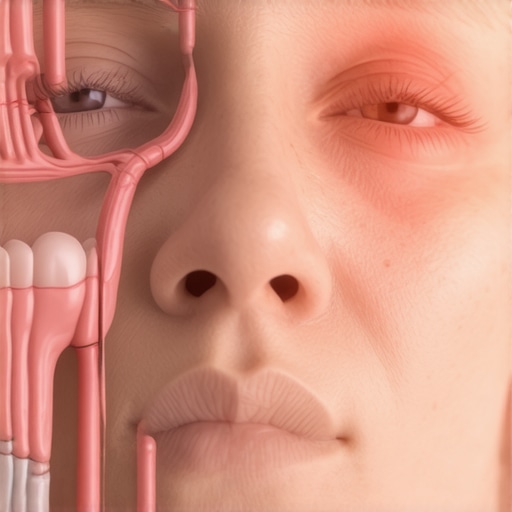
I remember the moment vividly—waking up with a dull, persistent ache in my upper teeth that seemed to cluster around my sinus area. At first, I brushed it off as a minor tooth sensitivity, maybe from my recent late-night snacking. But as days went by, the pain intensified, and I found myself questioning whether this discomfort was truly dental or something else entirely. Sound familiar? You’re not alone in this confusing dance between tooth pain and sinus issues.
Deciphering the Mysterious Pain: Toothache or Sinus Infection?
Many people experience symptoms that blur the line between dental problems and sinus infections. The key is understanding the underlying cause of your discomfort. Sinus infections, or sinusitis, can often mimic tooth pain because the roots of your upper teeth are very close to your sinus cavities. When your sinuses are inflamed, they can put pressure on these roots, causing pain that feels remarkably like a toothache.
Did you know that according to the American Dental Association, upper rear molars are especially prone to this confusion because their roots are located near the maxillary sinuses? This close proximity makes it easy to misdiagnose sinusitis as dental decay or gum issues.
Early in my own experience, I made the mistake of immediately jumping to a dental cavity diagnosis, rushing into unnecessary fillings. It wasn’t until I realized that my symptoms worsened when I bent over or had a cold breeze in my face that I understood I was dealing with a sinus problem. This mistake cost me time, money, and unnecessary discomfort, and it taught me the importance of properly distinguishing between the two.
Knowing whether your pain stems from a sinus infection or dental issue is crucial because treatments differ significantly. While a cavity may require a filling or a crown, sinusitis might be better addressed with decongestants, nasal sprays, or even antibiotics if infection persists. Misdiagnosing can lead to ineffective treatments and prolonged suffering.
Have you ever experienced this kind of confusing pain? Recognizing the signs early can save you unnecessary procedures and help you get relief faster. In the next sections, we’ll explore practical steps to accurately identify your pain source, so stay tuned for guidance that can make all the difference in your oral and sinus health.
Test the Pain’s Triggers
Start by observing when your pain worsens. For example, I once noticed my symptoms intensified when I bent over or sneezed, a clear sign pointing to sinus pressure rather than a dental issue. To do this systematically, try bending forward or inhaling cold air and note any increase in discomfort. If these actions trigger pain, it’s likely sinus-related. Record your observations to share with your dentist or ENT specialist, which can streamline diagnosis.
Check for Other Symptoms
Identify accompanying signs like nasal congestion, stuffy nose, or facial pressure—common with sinus infections. Conversely, persistent tooth sensitivity to hot or cold liquids, especially when biting or chewing, indicates dental problems. For instance, I found that applying gentle pressure with my finger on the painful area helped determine if the pain was deep within the tooth or more diffuse. Document these symptoms carefully; they are crucial in differentiating issues.
Perform a Gentle Self-Examination
Examine your mouth visually for signs of dental decay or gum disease—swollen gums, visible cavities, or broken fillings. Use a mirror and a flashlight for improved visibility. Be cautious to avoid causing further irritation. When I personally tried inspecting my upper molars, I noticed a faint discoloration near the gum line, which suggested a cavity. However, if no visible signs are present, but pain persists, consider sinus causes.
Use Over-the-Counter Remedies Wisely
Apply decongestants or saline nasal sprays if sinus symptoms are suspected. Observe if the pain diminishes after using these. I tried a saline spray during my confusion and felt relief when pain eased, confirming sinus involvement. Remember, these can provide temporary relief and are not substitutes for professional diagnosis. Be sure to follow usage instructions carefully.
Seek Professional Evaluation When in Doubt
Schedule an appointment with your dentist or healthcare provider if symptoms persist. Bring your recorded observations to help them distinguish between dental and sinus issues quickly. For example, during my visit, sharing my symptom log helped my dentist decide whether an x-ray was necessary or if a referral to an ENT was appropriate. Professional assessment is the only way to avoid unnecessary treatments like crowns or fillings if the cause isn’t dental.
In cases where dental problems are confirmed, options like crowns can restore damaged teeth, improve oral health, and prevent further decay. Visit the detailed guide on why crowns are essential in restorative dentistry to understand their long-term benefits. Conversely, if sinusitis is diagnosed, appropriate treatments such as antibiotics or nasal irrigation can alleviate symptoms effectively.
 Many patients believe that all dental treatments are one-size-fits-all, which is far from the truth. For example, some assume that Invisalign works equally well for everyone, but the reality is nuances like bite type and jaw structure influence its effectiveness. Many overlook that crowns are not just cosmetic; they can significantly enhance functional health when chosen correctly, as discussed in [the ultimate guide to crowns](https://familydentistpro.com/the-ultimate-guide-to-crowns-for-a-healthier-smile). The misconception that any crown will do can lead to long-term issues, including bite misalignment and gum irritation. Additionally, there’s a myth that dental restorations like crowns are purely for aesthetics. However, modern crowns are engineered to restore strength and prevent further decay, especially when bonded with durable materials. It’s critical to choose the right type of crown for your specific needs, which is why consulting with an expert is essential; more advice can be found in [Choosing the right crown](https://familydentistpro.com/choosing-the-right-crown-expert-advice-for-long-lasting-results). People often underestimate the importance of early intervention for minor issues, thinking small cavities or slight misalignments aren’t urgent. But delaying treatment can escalate complications, leading to more extensive procedures later. This ties into the misconception that family dentistry is only about kids or simple cleaning; in fact, a comprehensive approach can prevent complex problems. For more on preventive strategies, visit [family dentistry secrets](https://familydentistpro.com/family-dentistry-secrets-maintaining-oral-health-with-modern-techniques-at-254-pm). Additionally, many believe that the cost of advanced treatments like Invisalign or crowns isn’t justified, but studies show that investing in proper orthodontics and restorations can save money long-term by avoiding more invasive procedures. Surprisingly, some assume that once oral health is restored, regular check-ups become unnecessary. Yet, routine visits are vital for catching hidden issues early, especially since many problems remain asymptomatic until advanced stages—highlighted in [top oral health tips](https://familydentistpro.com/top-oral-health-tips-for-your-familys-bright-smiles). An often-overlooked nuance is the design of dental restorations; improper fit can cause uneven wear or biting issues, which is why precision matters. As highlighted in [restorative dentistry insights](https://familydentistpro.com/why-crowns-are-a-game-changer-in-restorative-dentistry), selecting experienced professionals ensures optimal outcomes. Ultimately, understanding these subtleties and debunking myths can lead to better health decisions. Have you ever fallen into this trap? Let me know in the comments.Maintaining your oral health isn’t just about regular brushing and flossing; it involves utilizing the right tools and methods to ensure your smile stays healthy and beautiful over the years. I personally rely on a combination of high-quality electric toothbrushes, interdental cleaners, and advanced whitening systems to keep my teeth in top condition. For instance, I swear by the Philips Sonicare DiamondClean, which offers superior plaque removal and gum health benefits, thanks to its sonic technology and custom brushing modes. Incorporating a water flosser like the Waterpik Aquarius has also been a game changer, especially for cleaning around crowns and braces, as it reaches areas traditional floss can’t always access effectively. When it comes to long-term results, consistency and choice of equipment are crucial. Using a fluoride rinse daily, such as ACT Restoring Mouthwash, helps strengthen enamel and prevent decay, particularly in hard-to-reach molars. Additionally, I invest in an at-home whitening kit with LED light technology, which helps maintain brightness without frequent visits to the dentist. Looking ahead, the trend toward smart dental devices is set to transform home care. Imagine toothbrushes that monitor your brushing habits and sync data to your smartphone, encouraging better routines and early detection of issues. These innovations not only make maintenance more efficient but also empower you to stay proactive about your dental health. Remember, proper maintenance tools are only part of the equation; regular professional check-ups are essential to identify hidden problems early. Experts emphasize that combining advanced tools with routine dental visits can significantly extend the lifespan of crowns, implants, and orthodontic appliances, ensuring they perform optimally for years. For example, a recent study by the Journal of Prosthetic Dentistry highlights that patients using customized interdental brushes experienced fewer complications around crowns and bridges. Don’t hesitate to invest in quality tools—your future self will thank you. Try incorporating a water flosser into your daily routine this week and observe how much easier it becomes to maintain those hard-to-clean areas. Keeping your tools well-maintained and using them correctly will make a noticeable difference in your smile’s longevity and overall oral health.When I first started exploring the complex world of family dentistry, I quickly realized that my greatest lessons came not from textbooks, but from personal experiences and honest mistakes. One significant insight was understanding how crucial precise diagnostics are—mistakes like misinterpreting sinus pain as a dental cavity can lead to unnecessary treatments, adding stress and expense. This taught me the importance of listening to subtle symptoms and trusting professional assessments over assumptions. I also discovered that embracing advanced tools, like high-quality crowns or Invisalign, isn’t just about aesthetics but about restoring long-term health and function—something I wished I had prioritized earlier. Learning from seasoned experts and curated resources, such as [the ultimate guide to crowns](https://familydentistpro.com/the-ultimate-guide-to-crowns-for-a-healthier-smile), has profoundly shaped my approach. Ultimately, the biggest lesson is to view your dental journey as a partnership—attentive, informed, and proactive—because your smile’s health deserves nothing less. Making the decision to seek regular, comprehensive care can transform your confidence and well-being in ways you never anticipated. So, what hidden lessons have you learned on your own oral health path? I’d love to hear your stories and insights in the comments below.