
How to tell if your wisdom teeth are finally coming in
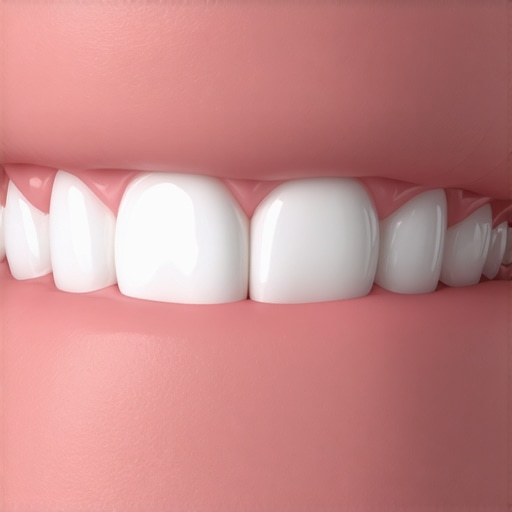
I’ll never forget the week I spent convinced I’d somehow developed a sudden, localized allergy to chewing. Every bite of my favorite sourdough bread felt like a personal insult to my back molars. I was in my early twenties, supposedly past the age of ‘growing pains,’ yet there I was, poking my gums with my tongue like a curious toddler. At first, I tried to convince myself I just had a dull ache from sinus pressure, but the throbbing had a different rhythm. It was deeper. More stubborn. It turns out, my third molars were finally making their grand, albeit uninvited, entrance. I made the classic mistake of waiting it out, thinking the discomfort would just vanish, only to end up needing an emergency visit because I couldn’t even close my mouth properly.
Your Jaw is Trying to Tell You Something
We often think of wisdom teeth as a teenage milestone, but they love to surprise us well into our twenties. Ignoring these signs isn’t just about enduring a bit of soreness; it’s about protecting the investment you’ve made in your family’s oral health. If you’ve ever spent months or years perfecting your smile with Invisalign or traditional braces, the last thing you want is a set of rogue molars pushing everything out of alignment. The ‘why’ behind this matters right now because catching them early means a simpler recovery and less risk of damaging neighboring teeth. Have you noticed a strange pressure in the back of your jaw lately, or perhaps a bit of swelling that won’t go away?
Is this actually worth the worry or am I just being dramatic?
It is easy to dismiss a little gum irritation as a fluke. Maybe you think you just scratched your mouth on a chip. However, according to the American Association of Oral and Maxillofacial Surgeons, about 85% of wisdom teeth eventually need to be removed to avoid crowding or infection. This isn’t just ‘dental hype.’ When those teeth are impacted, they can lead to cysts or even damage the roots of your healthy molars. I learned the hard way that a little proactive checking is much better than trying to find ways to stop tooth pain on vacation because you ignored the initial warning signs. Today, we are going to break down exactly how to differentiate between a temporary irritation and the real-deal arrival of your wisdom teeth.
Identify the Pressure Before it Becomes Pain
The first thing you’ll likely feel isn’t a sharp sting, but a heavy, persistent pressure. It feels like your jaw is slightly too small for your mouth. You might even mistake it for a cold or a sinus infection because the upper wisdom teeth sit so close to your sinus cavities. When mine came in, I actually felt it in my ears first. It was a bizarre, radiating warmth that made me think I had an ear infection. But when I looked in the mirror and saw the gums at the very back looking puffy and dark red, the reality set in. Protip: if your gums look like they are forming a small flap or pocket, that is a major red flag that a tooth is trying to break through.
Run the Finger Test on Your Gums
Before you call the dentist in a panic, do a quick manual check. Wash your hands thoroughly and gently slide your index finger to the very back of your mouth, behind your last visible molar. You are looking for a hard, bony protrusion or a fleshy flap of skin. This flap, known as an operculum, is a prime real estate for bacteria. If it feels tender or if you’ve recently struggled with removing a stuck popcorn kernel from that exact spot, it’s a sign the tooth is partially erupted. This partial breakthrough is the most dangerous stage because it’s nearly impossible to keep clean with a standard toothbrush.
Look for Sudden Changes in Your Smile
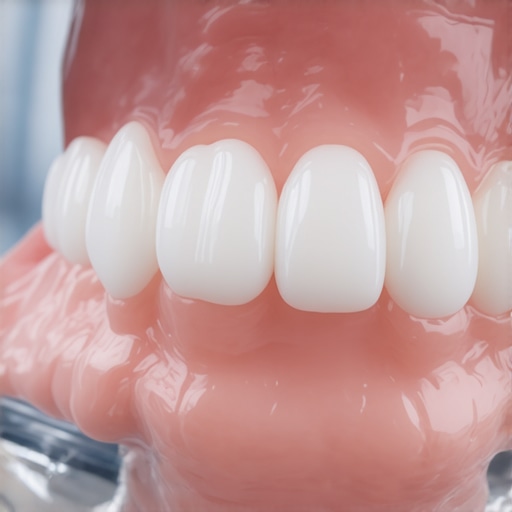
Wisdom teeth don’t just grow upward; they often grow forward, acting like a slow-motion wrecking ball for the rest of your teeth. I remember looking in the mirror one morning and noticing my two bottom front teeth, which had been perfectly straight for years, were suddenly overlapping. It felt like my mouth was shrinking. If you’ve invested time in seeing how Invisalign transforms smiles, you need to be hyper-vigilant. Any new crowding is a signal that the pressure from the back is winning the tug-of-war. Check your floss—if it’s suddenly getting stuck or shredding in places where it used to glide easily, the teeth are moving.
Keep the Pain at Bay While You Wait
Once you’ve confirmed the pressure is real, you need a survival strategy until your appointment. The throbbing usually peaks at night when you lie down because blood flow increases to the head. To combat this, sleep with your head slightly elevated. I once spent three nights propped up on a mountain of pillows just to get four hours of shut-eye. You can also use a warm salt water rinse three times a day. This isn’t just an old wives’ tale; the salt helps dehydrate the bacteria in those hard-to-reach gum pockets. It won’t move the tooth back, but it will prevent the inflammation from turning into a full-blown infection that could require modern dental techniques to resolve.
Don’t Ignore the Steak Test
The meat of the problem often reveals itself during dinner. I’ll never forget trying to enjoy a celebratory steak dinner only to realize I could only chew on one side of my mouth. The back-left corner of my jaw felt like it was being pried open with a lever. When your wisdom teeth are coming in at an angle, they create a gap that acts like a vacuum for fibers. If you find yourself constantly needing the move to stop food from trapping in the very back, your molars are likely tilting. This tilting isn’t just annoying; it creates a food trap that can lead to a cavity on the healthy tooth next to the wisdom tooth. Using a water flosser on a low setting can help clear the debris, but it’s a temporary fix for a structural problem.
Schedule Your Professional Baseline
You cannot see what is happening beneath the surface without a panoramic X-ray. Even if the pain subsides—which it often does as the tooth settles into a temporary position—the underlying issue remains. Proactive care is the cornerstone of family oral health tips. A dentist can tell if the tooth is impacted or if it has enough room to fully emerge. I waited until I had a fever and a swollen cheek, which turned a routine extraction into a much more complex procedure. Don’t wait for the red alert signs like a locked jaw or visible pus. If you can’t sleep through the night, you need to learn the move to stop a toothache and then get into the chair as soon as possible.
Straight Teeth Save You from Future Tooth Loss
Everyone seems to think that orthodontics is a vanity project reserved for teenagers or those looking for a perfect Instagram smile. But in my years of looking at dental records, I’ve seen a much harsher reality: straight teeth are a structural necessity, not just a cosmetic choice. When your teeth are misaligned, your bite force isn’t distributed evenly across your jaw. You’re effectively hammering away at specific teeth every time you chew, which leads to micro-fractures and, eventually, the need for expensive restorative work. I’ve seen many Invisalign myths debunked by patients who finally realized their crooked teeth were actually the root cause of their chronic jaw pain and frequent chips.
Can a minor misalignment really destroy a healthy tooth?
The short answer is yes. We often look at dental health as a series of isolated events—a cavity here, a cleaning there. However, family dentistry secrets often revolve around the hidden biomechanics of the mouth. A study in the Journal of the American Dental Association highlights that malocclusion significantly increases the risk of tooth wear and periodontal issues over time. This is the hidden nuance most people miss. If you ignore a slight shift in your bite, you are essentially signing up for a crown ten years down the line. It’s why Invisalign transforms family dentistry; it is a tool for longevity, not just aesthetics.
The Traps to Avoid with Restorative Work
One of the biggest oops factors I encounter is the settling myth. People get a new crown or a bridge and think, ‘It feels a bit tall, but I’ll get used to it.’ This is a dangerous mistake that can lead to nerve damage. If you don’t address how to stop your new crown from feeling too high, you risk bruising the periodontal ligament or even causing a root fracture. A crown should feel like it was always part of your mouth. If you’re constantly shifting your jaw to find a comfortable resting position, you’re inviting TMJ issues and further enamel erosion on your healthy teeth. Have you ever fallen into this trap of waiting out a dental discomfort only to have it get worse? Let me know in the comments.
Why Crowns Aren’t Just Overpriced Fillings
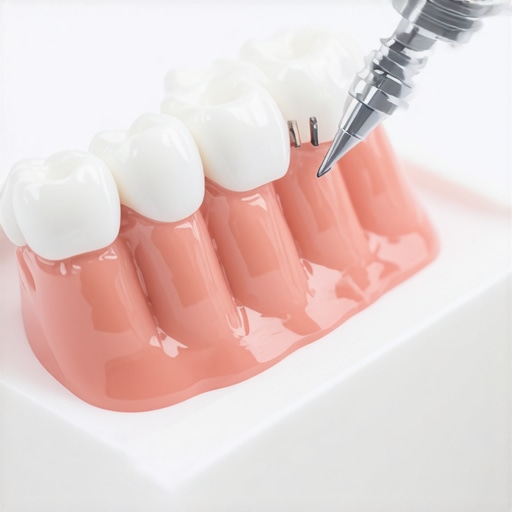
Many patients get frustrated when they are told they need a crown instead of a simple filling. They often think it’s a matter of the dentist wanting a bigger payday. However, why crowns are a game changer is all about hoop strength. A filling sits inside a tooth and can actually act like a wedge, splitting the tooth further under the intense pressure of chewing. A crown circles the entire tooth, holding it together like the metal hoops on a wine barrel. It’s the difference between patching a cracked wall and installing a structural support beam. When you understand the engineering behind top oral health tips, you start to see these procedures as investments in keeping your natural teeth for a lifetime rather than just fixing a hole.
Once you’ve invested in structural repairs like crowns or realignment via Invisalign, the focus shifts from ‘fixing’ to ‘preserving.’ I used to think a standard toothbrush and some grocery-store floss were enough, but I was wrong. My game changed when I started looking at my mouth as a precision machine that requires specific maintenance protocols. If you aren’t using a water flosser yet, you are leaving your dental health to chance. I personally swear by the Waterpik Aquarius because it reaches into the nooks that traditional floss simply skips, especially when you need to master the move to stop a crown from trapping food during a heavy meal. It’s not just about comfort; it’s about preventing the localized inflammation that leads to bone loss around your expensive dental work.
Equip Your Bathroom Like a Professional Dental Op
The tech you use daily is the single biggest predictor of whether your dental work lasts ten years or thirty. I’ve found that the Philips Sonicare ProtectiveClean 6100 is a non-negotiable for anyone with sensitive dental work. Why? Because it has a built-in pressure sensor that pulses if you press too hard. According to clinical trials documented by the American Dental Association (ADA), electric toothbrushes with oscillating-rotating or sonic technology can reduce plaque by up to 21% more than manual brushing over a three-month period. When you combine this with family dentistry secrets maintaining oral health, you create a defensive barrier that bacteria can’t easily penetrate.
How do I maintain my dental results over the long term?
Consistency is the obvious answer, but the real secret is the ‘deep clean’ routine you do once a week. For my Invisalign users, you need to be religious about removing biofilm. I recommend using specialized cleaning crystals or a dedicated ultrasonic cleaner for your trays. If you’ve noticed your trays becoming cloudy, you should learn how to clean the gunk out of your invisalign aligners without using abrasive toothpastes that create microscopic scratches where bacteria love to hide. This same logic applies to night guards; knowing the easiest way to clean a night guard prevents you from re-introducing harmful pathogens into your mouth every single night.
The Future of Home Oral Health Monitoring
I predict that within the next five years, we won’t just be brushing; we’ll be scanning. We are already seeing the beginning of this with Invisalign innovations that use AI to track tooth movement via smartphone photos. This trend of ‘Teledentistry’ will expand into home kits that can test your saliva for specific bacterial markers before a cavity even forms. It’s an exciting shift toward truly preventative care. In the meantime, your best defense is a proactive offense. I want you to try this today: swap your manual floss for a high-quality water flosser for just one week. The difference in how your gums feel—and how clean your crowns stay—will be immediate. If you’re ready to take the next step in your smile journey, check out our top oral health tips or reach out to us at our contact page to schedule a professional baseline scan.
The Reality of Dental Prevention That Most People Ignore
After years of seeing patients walk through the clinic doors, I’ve noticed a pattern: the people with the healthiest smiles aren’t necessarily the ones with the ‘best’ genes, but the ones who understand that dental care is a structural game. One major lightbulb moment for many is realizing that proactive alignment isn’t just for kids. Deciding between Invisalign vs braces which solution fits your lifestyle is actually a functional decision that prevents your teeth from grinding themselves down over time. Another hard lesson? A crown is a protective investment, and understanding why crowns are a game changer helps you see them as a shield that prevents tooth loss rather than just a ‘big filling.’ Finally, remember that your mouth is an ecosystem; ignoring a small pocket of inflammation today often leads to a complex restorative case tomorrow. It is much easier to maintain your family oral health when you treat your dental checkups as a baseline for your overall longevity.
The Gear I Actually Use Every Single Morning
I am often asked what products I personally use to keep my own dental work in top shape. First, I never skip a night with my custom night guard, and I always keep it fresh by knowing the easiest way to clean a night guard to avoid bacterial buildup. Second, I trust a high-pressure water flosser specifically to clear the margins around any restorations. Third, I recommend keeping a pack of interdental brushes in your car or bag; they are the most effective way to clear debris when you are on the go and can’t reach your sink. These tools are the foundation of modern techniques for maintaining oral health and will save you thousands of dollars in the long run.
#IMAGE_PLACEHOLDER_E#
Commit to Your Smile Today
Your journey to a lifetime of healthy teeth doesn’t have to be overwhelming. It starts with one small change—whether that is booking your long-overdue cleaning or finally asking about that slight shift in your bite. Investing in your family oral health is one of the few things that pays dividends every single time you eat, speak, or smile. You deserve a mouth that functions perfectly and looks great. If you have questions about your specific situation, feel free to reach out to us through our contact page to get the conversation started. Have you ever dismissed a minor toothache only for it to turn into a weekend emergency? Let me know your story below.