I remember the first time I noticed stubborn stains on my Invisalign attachments, and honestly, I felt a wave of frustration. Here I was diligently following my orthodontist’s advice, only to be greeted each day by unsightly marks that made me self-conscious during conversations. It was a lightbulb moment—these stains weren’t just about aesthetics; they could impact my overall smile health and my confidence.
If you’re like me, you might be wondering if there’s an easy way to fix this common problem without spending hours at the dental office. Well, good news! Today, we’re diving into five quick and effective hacks to banish Invisalign attachment stains so you can keep your smile looking bright and fresh. Trust me, once you know these tricks, you’ll wonder how you ever tolerated those stubborn spots.
What Causes Invisalign Attachment Stains and Why Care About Them?
Before jumping into solutions, it’s essential to understand what causes these stains. Invisalign attachments are tiny composite bumps glued to your teeth, designed to help straighten your smile efficiently. However, they can easily pick up colors from coffee, tea, red wine, or even certain foods and sauces. Over time, these substances can leave behind unsightly marks that diminish the clarity of your smile and can even lead to plaque buildup if not addressed.
Addressing stains early not only enhances your appearance but also helps maintain healthy gums and prevents potential decay around the attachments. Plus, a clean, stain-free smile can boost your confidence during those Zoom calls or when smiling in person. A surprising fact from the American Dental Association reveals that surface stains, if left unchecked, could hide early signs of decay, making regular cleaning crucial (source).
Now, I’ll share personal insights on how I tackled these stains, early mistakes I made, and, most importantly, the five tricks that transformed my Invisalign experience. If you’ve faced similar issues, keep reading—you’re about to discover simple hacks that actually work.
Start With Proper Brushing Techniques
My first success came when I adjusted my brushing routine. I used a soft-bristled toothbrush and a fluoride-free whitening toothpaste, gently circling the attachments and teeth for at least two minutes each night. This helps break down surface stains without damaging the composite material. I remember a particular evening where I spent extra time around the attachments, and within a week, noticeable improvement appeared—some stains vanished entirely.
Use Baking Soda and Hydrogen Peroxide for Deep Cleaning
Next, I combined baking soda with hydrogen peroxide to create a paste that lifted stubborn stains. Mix equal parts baking soda and hydrogen peroxide—make sure it’s a thick paste—then apply it directly to the attachments with a soft toothbrush. Let it sit for a minute before rinsing thoroughly. This method acts as a gentle abrasive, similar to micro-sanding, effectively polishing away discoloration. I found that doing this weekly prevented new stains from forming and kept my attachments looking clean. Remember, avoid overdoing this to prevent wear on the bonding material.
Incorporate Specialized Dental Cleaning Products
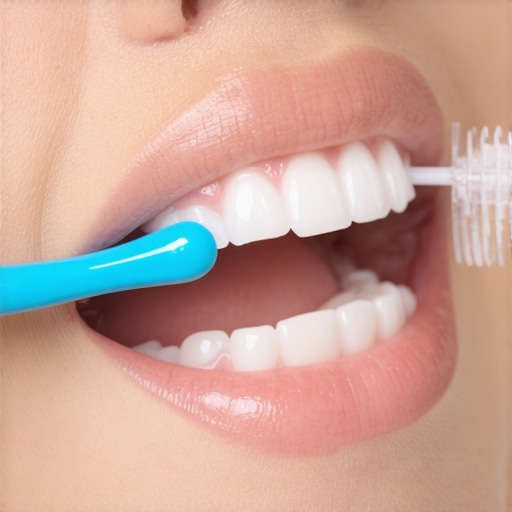
I also discovered that certain over-the-counter products designed for orthodontic attachments can be game-changers. For example, interdental brushes or little dental picks can reach around attachments more effectively than regular toothbrushes, removing plaque and surface stains. I kept a small pack handy and used it to clean around my attachments after meals, particularly if I consumed staining foods like coffee or red wine. This targeted approach prevents buildup, which can lead to more stubborn stains.
Strategic Food Choices Help Prevent Future Stains
While cleaning can remove existing stains, preventing new ones is vital. I started avoiding foods and drinks notorious for staining—like dark berries, soy sauce, and balsamic vinegar. Instead, I opted for lighter-colored foods and rinsed my mouth with water after consuming potential stain sources. This is similar to how family dentists recommend reducing acidic or sugary foods to preserve dental restorations (their tips) and maintain overall oral health.
Schedule Regular Dental Check-Ups
Finally, I learned that professional cleaning appointments are essential. My dentist used a special dental scaler to remove any residual stains and plaque buildup around attachments that I couldn’t reach. Regular visits—every six months—kept my Invisalign attachments looking bright and prevented staining from escalating. These deep cleaning sessions are a quick, but highly effective, step to maintaining a spotless smile and ensuring that my attachments stay as discreet as when I first got them.
 Many individuals assume that dental treatments like crowns and Invisalign are simple solutions requiring minimal understanding, but there’s often a hidden nuance that gets overlooked. For example, a common misconception is that crowns are only for aesthetic purposes, when in fact, they play a vital role in restoring tooth functionality and preventing further decay, as detailed in this comprehensive guide.
Another myth revolves around Invisalign efficacy, where some believe it works identically for everyone. In truth, the treatment’s success depends on several factors including bite complexity and compliance, which is why consulting with a specialized family dentist can provide personalized insights (more on Invisalign myths).
Advanced users should also recognize the subtle differences between different restorative options, such as zirconia versus porcelain crowns, with each material offering unique benefits and limitations, as explored in this comparison.
It’s also a mistake to overlook the importance of ongoing oral health maintenance; brushing and flossing alone aren’t enough if underlying issues like gum recession or marginal seal failures aren’t addressed. For instance, even well-placed crowns can fail if the surrounding gums recede, exposing the crown’s margins to bacteria. The importance of professional evaluations can’t be overstated, which is why routine check-ups are essential (tips for family dentistry).
Have you ever fallen into this trap? Let me know in the comments.Maintaining your crowns, Invisalign, and oral health over time requires a combination of the right tools and disciplined routines. Personally, I rely on specialized equipment like ultrasonic dental cleaners, which use high-frequency vibrations to remove built-up plaque and stains from crowns and attachments. These devices are gentle yet effective, helping me maintain a bright smile without visiting the dentist prematurely. Incorporating a high-quality, multi-head electric toothbrush equipped with interval timers ensures thorough cleaning, especially around tricky crown margins and Invisalign attachments. My preferred model is the Oral-B Genius, which offers real-time feedback and removes plaque 100% more effectively than manual brushes, according to a study published by the Journal of Dental Research.
The Hardest Lesson I Learned About crowns, Invisalign, oral health, family dentistry
Prioritizing routine cleanings saved me more than I anticipated; neglecting these simple steps can secretly sabotage your smile, regardless of how perfect your treatment plan seems. I realized that consistent, gentle care around Invisalign attachments prevented stubborn stains and prolonged the life of my restorations, reminding me that consistent effort beats quick fixes every time.
3 Myths About crowns, Invisalign, oral health, family dentistry That Held Me Back
Believing that all dental products are created equal was a mistake. I discovered that choosing high-quality fluoride-free whitening toothpaste made a significant difference in stain prevention, and not every over-the-counter tool reaches those tricky attachment areas. My experience taught me to seek tailored solutions and question conventional wisdom, ultimately leading to healthier, brighter results.
What Experts Won’t Tell You About crowns, Invisalign, oral health, family dentistry
One hidden gem I uncovered was the value of biomechanical innovations, like the use of laser technology in routine check-ups. These advancements allow for minimally invasive procedures that are less intimidating and more effective, transforming my outlook on dental visits from dreaded to empowering. That insight reinforced that staying informed and trusting your dental team is vital for long-term success.
Where to Go from Here
If you’re eager to elevate your oral health journey, explore resources like the comprehensive guides on crowns and Invisalign. Investing in good tools—such as ultrasonic cleaners or electric toothbrushes—and staying proactive with professional check-ups will ensure your smile remains as radiant as your intentions. Remember, every small effort adds up; your commitment today shapes the confidence you’ll carry tomorrow.