
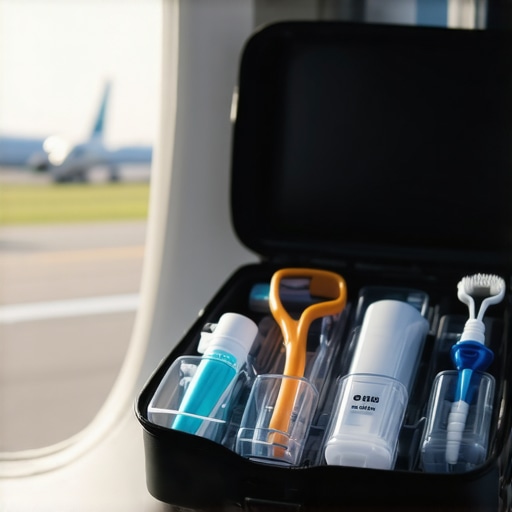
The first time I went on a family trip with my Invisalign trays, I underestimated how much planning was involved. I thought, “How hard can it be?”—until I lost a tray in a hotel bathroom or struggled to find a safe spot to store them during a meal. That lightbulb moment hit hard: traveling with Invisalign isn’t just about remembering to bring your trays; it’s about being prepared for the unexpected twists of your journey.
Why Packing the Right Invisalign Kit Can Save Your Vacation
So, what makes a travel kit essential? It’s about more than just convenience. When you’re on the road, especially in 2026 with newer orthodontic technologies, little oversights can turn into big inconveniences or, worse, setbacks in your treatment. I learned the hard way that a well-packed kit ensures your smile stays on track and your confidence remains unshaken.
Is It Really Necessary to Pack a Specialty Kit?
Many folks dismiss the idea—thinking, “I can just throw in a few trays and move on.” But neglecting the right tools can lead to issues like lost trays, dehydration, or contamination. Early in my Invisalign journey, I made a mistake by not carrying a dedicated case for my trays, which led to accidentally stepping on one or exposing them to germs.
According to dental expert advice, proper storage and hygiene are critical when wearing Invisalign to avoid prolonging treatment or causing oral health problems. Having a dedicated kit isn’t just about branding; it’s about safeguarding your investment in your smile.
Are you familiar with the most common mishaps travelers face with Invisalign? Or have you ever experienced a tray mishap at the worst moment? Trust me, once you get your kit right, traveling becomes a lot less stressful—and your teeth thank you for it.
Start with a dedicated Invisalign travel kit that includes a sturdy, wipe-clean case, a mirror, small container for cleaning tablets, and a toothbrush. I learned this the hard way during a weekend trip; forgetting the proper kit meant risking germs on my trays and discomfort. Use a small pouch to organize these essentials so they’re accessible, just like packing a survival kit for unexpected twists.
Choose a leakproof, breathable container that protects your trays from damage and contamination. During a family vacation, I accidentally left my trays in a crumpled napkin in my bag—causing a crack that delayed my treatment. A hard plastic case with vents ensures trays stay safe and dry, much like how a camera’s protective case shields it from drops but prevents moisture buildup.
Immediately after removal, rinse trays with cold water and gently brush them with a toothbrush—never hot water, which can warp the plastic. I once forgot to rinse a tray after a coffee spill and noticed a cloudiness developing, hinting at bacteria buildup. Using a small container with cleaning tablets, as recommended by dental experts, ensures thorough sanitation, much like how a dishwasher keeps your dishes sparkling and bacteria-free.
Never leave trays in places like hotel bathrooms or on surfaces where they can be knocked off. I once placed my tray on a hotel nightstand, only to wake up and find it missing—an experience that taught me the importance of always using your dedicated case. Think of your trays like delicate jewelry; they need to be stored securely at all times, similar to how valuable items are kept safe during travel.
Carry an extra set of aligners or trays if possible, especially for longer trips. During a recent holiday, I misplaced one tray and, fortunately, had a backup, which kept my treatment on schedule. Having spares acts like a spare tire—critical in emergencies and avoids unnecessary delays. Check with your orthodontist about obtaining backups to stay ahead of potential mishaps.
Maintain a simple log of which tray you’re wearing each day to prevent confusion, especially if you switch trays mid-trip. I found it helpful to take a quick photo of my daily tray at the start of each day, which reduced mix-ups. Consistent tracking ensures you follow your treatment plan diligently, much like following a food diary to stay accountable.
Drink plenty of water to prevent dehydration, which can cause trays to stick or become uncomfortable. Brush and floss after meals to prevent plaque buildup in trays, just like cleaning delicate jewelry after exposure to cosmetics or saltwater. Remember, oral health is the foundation of an effective Invisalign journey, especially when away from home.
By following these concrete steps, traveling with Invisalign becomes a seamless part of your adventure, not a source of stress. Proper planning and organization safeguard your treatment timeline, ensuring a confident, radiant smile no matter where your travels take you. For tailored advice, don’t hesitate to reach out to your family dentist.
While many people believe they understand the basics of oral health and dental treatments, misconceptions abound that can undermine your dental care and long-term oral well-being. Let’s dig deeper into some hidden nuances, prevalent myths, and advanced mistakes that even seasoned patients sometimes overlook.
Why the Popular Belief That All Dental Treatments Are Interchangeable Is Wrong
One common myth is that Invisalign, traditional braces, and crowns are all merely cosmetic solutions—merely about aesthetics. In reality, these treatments have distinct biological implications and should be tailored precisely to your unique oral health status. For example, many assume that Invisalign can fix all alignment issues without considering case complexity. However, advanced malocclusions might require combined approaches, including crowns or even surgical interventions, highlighting the importance of personalized treatment planning—something that only experienced practitioners can provide. For an in-depth comparison, check out this guide on Invisalign versus braces.
Are You Falling for the Myth That Dentists Always Recommend the Most Expensive Solution?
Many patients think a higher price tag always equates to better quality, but that’s not necessarily true. Sometimes, less invasive, more affordable options like premium crowns or transparent aligners are equally effective—if not more so—for certain cases. Over-treatment not only wastes resources but might also introduce unnecessary risks. It’s vital to seek a second opinion if unsure, especially when it comes to complex restorative procedures like crowns, which require expert advice. Learn more about long-lasting crown solutions here.
Beware the Oops Trap: Ignoring Maintenance Can Lead to Premature Failure
It’s a common mistake to believe that once a crown, implant, or aligner is in place, the job is done. Maintenance plays a crucial role in preserving your investment. For example, neglecting routine cleaning of Invisalign trays or skipping regular checkups can lead to bacterial buildup, staining, or even crown decay. This oversight often results in costly repairs or replacements down the line. Regular visits and diligent oral hygiene, as recommended by dental experts, are your best defenses against sudden setbacks. For practical hygiene tips, see top oral health tips.
What About Advanced Mistakes That Compromise Your Treatment?
One overlooked nuance is failing to account for biofilm formation on dental restorations. Research shows that plaque accumulation on crowns or aligners can foster resistant bacterial strains, leading to cavities or gum disease—even when hygiene seems adequate. A study published in the Journal of Dental Research emphasizes the importance of biofilm control, especially in multi-component treatments involving both crowns and aligners. Therefore, comprehensive oral care must include targeted cleaning strategies, and regular professional evaluations are essential. Explore innovative cleaning solutions here.
In summary, understanding these nuances allows you to avoid common pitfalls and optimize your dental health outcomes. Remember, your smile is an investment—treat it with the expertise and care it deserves. Want personalized advice? Reach out to our team today and ensure your treatment plan aligns with the latest research and best practices. Have you ever fallen into this trap? Let me know in the comments.Maintaining your oral health journey, especially with Invisalign, crowns, or family dentistry, requires more than just good brushing habits. Using the right tools and established routines can significantly extend the longevity of your treatments and ensure consistent results. One device I personally rely on is the ** ultrasonic toothbrush**. Unlike regular brushes, it employs high-frequency vibrations that effectively remove plaque from hard-to-reach areas, reducing the risk of bacterial buildup on crowns and during Invisalign wear. Similarly, I recommend investing in a **disinfecting UV sanitizer** specifically designed for dental appliances. These devices utilize ultraviolet light to eliminate germs on trays and aligners, offering a level of sanitation that traditional cleaning can’t match. Incorporating a **digital oral health tracking app** can help monitor daily habits—like brushing, flossing, and aligner wear times. I prefer apps that sync with my dental device, allowing me to set reminders and track progress over weeks or months, which dental experts agree improves compliance and long-term outcomes.
What I Wish I Knew About Staying Prepared on the Go
One of my biggest lightbulb moments came early in my Invisalign journey when I realized that small oversights could lead to major setbacks, like losing a tray or exposing my aligners to germs. Having a dedicated travel kit with all essentials became a game-changer, preventing stress and treatment delays.
How Personal Experience Shapes Better Dental Habits
After mishaps like stepping on a cracked tray or misplacing my aligners in hotel rooms, I learned to prioritize organization and security. These lessons pushed me to develop routines that safeguard my investments in my smile, proving that proactive habits truly pay off.
Why DIY Solutions Can’t Replace Expert Advice
My attempts at cleaning or storing my Invisalign trays showed me the importance of following professional guidance. Relying on trusted tools, like disinfecting UV sanitizers, added an extra layer of protection and comfort, reminding me that dentist-approved strategies are invaluable for long-term success.
Curated Resources for Smarter Oral Care Decisions
- Top oral health apps: Using digital tracking tools helped me stay consistent—something I recommend for anyone serious about maintaining their Invisalign progress. For a trusted selection, visit this resource.
- Essential dental tools: My ultrasonic toothbrush and UV sanitizer revolutionized my routine, making oral hygiene more effective and less time-consuming. These investments are well worth it for durable, healthy results.
- Expert advice articles: Reading authoritative guides, especially on crowns and aligners, deepened my understanding—visit this link for comprehensive insights.
Seize the Moment and Keep Smiling Bright
The journey of maintaining a healthy smile with Invisalign and family dentistry is ongoing, but with the right mindset, tools, and knowledge, you can make it a rewarding experience. Embrace each step—your future self will thank you for the effort today. Remember, your smile is an investment worth nurturing. Ready to take the next step? Reach out to our team today and let’s keep your oral health on track.
Have you ever faced a surprising dental mishap or a handy tip that kept you going? Share your story below—I’d love to hear from you!
,