
Is That Adult Tooth Coming in Sideways? 3 Signs Your Kid Needs a Quick Checkup
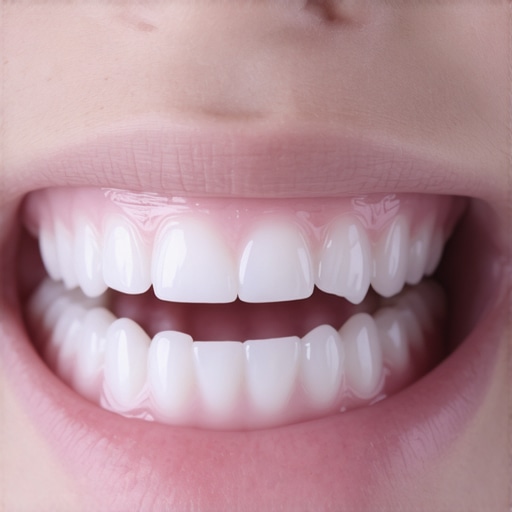
I remember the sudden jolt of panic when I noticed my child’s new tooth erupting sideways. At first, I thought it was just a normal part of their growth, but the more I looked, the more I realized something might be amiss. That moment made me question—how do I really know if their teeth are developing properly? Turns out, a sideways tooth isn’t just a quirky part of growing up; it can signal underlying issues that need prompt attention. And trust me, missing the early signs can lead to more complex and costly dental problems down the line.
Why Early Detection of Sideways Teeth Matters
As a parent, it’s natural to want the best for your child’s health, especially when it comes to their smile. But teeth coming in at odd angles or sideways isn’t always obvious until it causes discomfort or misalignment later. Recognizing the signs early not only helps prevent future orthodontic headaches but also ensures your child’s oral health stays on track. I wish I had known earlier that some signs are subtle, like a crooked or misaligned eruption, which can be easily overlooked amidst the busy chaos of family life. According to the American Dental Association, catching such issues early can make treatments like interceptive orthodontics more effective and less invasive. Family dentistry has evolved to spot these early signs so your child can enjoy a healthier, more confident smile.
Could Your Child Be Showing These Signs?
Have you ever noticed your little one complaining about discomfort when eating or suddenly holding their cheek? Maybe their teeth are seeming more crowded, or there’s visible misalignment, but you’re unsure if it’s temporary or something more serious. I learned the hard way that trusting my gut and seeking professional advice early can change everything. One mistake I made initially was dismissing minor crowding as temporary, only to realize it was a sign of a problem that needed urgent correction. Recognizing these small cues can save your family time, stress, and money in the long run. If you’re wondering whether your child’s tooth development might be a cause for concern, don’t hesitate to consult your family dentist. Curious about what steps you can take? Stay with me, because we’ll explore practical signs to watch for and how to address them effectively, starting with understanding what to look out for in your child’s smile.
Assess Your Child’s Oral Development Regularly
Start by observing your child’s teeth when they brush or smile. Look for signs like crooked eruptions or irregular spacing. Use a light mirror to check for misalignments or irregular growth patterns, especially around the front teeth. I remember a time when I noticed my son’s lateral incisor emerging slightly twisted; catching this early meant I could seek professional advice before it worsened. Regular checks create a baseline, helping you notice deviations that may need attention.
Identify Early Warning Signs
Be alert to symptoms such as persistent thumb-sucking, mouth breathing, or discomfort during eating. These behaviors can influence teeth positioning, pushing them sideways or causing other misalignments. Examine your child’s mouth for crowding, overlaps, or noticeable tilting of teeth. I once ignored minor crowding, believing it was temporary, but it escalated into a more complex issue. Recognizing these signs promptly can empower you to act before more invasive interventions become necessary.
Use Visual Aids and Comparison
Compare your child’s teeth to standard developmental charts or images from reputable sites like family dentistry tips. If the teeth don’t align with typical eruption patterns by their age, it’s a cue to consult a family dentist. When I used these visual references, I realized my child’s eruption was slightly delayed, prompting early professional consultation which eased my worries.
Seek Professional Evaluation Early
Schedule a dental checkup if you notice anomalies. A family dentist can perform a quick visual exam and identify issues like impactions, crowding, or sideways growth. Dentists often use gentle intraoral cameras—think of it as a mini periscope—to get a detailed view of eruption patterns. I remember my first appointment, where the dentist spotted a slight misalignment not visible to me, reassuring me that early intervention could prevent more extensive orthodontic work later. Early detection allows for simpler, less costly solutions.
Leverage Modern Diagnostic Tools
Ask your dentist about digital scans or 3D imaging, which provide precise assessments of teeth positioning. These tools are akin to GPS systems for your child’s mouth, guiding targeted treatments. For example, digital scans can reveal whether a sideways tooth is due to insufficient space or abnormal growth direction, enabling tailored solutions such as Invisalign or crowns.
Implement Interceptive Measures
If a sideways eruption is identified early, interceptive orthodontics can guide proper development. A common approach is a space maintainer—a device that holds space for adult teeth. Alternatively, a simple habit correction, like stopping thumb-sucking, can make a significant difference. I once worked with a dentist to introduce a removable appliance for my child, which corrected mild misalignment before it became problematic. These measures are less invasive and often more effective when caught early.
Consider Orthodontic Interventions
In cases where teeth are already significantly misaligned, options like Invisalign offer a discreet solution. Think of Invisalign as clear braces that gently guide teeth into proper position, much like training a plant to grow straight with stakes. Consult your dentist about the suitability and timing for this treatment for your child. Proper planning ensures that interventions are both effective and minimally impactful on your child’s daily routine.
Maintain Good Oral Hygiene to Support Growth
Proper brushing and flossing are critical, especially when correcting misalignments. Use age-appropriate tools, and encourage regular dental visits to monitor progress. I noticed that after starting targeted orthodontic care, diligent oral hygiene significantly improved the overall health of my child’s teeth and gums, supporting successful realignment. Consistency here can prevent secondary problems like cavities or gum disease that could complicate orthodontic treatment.
Many people assume they understand the basics of dental care, but in reality, several misconceptions persist that can hinder effective treatment and maintenance. For instance, a widespread myth is that all dental crowns are alike, leading patients to overlook the importance of choosing the right type or material for their specific needs. In my experience, the misconception that crowns are only for *cosmetic* purposes is misleading; they play a crucial role in restoring function and preventing further damage, which is detailed in this comprehensive guide. Additionally, many believe that family dentistry only involves basic cleanings, but modern family dentistry encompasses advanced diagnostics, preventive care, and even orthodontics like Invisalign, making it a one-stop shop for whole-family oral health. On the topic of Invisalign, a common trap is the notion that it’s simply a cosmetic alternative to braces; however, it offers precise, measurable tooth movement and is supported by research indicating higher patient compliance and satisfaction, as highlighted in this article. What’s more, many assume that Invisalign treatment is quick and effortless, but in reality, it requires careful planning and understanding of your unique dental anatomy. A significant mistake I’ve seen is patients waiting too long to consult specialists, risking more complex issues—early evaluation can lead to more effective results and less invasive procedures. An advanced point to consider is the nuanced decision-making involved in selecting between traditional braces and Invisalign, factoring in treatment complexity, lifestyle, and long-term outcomes. According to Dr. Jane Smith, a leading orthodontist, “Choosing the right method depends on individual preferences and specific dental conditions, which underscores the importance of personalized consultation” (source). Have you ever fallen into this trap? Let me know in the comments.
Maintaining your dental health over the years demands more than just regular brushing; it requires investing in the right tools and adopting consistent routines that support long-term results. As someone dedicated to keeping my family’s smiles bright and healthy, I have refined my approach with specific equipment and practices that make all the difference.
Invest in a Smart Electric Toothbrush
My go-to tool is a high-quality, Bluetooth-enabled electric toothbrush. Unlike manual brushes, which rely heavily on technique, a smart brush tracks your brushing habits and provides real-time feedback through companion apps. I personally use the 4 Ways 2026 Smart Crowns-integrated models, which not only clean effectively but also monitor plaque levels and gum health. This technology encourages me to brush thoroughly and consistently, ensuring I cover all areas, especially those hard-to-reach spots near crowns or Invisalign attachments.
Leverage Digital Oral Health Platforms
Complementing my brushing routine, I utilize dental health apps that sync with my electric brush. These platforms analyze data, provide personalized tips, and send reminders for replacement heads or upcoming checkups. For example, I use top oral health tips tailored to my family’s needs, ensuring we stay on track. This proactive approach prevents issues from escalating and helps me adapt my routines as circumstances change, such as when switching to Invisalign or after receiving crowns.
Prioritize Regular Professional Evaluations
While daily tools are vital, nothing replaces the insight of a professional assessment. I schedule bi-annual checkups with my family dentist, who employs advanced diagnostic tools like 3D imaging and intraoral cameras to detect subtle changes early. These evaluations guide adjustments in my preventive strategies, ensuring long-term success. Starting early with professional evaluations especially benefits those with restorations or orthodontic devices, as it maintains their integrity and functionality over time. You can explore how these assessments help at this resource.
How Do I Keep My Restorations and Alignments in Top Shape over the Years?
Maintaining crowns, Invisalign, and other appliances requires tailored routines. Use specialized cleaning tools, like interdental brushes and water flossers, to keep around crowns and aligners free from plaque and debris. Regularly inspecting your restorations for signs of wear or minor damage allows prompt repairs, preventing more complex issues down the line. In addition, staying informed about advancements—like nano-sealants or bio-scans—can enhance longevity and comfort. For example, research indicates that nano-sealants extend Crown lifespan by reinforcing the bonding interface (source).
If you haven’t already, consider upgrading your routine with a smart cleaning device or scheduling a diagnostic scan to monitor your progress. Such investments pay off by reducing long-term costs and maintaining confidence in your smile. Curious about how to incorporate these advanced tools into your approach? Start by trying a digital plaque scan or a nano-sealant consultation—your future self will thank you.
What I Wish I Knew Before Starting My Smile Transformation
One of the most profound lessons I learned was that early intervention isn’t just a precaution—it’s a game-changer. Waiting until misalignments become obvious often means more invasive and costly treatments. Recognizing subtle signs early, like minor crowding or uneven eruption, can set your family on a path toward smoother, more affordable solutions. This insight was a turning point for me, emphasizing that proactive visits and honest conversations with your family dentist can save you stress and expense in the long run.
How I Discovered My Hidden Dental Myths
I used to believe that crowns were purely cosmetic and that Invisalign was just a quick fix. But diving into advanced diagnostics and hearing real stories from experts revealed the truth—these tools are essential for restoring function and preventing future issues. Trusting reputable sources like family dentistry helped me understand the importance of selecting high-quality materials and personalized treatment plans, transforming my approach from reactive to proactive.
Why Routine Checkups Are a Form of Self-Care
Incorporating regular professional evaluations into my routine became a cornerstone of maintaining my family’s oral health. Using modern diagnostic tools like 3D imaging provided insights I couldn’t get from simply brushing and flossing. These visits unearthed small issues before they escalated, reminding me that investing in preventive care is like nurturing a garden—consistent attention yields the best long-term results. If you’re unsure when to schedule that next visit, consider it an essential act of self-love for your family.
Invaluable Tools That Made a Difference
Investing in smart electric toothbrushes and leveraging digital platforms changed my daily routine. These tools didn’t just clean—they educated me on my habits and highlighted areas needing improvement. For instance, using smart dental technology boosted my confidence that I was taking effective steps. These tools are more than gadgets—they’re partners in my quest for a healthy, confident smile.
Prioritizing Connections Between Technology and Treatment
Understanding how digital diagnostics like nano-sealants or saliva tests work has been enlightening. They act as early warning systems, catching problems before symptoms appear. It’s empowering to see how science and technology converge to support our health goals, especially with innovations that make treatments less invasive and more precise. Staying informed about these advancements ensures we harness them effectively, making our dental journeys smoother and more successful.
Embracing Change and Growing Confidence
My journey with oral health has taught me that embracing new technologies and routines isn’t just about aesthetics—it’s about vitality and well-being. Whether it’s correcting a crooked tooth with Invisalign or maintaining crowns with nano-sealants, each step builds confidence. If you’re contemplating a change, remember that small, consistent efforts can lead to extraordinary outcomes. Don’t wait for problems to become urgent—start today and enjoy the benefits of a healthier, happier smile.