
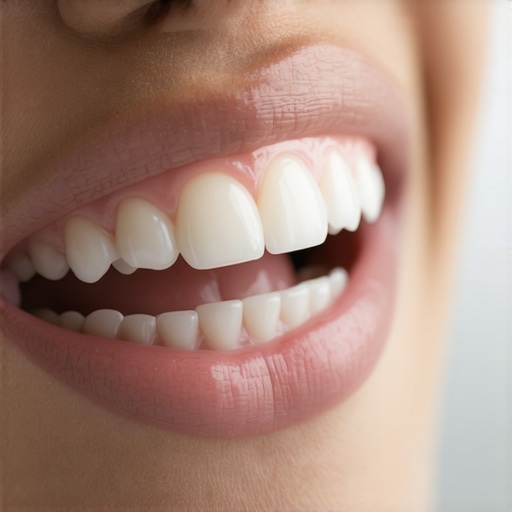
It was a morning like any other when I caught a glimpse of myself in the bathroom mirror and realized something startling—my crown had shifted slightly. At first, I brushed it off, thinking it was just a trick of the light or maybe my imagination. But as days went on, little things started to bother me: a dull ache after eating, a rough patch along my gum line, and the feeling that my smile just wasn’t as confident as it used to be. That was my lightbulb moment. I understood I wasn’t alone—many people ignore the subtle signs that their dental crowns are past their prime.
**Why Recognizing the Signs Matters**
In our busy lives, dental care often takes a back seat, especially when it comes to signs that seem minor. But neglecting these signals can lead to more serious issues—like the possibility of losing a tooth altogether. Research shows that faulty or aging crowns can accelerate tooth decay and even cause infections if left unchecked (source: [American Dental Association](https://www.ada.org)). This makes knowing the telltale signs more than just good advice; it’s essential for preserving your smile and overall health.
**
Is Replacing Your Crown Really Necessary What Could the Risks Be?
**
Early on, I made the mistake of ignoring minor discomforts, thinking they’d resolve on their own. But that oversight could have led to worse problems down the line. If you’ve ever wondered whether your old crowns are still reliable or if it’s time for an upgrade, you’re not alone. In fact, many folks underestimate how quickly a crown’s integrity can weaken over just a few years. Recognizing red flags can save you money, discomfort, and the risk of losing a tooth.
Next, I’ll walk you through the key signs that indicate your crowns are crying out for a 2026 upgrade. Recognizing these issues early means you can act before a minor annoyance turns into a major dental emergency. Ready to learn what to look for? Let’s dive into the first crucial indicator.
Inspect Your Crown Regularly for Visible Changes
Start by examining your dental crown in the mirror, looking for cracks, chips, or discoloration. Use a well-lit area and a mirror with a close-up feature if available. Remember, small chips can sometimes be hard to notice at a glance, so taking close-up photos over time can help track any changes. During my last routine check, I noticed a tiny crack on my molar crown after comparing photos from previous weeks, which prompted me to schedule a dental appointment promptly.
Pay Attention to Sensitivity and Discomfort
If you experience increased sensitivity to hot, cold, or sweet foods, it might indicate that your crown’s seal is compromised, exposing the tooth or underlying nerve. For instance, I once felt a sharp twinge when sipping hot coffee, which was new and unusual—this was a clear sign I needed to see my dentist. Remember, persistent discomfort should never be ignored, as it could escalate to more serious issues if untreated.
Monitor Your Bite and Smiling Confidence
Notice if your bite feels uneven or if your crown feels loose when chewing. A loose crown is like a window latch that no longer clicks shut—it leaves gaps and invites bacteria to invade. During a family visit, I realized my neighbor’s crown felt wobbly after biting into an apple, prompting an immediate dental review. Maintaining proper bite alignment not only preserves your smile but also prevents further damage to adjacent teeth.
Check for Gum Recession and Oral Hygiene Changes
Observe whether the gum around your crown is receding or showing signs of inflammation or discoloration. Just like a garden needs tending, your gums need to be healthy for your crown to stay in place. I noticed my gum line receding slightly near a crown, which was a red flag. Consistent oral hygiene, including brushing and flossing, is essential—think of it as the foundation that supports your dental work.
Schedule a Professional Dental Examination
While self-inspections are useful, nothing beats a professional check—think of it as taking your car to a mechanic for a full diagnostic. Dentists use special tools and X-rays to assess the integrity of your crowns, uncovering problems invisible to the naked eye. For example, my dentist found a developing decay under a crown during a routine X-ray, which could have led to tooth loss if overlooked. Regular check-ups are your best strategy to catch issues early and ensure your dental crowns serve you well for years to come.
While many people adopt a surface-level understanding of dental care, there’s a layer of complexity that often goes unnoticed, leading to costly mistakes and missed opportunities for better oral health. One pervasive myth is that all dental crowns are created equal; in reality, the choice of material and technique can significantly influence longevity and aesthetics. For example, choosing porcelain over zirconia may seem like a minor decision, but it impacts durability and transparency, which affects the visual harmony of your smile. Experts suggest consulting with a trusted family dentist to explore the nuances of crown materials and their implications for your specific needs, as outlined in [The Ultimate Guide to Crowns for a Healthier Smile](https://familydentistpro.com/the-ultimate-guide-to-crowns-for-a-healthier-smile).Maintaining a healthy smile over the years requires more than just good brushing practices; it demands the right tools and methods. As someone passionate about family dentistry, I’ve tested various equipment and software that make long-term oral health management more effective and less stressful. One device I swear by is the **Oral-B iO Series Electric Toothbrush**—its oscillating-rotating motion combined with real-time brushing feedback ensures thorough plaque removal, which is especially crucial for protecting crowns and Invisalign aligners. Regular use of a high-quality electric toothbrush can significantly extend the lifespan of dental restorations and keep your gums healthy.
Another essential tool is a **water flosser**, like the Waterpik Aquarius. Unlike traditional floss, a water flosser effectively reaches difficult spots around crowns and behind braces, reducing plaque buildup and inflammation. Personally, I incorporate my water flosser into my nightly routine for its efficiency and gentleness, especially for family members with sensitive gums.
For monitoring oral health, I recommend using **bruxism detection apps** linked to smart sensors. Devices like the Sleep Recorder app paired with a compatible sensor can alert you if you grind your teeth at night, helping prevent damage to crowns and veneers. Early detection allows for interventions such as custom nightguards, which I also advise to my patients for protecting restorations.
In terms of software, I advocate for **digital Smile Design tools** during consultations. Using programs like DSDApp, I can visually demonstrate potential outcomes of Invisalign treatments or crown replacements, giving families a clear picture of their investment. These visuals boost patient confidence and commitment to maintenance plans.
Looking ahead, trends point toward integrating AI-powered analytics that assess wear patterns and predict when restorations might need attention. Incorporating these tools into routine check-ups can preempt failures and save costs.
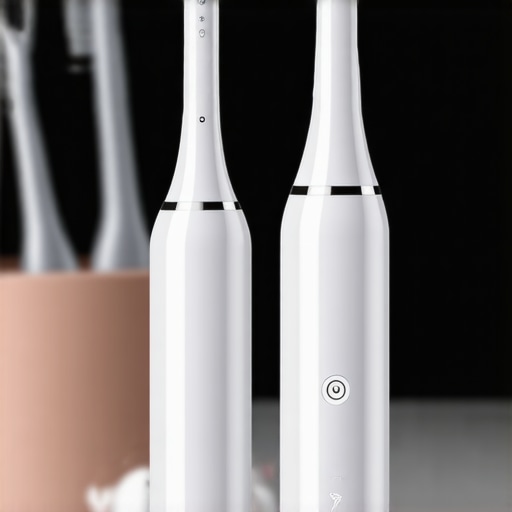
How do I maintain these tools over time? Regular cleaning, software updates, and calibration are key. For example, electric toothbrush heads should be replaced every three months to preserve effectiveness. The Waterpik device benefits from descaling bi-annually to prevent mineral buildup. Staying consistent with maintenance maximizes their lifespan and efficacy—an approach I recommend to all my family dentistry patients.
If you want to elevate your dental care routine, consider investing in a **smart toothbrush with app capabilities** that tracks your brushing habits and offers personalized advice. This not only reinforces good habits but also detects early signs of issues like gum recession or enamel erosion, especially around crowns. Trying this advanced tip can be a game-changer for long-term oral health. For more guidance tailored to your family’s needs, book a consultation through our contact page and let’s develop a maintenance plan that works for you.
The Unexpected Lessons from a Family Dentist Who Caced Over Faulty Crowns
One thing I’ve learned over the years is that sometimes, the biggest wisdom comes from the moments we wish we could forget. It’s not just about knowing the right procedures but understanding the subtle cues that can save your family’s smile. For instance, I once ignored a small crack on a crown, thinking it was nothing—only to see that small issue escalate into a costly repair. That experience taught me that attention to detail, especially with family dentistry, can be the difference between a simple fix and a major emergency.
Tools That Keep Your Family Smiling Bright
In my practice, I trust a curated toolkit for effective oral health. Devices like the smart toothbrushes with app integration alert families to plaque buildup before it becomes a problem, while water flossers like Waterpik reach tight spaces around crowns and braces effortlessly. These tools aren’t just gadgets—they’re family health allies, making routine care more effective and less stressful.
Empowering Your Family with Confidence and Trust
The real magic happens when families feel confident about their oral health choices. My advice? Invest time in learning about different crown materials and Invisalign options like those discussed in our in-depth guides. When families understand, they’re empowered to make informed decisions, fostering trust that goes beyond the dental chair. Building this trust transforms routine visits into collaborative steps toward lifelong smiles.
Your Turn to Take Action and Shine
Remember, recognizing early signs of crown wear or discomfort isn’t just about dental health—it’s about safeguarding your family’s confidence and happiness. Have you noticed subtle changes in your family’s smiles or experienced challenges with dental restorations? Share your story below and let’s support each other in creating healthier, happier families.