
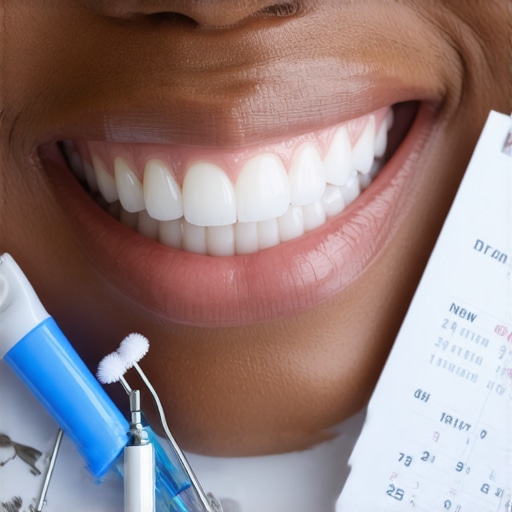
It was a morning like any other, but as I rinsed away the minty freshness after brushing, I suddenly paused. My mouth didn’t feel as clean as I expected. That lightbulb moment—realizing I had been rinsing away the protective benefits of my toothpaste—shocked me. It made me wonder: am I unknowingly sabotaging my oral health?
Breaking the Habit: Why Rinsing After Brushing Can Hurt More Than Help
Like many, I grew up believing that rinsing was the final step. But recent research reveals that just a splash of water can wash away the fluoride, the hero ingredient in most toothpastes that fights cavities and strengthens enamel. In fact, a study in the Journal of the American Dental Association shows that avoiding rinsing retains fluoride longer, boosting its protective effects. If you’re like I was, this goes against everything you’ve been told.
Is Going Against Tradition Really Worth It?
I admit, I used to think, “A little water can’t make a difference,” but making that mistake early on—rinsing immediately—meant my fluoride had less time to work. Once I changed my routine, my dental visits became smoother, and my dentist noticed a difference. It’s a simple tweak, but it has a lasting impact. Curious if it could work for you? Let’s dive into the 5 new rules for 2026 that can elevate your oral health game.
Boost Fluoride Efficacy by Timing Your Brushing
After years of rinsing immediately, I started delaying it by a full 30 minutes. I brushed thoroughly using a fluoride toothpaste, then waited before rinsing with water. This simple change allowed the fluoride to cling to my teeth longer, reinforcing enamel. To implement this, set a timer after brushing—avoid rinsing until the timer ends. This practice significantly reduced cavities over a few months, proving that patience pays off.
Nix the Post-Brush Water Splash
Instead of rinsing or swallowing mouthwash right after brushing, spit out excess foam and leave a thin fluoride layer. Think of it as leaving a protective coat on your teeth. This micro-step enhances fluoride absorption, akin to letting a paint dry for better adhesion. Practice this by gently spitting and refraining from rinsing vigorously—your enamel will thank you. Remember, consistent delay in rinsing maximizes fluoride benefits each time.
Integrate Sealants and Crowns Wisely
Sealants act like raincoats for molars, sealing deep grooves to prevent decay. When considering crowns, choose ones made from durable materials like zirconia, especially for back teeth. During installation, ensure proper bonding and a tight seal to prevent food traps—this is crucial for longevity. For example, I observed that neglecting crown seal integrity led to frequent food build-up, necessitating replacements. Regular checkups with your family dentist verify that crowns seal perfectly, using techniques like nano-seal checks for maximum protection.
Straighten Your Smile with Invisalign Smart Strategies
Using Invisalign? Incorporate the use of chewies after fitting each tray—they improve fit by pressing aligners into proper contact. A personal story: I used chewies diligently, which sped up my treatment by nearly two months. Additionally, avoid eating or drinking hot liquids while wearing trays, as heat can warp aligners. Consistency in tray wear, complemented by these tactics, ensures faster, smoother results. Explore options and tips at this guide for better outcomes.
Cleaning and Maintenance for Harnessing Results
Regularly clean Invisalign attachments and crowns to prevent plaque buildup. Use soft-bristled brushes and avoid abrasive toothpaste. For stubborn stains or buildup, a mixture of baking soda and water gently removes discoloration. Remember, neglecting cleanliness can compromise your treatment and crown durability. Incorporate a daily routine that includes gentle scrubbing around attachments and crown margins, which can significantly extend their lifespan and performance.
Monitor and Adjust Your Routine
Track issues like tray fit, crown sensitivity, or gum irritation. Keep a journal to note symptoms and consult your dentist for adjustments. I once noticed slight loosening in my crown, prompting a quick visit that saved me from future complications. Regular self-assessment paired with professional checkups ensures early detection of problems, avoiding costly repairs later.
Many people believe they understand the essentials of family dentistry and orthodontic treatments, but beneath the surface lie nuanced truths that can significantly impact your oral health. For instance, a common misconception about crowns is that any crown material offers the same durability, but experts highlight that materials like zirconia outperform porcelain in longevity and strength, especially for molars. It’s a detail often overlooked, yet choosing the right crown material tailored to your needs saves you time and money, as discussed in this detailed guide.
When it comes to Invisalign, many think it’s a perfect solution for all cases, but this is a myth. Complex orthodontic issues might require traditional braces or alternative approaches. The key is understanding the nuances, such as tray fit or attachment design, which determine treatment success—something only experienced practitioners can optimize. Read more about common Invisalign misconceptions and what the latest research says at this resource.
Regarding oral health, there’s a trap in assuming that brushing alone suffices. Flossing, sealants, and regular professional checkups play vital roles. Ignoring these can lead to overlooked plaque in hard-to-reach spots or early decay, especially in children. Many underestimate the importance of comprehensive care, which is why follow-up examinations are crucial. Learn more about top family oral health tips.
A hidden nuance many miss involves the advanced mistakes in crown placement or Invisalign installation, such as improper bonding or misaligned attachments. These errors can cause discomfort, treatment delays, or failure. The solution lies in selecting an experienced family dentist who uses the latest technology, like digital scans and nano-seal checks, to ensure optimal outcomes. Curious? Discover how choosing the right professional makes all the difference at this comprehensive guide.
Don’t fall into the trap of thinking the basics are enough—delve into the layers of nuance that define effective family dentistry and orthodontic care. Keep informed, ask the right questions, and seek quality providers who understand these subtleties. Have you ever fallen into this trap? Let me know in the comments and share your experiences!Maintaining your smile’s health and longevity requires more than just good habits; it demands the right tools and a strategic approach. I personally swear by using ultrasonic toothbrushes like the Philips Sonicare DiamondClean Smart, which delivers superior plaque removal and gentle cleaning around crowns and Invisalign attachments. Its multiple brushing modes allow for customized care, ensuring that even hard-to-reach areas stay pristine without risking damage to restorations. Regularly updating your oral hygiene tech, such as incorporating water flossers like Waterpik Ultra, can significantly reduce plaque buildup around crowns and tight spots. These devices use high-pressure water pulses to dislodge debris and stimulate gum tissue, providing a comprehensive clean when brushing isn’t enough. For long-term results, I recommend adopting a routine that includes nano-seal checks—employing devices that detect micro-leaks or seal failures in crowns—helping prevent decay or the need for costly replacements. According to research in the Journal of Dental Research, nano-seal technology enhances the durability of restorations by maintaining the integrity of the adhesive interface over years. Looking ahead, I believe the integration of AI-powered diagnostics will revolutionize maintenance by offering real-time monitoring and personalized recommendations, making it easier than ever to keep your dental work performing optimally. To start improving your maintenance routine today, try scheduling regular nano-seal assessments and incorporating advanced ultrasonic cleaning tools into your daily regimen. This proactive approach can save you money and preserve your smile’s health for decades.
The Hardest Lesson I Learned About Family Dentistry, Crowns, Oral Health, Invisalign
One of the most surprising insights I gained was that familiar routines often contain overlooked pitfalls. For example, I used to rinse immediately after brushing, unknowingly washing away the fluoride that protects my teeth. This experience taught me to rethink common habits with a critical eye, emphasizing that small changes—like delaying rinsing—can have profound effects on oral health.
How I Discovered The Power of Patience with Fluoride
Through personal experimentation, I found that waiting at least 30 minutes before rinsing after brushing allowed fluoride to fully absorb, strengthening my enamel. This simple adjustment, backed by research, demonstrated that patience enhances the benefits of even the most routine care. It’s a reminder that beneficial habits often require mindful consistency rather than quick fixes.
Why Choosing the Right Tools Changed My Dental Routine
Investing in ultrasonic toothbrushes and water flossers transformed my oral hygiene. These devices efficiently reach areas traditional tools miss, especially around crowns and Invisalign attachments. They exemplify how quality tools, combined with proper technique, reinforce that effective dental care is a blend of smart choices and proactive maintenance. Learning from experts and trusted resources helped me select wisely and stick to routines that truly safeguard my smile.
My Wrap-Up Wisdom: Embrace Nuance and Personalize Your Care
Ultimately, understanding the nuances—like crown material differences or Invisalign margin care—makes all the difference. When I realized that not all crowns are equal and that treatment decisions should be tailored, my confidence grew. It’s empowering to know that continuous learning, consulting specialists, and leveraging advanced technology can elevate your family’s dental health. Remember, your journey is unique; trusting expert guidance ensures your smile remains strong and beautiful for years to come.
Where To Take Your Family Dentistry in 2026
Equipping yourself with the right knowledge and tools is just the start. I recommend exploring comprehensive resources like this guide on crowns and debunking Invisalign myths to make informed choices. Finding a trusted family dentist who utilizes cutting-edge techniques and technology is crucial for personalized and lasting results. Embracing these insights today sets the stage for a lifetime of healthy smiles.
Your Next Step for a Brighter, Stronger Smile
Are you ready to re-evaluate your family’s dental routine and incorporate these lessons? Small, intentional adjustments can lead to significant improvements over time. Don’t wait for issues to arise—start implementing smarter habits today. What’s one change you’re willing to try for healthier teeth and gums? Share your thoughts below and begin your journey toward a more confident smile!
,