
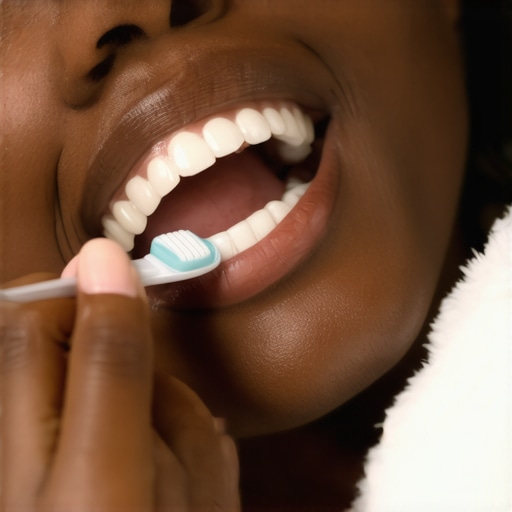
Ever found yourself squeezing into the bathroom mirror late at night, desperately scrubbing your gums in a frantic attempt to chase away that uneasy feeling? I used to do the same—thinking if I just scrubbed a little harder, I could prevent those pesky gum issues, especially since I knew my family dental history wasn’t exactly spotless. That ritual, that intention to protect and preserve, suddenly felt more like a gamble than a guarantee.
The Lightbulb Moment I Didn’t See Coming
It hit me one evening, amid the routine of my nightly dental care, that my habit was actually causing more harm than good. The truth was, I was unknowingly sabotaging my gums with a simple but overlooked action: vigorous, aggressive brushing right before bed. I learned that this habit could accelerate gum recession and even lead to more serious issues down the line. It was a startling realization—what I thought was taking care of my oral health was actually damaging it.
Is Overbrushing Really That Bad?
Many people believe that brushing harder or longer is the key to healthier gums and teeth. But evidence shows otherwise. Excessive brushing can wear down gum tissue and expose root surfaces, making gums more vulnerable to disease (source: Revive Your Oral Health). Early on, I mistakenly thought that more effort equated to better results, yet I overlooked how delicate and sensitive our gums truly are. Just like skipping routine checkups or ignoring signs of trouble, that aggressive nightly scrubbing was a mistake I had to correct—before it was too late.
If you’ve ever found yourself in the mirror, scrubbing away with a bit too much gusto, you’re not alone. And trust me, the good news is that changing this isn’t as complicated as it sounds. In fact, there’s one simple shift I made that drastically improved the health of my gums—something I wish I had done years ago. Ready to learn more? Let’s dive into the story and uncover the key to protecting your gums effectively.
Choose the Right Brushing Technique
Start by selecting a soft-bristled toothbrush, much like using a gentle paintbrush instead of a scraper. Place the brush at a 45-degree angle to your gum line, then use gentle, circular motions—think of patting a delicate piece of fabric rather than scraping stubborn dirt. I once caught myself in the mirror, scrubbing vigorously, only to realize I was causing gum irritation. Switching to gentle circles transformed my comfort and health.
Optimize Brushing Duration and Frequency
Brush twice daily for two minutes each session—use a timer or a song as your guide. During my first attempt, I underestimated the importance of timing; I often rushed through brushing, missing plaque buildup. When I consciously slowed down, I noticed less gum bleeding and fresher breath. Remember, longer isn’t better if it’s aggressive; quality over speed is key.
Incorporate Flossing into Your Routine
Flossing isn’t just an extra step—it’s essential. Gently glide the floss between teeth, curving it around each tooth like a hug, and move it up and down. I once neglected flossing during busy mornings, which left behind debris and inflammation. Making it a nightly habit, right after brushing, kept my gums healthier and prevented plaque buildup along the gum line.
Use Mouthwash Correctly
Select an alcohol-free, antimicrobial mouthwash, and rinse for about 30 seconds. Think of it as a final sweep, flushing out lingering bacteria. I added this step after noticing my gums felt less tender and more resistant to bleeding. Be cautious not to overuse adults’ mouthwashes, as they can cause dryness—use as directed and prefer soothing formulas.
Adjust Your Technique When Using Dental Crowns and Invisalign
If you have crowns or are wearing Invisalign, adapt your brushing pressure and angle accordingly. Crowns can chip if brushed too hard, and Invisalign aligners can trap food particles if not cleaned properly. I learned this firsthand when I damaged a crown by applying excessive force. For crowns, use gentle circular motions; for aligners, remove and rinse after meals, then brush thoroughly before reinserting. Regular checkups with your dentist ensure these appliances stay in good shape and continue to protect your oral health.
Understand Family Dentistry and Regular Checkups
Routine visits are your safety net. A family dentist can spot early warning signs of gum issues, similar to a watchful coach observing your technique. I schedule biannual checkups, which include professional cleanings and personalized advice. This proactive approach prevents minor issues from escalating into costly problems, ensuring your whole family maintains healthy smiles.
Embrace Consistency and Patience
Good oral health isn’t achieved overnight—think of it as tending a garden. Daily, gentle effort nurtures strong gums and teeth. I once missed a few days of brushing during a hectic week, and the consequences appeared in gum discomfort. Restoring habits takes time, but with persistence, your gums will thank you with resilience and brightness.
Many patients believe that dental crowns and Invisalign are simple, one-size-fits-all solutions for restoring and straightening teeth. However, as an expert in family dentistry, I’ve seen several nuanced pitfalls that most people overlook. For instance, a common misconception is that all crowns are equally durable, which is far from true. The choice of material, such as zirconia versus porcelain, significantly impacts longevity and compatibility with your natural teeth (source: Revive Oral Health). This subtlety, often ignored, can lead to premature crown failure if not properly considered.
Similarly, many assume Invisalign is purely a cosmetic fix, but the reality is more complex. While it’s effective for mild to moderate misalignments, it demands meticulous wear time and patient compliance. A frequent mistake is underestimating the importance of tracking progress with regular checkups, which, if neglected, can result in longer treatment times or relapse. Some folks believe that wearing Invisalign “as needed” is sufficient, but studies show consistent adherence accelerates results and reduces complications (Invisalign Tracking Tips).
Are We Overestimating Oral Health Products?
Another widespread myth revolves around oral health products like mouthwash and toothpaste. Many think that high-priced or labeled ‘whitening’ products guarantee healthier gums. Yet, ingredients matter more than marketing. For example, many whitening toothpastes contain abrasives that, if used excessively, can wear down enamel and irritate gums. Experts advise choosing products with the American Dental Association Seal of Acceptance, focusing on proven ingredients (Top Oral Health Tips).
What about family dentistry practices? A frequent oversight is waiting until problems become severe before seeking dental care. Regular checkups not only catch issues early but also help customize preventative strategies suited to each family member’s needs. I’ve seen families who delay visits, only visiting when pain or breakage occurs, which complicates treatment and increases costs (Family Dentistry Trends). Building trust and consistency in dental visits is essential to long-term oral health success.
Lastly, advanced mistakes such as neglecting appliance maintenance—be it crowns or Invisalign aligners—can be detrimental. For example, failing to clean aligners properly can harbor bacteria, reversing the benefits of orthodontic treatment. Similarly, neglecting crown checks may lead to leaking or chipping, necessitating costly repairs (Crown Warning Signs).
Understanding these nuances, myths, and pitfalls is crucial for maintaining a truly healthy smile. Don’t fall into these common traps—invest some time learning the specifics about your dental care options and consult your family dentist regularly. Want more insider tips or need help navigating your options? Visit our contact page and schedule a personalized consultation. Have you ever fallen into this trap? Let me know in the comments—your experience might help someone else avoid simple yet costly mistakes.
Maintaining dental crowns, Invisalign aligners, and overall oral health requires more than just regular brushing and flossing; it demands specialized tools and consistent routines. Personally, I rely on a few key pieces of equipment that help me keep my restorations and aligners functioning optimally over the long haul. One essential item is a **ultrasonic cleaner**—this device vibrates at high frequencies to remove plaque and debris from aligners and crowns without damaging the surfaces. I’ve found it to be invaluable, especially since manual cleaning can often miss those hard-to-reach spots or leave behind residue that fosters bacteria.
Another tool I recommend is a **perforated cleaning brush** designed specifically for aligners. Its fine bristles allow for gentle yet effective removal of tartar and food particles. I prefer brushes with soft, BPA-free handles, ensuring safety and durability. Regularly using such brushes prevents buildup that can cause discoloration or irritation, thus extending the lifespan of my Invisalign trays.
For everyday maintenance, I swear by a **water flosser**—a device that uses a pulsed stream of water to clean around crowns and between teeth. Especially when dealing with crown margins or brackets, this tool proves more effective than traditional floss, which can sometimes be challenging to maneuver in tight spots. Its intuitive design makes compliance easier, and I notice less gum inflammation when I incorporate it into my routine.
In addition, I pay close attention to the **quality of my oral health products**. Choosing ADA-approved toothpaste and mouthwash, especially alcohol-free variants, supports healthy gums without causing dryness. For instance, using a mouthwash formulated to prevent plaque buildup complements my brushing and flossing efforts, creating a comprehensive defense against periodontal issues.
Predicting future trends, I believe digital monitoring devices will become standard for ensuring appliance hygiene. Smart toothbrushes that sync with smartphone apps, or AI-powered oral health scanners, could provide real-time feedback and alert users to potential problems before they escalate, much like the advancements discussed in our detailed guide on crowns.
How do you maintain your crowns or Invisalign over time? If you’re looking to elevate your routine, I recommend trying a professional-grade ultrasonic cleaner. It’s a game-changer for ensuring your dental appliances stay free from harmful bacteria and plaque, ultimately protecting your investment and oral health. Want more insights? Reach out through our contact page for personalized advice, or explore additional tips to keep your smile bright and healthy for years to come.
The Hidden Costs of Overbrushing Were a Wake-Up Call
One of my most eye-opening moments was realizing that my aggressive brushing habits weren’t just ineffective—they were damaging my gums and crowns, leading to increased sensitivity and potential failures. This taught me to value gentle techniques over brute force, emphasizing that kindness and precision matter more in dental care than sheer effort.
The Power of Personalizing My Oral Routine
I discovered that each patient’s needs are unique—what worked for me wasn’t universal. Tailoring my routine, especially with crowns and Invisalign, involved understanding materials, wear patterns, and specific risks. This lesson reinforced the importance of consulting specialists and avoiding one-size-fits-all solutions, which can be costly in the long run.
My Mistake of Ignoring Appliance Maintenance
Failing to clean aligners and crowns thoroughly could lead to bacteria buildup and appliance failure. Learning to incorporate ultrasonic cleaners and specialized brushes transformed my maintenance routine, extending the lifespan of my dental work and preserving my oral health. This showed me that small daily efforts have a significant impact over time.
Realizing That Family Dentistry Is a Partnership
Early in my journey, I underestimated the value of regular checkups and open communication with my dentist. Building a trusted relationship allowed early detection of issues and tailored advice, avoiding costly repairs. It became clear that proactive, team-based care is essential for lasting oral health—something I now recommend wholeheartedly to others.
Curated Tools That Keep My Smile in Check
The ultrasonic cleaner, water flosser, and soft-bristle brushes are game-changers for maintaining crowns and Invisalign. I trust them because they provide consistent, effective cleaning without damaging delicate surfaces. Additionally, reputable sources like top oral health tips help me stay informed about best practices, ensuring my commitment remains effective and safe.
Your Next Step Toward a Healthier Smile
Understanding the nuances of crowns, Invisalign, and family dentistry unlocks the door to long-term confidence. Embrace personalized routines, regular checkups, and trusted tools—your future self will thank you for making these investments today. If you’re ready to elevate your dental care, visit our contact page for expert guidance, and share your experiences below. Have you ever faced a surprising dental discovery that changed your routine? Let me know—your story could inspire others to take charge of their oral health.
This post really hits home for me, especially the part about aggressive brushing. I used to think that scrubbing harder would help prevent gum problems, but I learned the hard way that it actually caused my gums to recede and become more sensitive. Since I switched to gentle circular motions and used a soft-bristled brush, I’ve noticed a big improvement in gum health and comfort. I also started incorporating a water flosser, which has made it easier to clean around my crowns and braces effectively. I’m curious, does anyone have recommendations for specific types of mouthwashes that complement gentle brushing routines? It seems like finding the right products and tools can make a huge difference, especially for those with dental appliances like crowns or Invisalign. Overall, investing in proper technique and regular checkups has given me much more confidence in my oral health. Would love to hear other tips or personal experiences from this community!