
The 2-Minute Habit That Stops Gum Recession Before It Starts
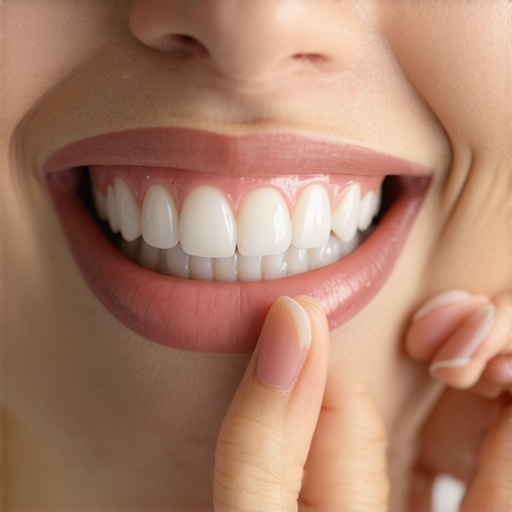
It was during one of those frantic mornings, rushing out the door, when I caught a glimpse of my reflection and suddenly felt a jolt of panic. My gums looked a little lower than they did just a few months ago. I realized I was neglecting a small but crucial part of my daily routine— and that neglect was risking my smile. This lightbulb moment made me wonder: what simple habit could truly make a difference in preventing gum recession before it’s too late?
Protect Your Gums in Just Two Minutes a Day
Gum recession is sneaky. It doesn’t scream loudly; instead, it erodes your gum line gradually, exposing the roots of your teeth and increasing sensitivity, and even leading to tooth loss in severe cases. The worst part? Many people don’t recognize the warning signs until it’s irreversible.
But here’s the good news: I found that consistent, mindful actions—just a couple of minutes each day—can halt or even reverse early signs of gum recession. Since adopting this simple habit, I’ve watched my gums become healthier, and my confidence has soared. Today, I want to share this game-changing tip with you, especially if you’ve noticed your gums receding or are just eager to prevent it.
Think of this habit as a gentle, daily shield for your gums—an approachable, effective strategy that can fit into any busy schedule. Ready to discover what it is? Stay with me, because what I’m about to reveal could save your smile.
Could a quick daily move really make a difference? I used to doubt it, too.
Early in my journey, I made a mistake common to many: I brushed aggressively, thinking that was the key to healthy gums. Turns out, that only worsened the problem. It wasn’t until I learned about the importance of a gentle, targeted habit that I finally started seeing progress. For those wondering if such a tiny effort could truly make an impact—trust me, it can. For more in-depth tips on maintaining your oral health, I recommend checking out our comprehensive [top oral health tips](https://familydentistpro.com/top-oral-health-tips-for-your-familys-bright-smiles).
Now, let’s delve into the habit itself and how you can incorporate it into your daily routine—because safeguarding your gums doesn’t have to be complicated.
Master the Gentle Brushing Technique
Start by choosing a soft-bristled toothbrush, akin to gentle bristles brushing your skin—nothing harsh. Place the brush at a 45-degree angle against your gums, and use slow, circular motions to clean. Avoid scrubbing aggressively, which can heighten gums’ sensitivity or cause recession. I vividly recall a morning when I was rushing to get ready; I decided to focus solely on my gums and used gentle circles for two minutes. Afterwards, my gums felt healthier, and I saw less redness in the mirror. This simple shift made a noticeable difference.
Implement Daily Flossing with Purpose
Flossing dislodges bacteria and plaque trapped between teeth where brushes can’t reach, much like cleaning the corners of a room. Use a gentle sawing motion to slide the floss between teeth, curving it around each tooth in a C-shape to clean along the gumline. I once tried flossing hurriedly and missed a spot, leading to slight bleeding—proof of its importance. When done carefully and consistently, flossing complements your brushing routine and prevents bacteria from irritating the gums.
Use Interdental Brushes for Hard-to-Reach Areas
If you have wider spaces or braces, interdental brushes are your allies. They act like tiny brooms sweeping debris from tight spots. Carefully insert them between teeth and move back and forth gently. I remember a day I used an interdental brush after a meal, and my gums immediately felt less tender. Regular use keeps bacteria at bay and supports gum health.
Rinse with an Antiseptic or Saltwater Solution
Rinsing helps reduce bacteria in your mouth, acting as a shield. Use an alcohol-free antiseptic mouthwash or prepare a saltwater rinse—dissolving a teaspoon of salt in a glass of warm water. Swish for 30 seconds, then spit out. I once incorporated this into my nightly routine, noticing fewer instances of bleeding in the morning. This inexpensive step can soothe gums and promote healing.
Mildly Massage Gums to Stimulate Circulation
Gently massaging your gums with your finger or a soft-bristled finger toothbrush can boost blood flow, nourishing your gums—think of it as watering plants. Use circular motions for about a minute each day. I experimented with this when I felt my gums were a bit swollen; the massage helped reduce inflammation over time. Consistency is key to maintaining healthy, resilient gums.
Schedule Regular Dental Checkups
Even with diligent daily habits, professional assessments are vital. Dentists can identify early signs of recession or gum disease before they worsen. I once neglected my routine, and a dentist caught early gum issues that could’ve led to loss. Regular visits—at least twice a year—are your best defense against gum recession and other oral health problems. For personalized advice, consider reaching out to experts through our contact page and stay proactive about your smile.
While many believe they understand the basics of dental care, misconceptions often hide behind common practices. For example, the idea that simply choosing any crown guarantees durability is misleading; the quality of materials and the dentist’s expertise are crucial for lasting results. Similarly, many assume that all oral health products are equally effective, but advanced formulations and targeted treatments can make a significant difference—something highlighted by recent studies indicating personalized approaches outperform generic solutions.
Invisalign has revolutionized orthodontic treatments, yet a prevalent myth is that it’s suitable for all alignment issues. This isn’t true—complex cases often require traditional braces or alternative interventions. Rushing into Invisalign without thorough consultation can lead to prolonged treatment times or subpar results, which is why consulting with a specialist is critical. Learn more about how Invisalign is transforming family dentistry in 2025.
Overconfidence in DIY oral care can lead to neglecting professional checkups—an oversight that allows minor issues to become major problems. It’s a common mistake to believe that brushing and flossing alone suffice; incorporating routine dental visits and advanced diagnostic tools can detect early signs of decay or gum disease before they escalate. An advanced mistake many overlook is the importance of understanding the material properties of dental restorations—such as crowns—where selecting the right type influences longevity and appearance. For in-depth guidance on this, see choosing the right crown for long-lasting results.
How do innovations in family dentistry improve the quality of care for all ages?
Modern trends emphasize minimally invasive procedures, digital scans, and personalized treatment plans, ensuring everyone from children to seniors receives appropriate care. Keeping abreast of these advancements can help families make informed decisions, optimize health outcomes, and avoid outdated treatment pitfalls. Remember, the key lies in proactive, educated choices—not just reactive fixes. Interested in the latest family dentistry trends? Check out how trends are improving oral health for all ages.
Have you ever fallen into this trap? Let me know in the comments.Keeping your dental health in top shape requires the right tools and a proactive maintenance routine. Over time, the effectiveness of your oral care can diminish without proper care of your equipment and regular checkups. I personally swear by using a high-quality sonic toothbrush, like the Philips Sonicare series, because its oscillating brush heads remove plaque more efficiently and are gentler on gums than manual brushing. Additionally, I use interdental brushes instead of traditional floss for wider spaces or braces, as they reach areas that standard floss might miss, helping to prevent plaque buildup that can lead to recession or decay. For digital management, I recommend using dental health apps such as CariVu or Dental Monitoring, which help track your daily habits and remind you of upcoming appointments, ensuring consistent care and early detection of potential issues. Regular maintenance of these tools is essential—replacing brush heads at the manufacturer’s recommended intervals and cleaning interdental brushes thoroughly prolongs their lifespan and keeps them effective. Predicting the future, I believe that integrating AI-powered diagnostics into our routine care will become commonplace, allowing for more personalized and precise treatments, similar to what is discussed in recent research on AI and dentistry. To optimize your long-term results, I encourage you to schedule regular professional checkups and stay engaged with the latest advancements. How do I maintain my dental tools over time? I always follow manufacturer instructions for replacement and cleaning, which ensures optimal performance and hygiene, reducing the risk of bacteria transfer or equipment failure. Remember, investing in quality tools and proper maintenance isn’t just about immediate results; it’s about safeguarding your smile for years to come. For a comprehensive overview of choosing the best equipment, see our article on [the ultimate guide to crowns for a healthier smile](https://familydentistpro.com/the-ultimate-guide-to-crowns-for-a-healthier-smile). Don’t underestimate the power of good tools—try upgrading to a sonic toothbrush today to experience noticeable benefits in your oral health.Reflecting on my experience, I realized that the greatest lessons about crowns, oral health, Invisalign, and family dentistry often come from personal trials and honest mistakes. One of the most crucial revelations was that consistent, gentle care trumps aggressive routines—something I learned the hard way after damaging my gums with harsh brushing. Recognizing the importance of listening to my body and understanding the subtleties of dental cues has been transformative. Additionally, I’ve discovered that staying curious about new technologies and treatments—like AI-driven diagnostics and minimally invasive procedures—can elevate your oral health game beyond traditional methods. These insights aren’t just about maintaining teeth; they’re about nurturing a resilient, confident smile that endures.