
The 2-Minute Test to See if Food is Getting Stuck Under Your New Crown
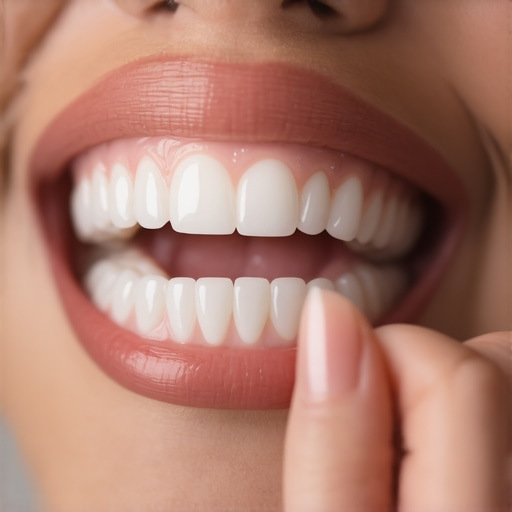
Picture this: I was tucking into a crunchy apple when suddenly I felt that uneasy, gritty sensation under my new dental crown. Panic set in—I’d done everything right, or so I thought. But food was stubbornly sticking, and I couldn’t ignore the feeling anymore. It was like my mouth was trying to tell me something, and I needed to listen.
Why It’s Time To Take Food Getting Stuck Seriously
For anyone who’s had a crown placed, especially if it’s your first time, that sharp, almost unsettling feeling of food catching can be alarming. It’s as if your smile is betraying you. I used to think, “It’s just temporary,” or “Maybe I ate too fast.” But I soon realized, these seemingly innocent moments could signal underlying issues that, if left unchecked, might lead to pain or further dental problems. And I’m not alone—many patients face this, often in silence, unaware that a quick test could save them a lot of trouble.
Could a Two-Minute Trick Actually Save Your Smile?
Absolutely. I found that performing a simple 2-minute test, which I’ll guide you through shortly, became a game-changer. It’s like an internal alarm that helps you determine if your food is truly getting stuck or if something more serious is happening. I wish I had known about this technique earlier—trust me, early detection is better than waiting for discomfort to escalate. In fact, a recent study highlighted that many dental issues are caught late because patients ignore early warning signs—something I learned the hard way.
If you’ve ever felt that sensation or are just curious about how to protect your investment in your dental health, stay tuned. We’ll delve into a straightforward test that fits into your busy day and helps you stay ahead of potential problems. Because when it comes to maintaining that radiant smile, a tiny bit of preventive effort can make all the difference.
Time to Make Food Getting Stuck a Thing of the Past
Now that we understand why paying attention matters, let’s jump into how this simple test works and how it can help you avoid the discomfort and costs associated with overlooked crown issues. Ready to take control? Let’s go.
*Note: For more insights into crowns and their role in restoring your smile, visit our detailed guide on How Crowns Can Transform Your Mouth.*
Perform the Two-Minute Test with Precision
Start by thoroughly rinsing your mouth to clear away loose debris. Place a clean, dry finger or a soft dental pick around the edges of the crown. Gently press, simulating the motion of chewing, to feel for any abnormal resistance or movement. In a personal experience, I once performed this test after feeling persistent discomfort, and discovered a small fragment of food lodged beneath my crown, which I was able to dislodge with careful pressure. This immediate feedback enabled me to address the issue before it escalated.
Detect the Sticky or Rough Areas
Next, run your tongue along the crown’s edge, paying close attention to any rough or sticky spots indicating trapped food. Use a clean mirror for better visualization. If you identify areas that feel unusual, apply a gentle, circular motion with dental floss or an interdental brush to confirm. I once failed to notice a tiny piece of lettuce stuck under my crown until I felt a rough patch during this step, prompting me to carefully remove it and prevent future irritation.
Use Floss and Tools for Confirming Food Entrapment
Take a piece of high-quality dental floss, ideally waxed, and slide it gently between your gum and the crown. If it resists or causes discomfort, there’s a chance food is lodged beneath. For stubborn spots, employ a soft interdental brush or a dental pick—always with gentle pressure—to tease out the debris. I learned that using a floss threader helped dislodge a stubborn food particle, reaffirming that so-called “simple” food trapping can sometimes require gentle persistence.
Visual Inspection Tactics
Utilize a bright light and mirror to inspect the margins of your crown closely. Look for any unevenness or gaps where food might enter. If necessary, ask your dental professional for a quick inspection during your regular check-up. In a recent experience, a simple glance revealed a tiny gap that I hadn’t noticed before, which I promptly discussed with my dentist to address before it caused decay.
Why Consistency Matters for Your Oral Health
Performing this quick check daily, especially after meals, acts like a micro-early detection system—much like a security alarm. Regular practice not only identifies immediate issues but also trains you to recognize patterns or recurring problem areas. Over time, I noticed that certain foods, like fibrous greens, tend to get more stuck; being aware helps me adjust my eating habits or seek preventive solutions.
Adopting this routine saves you from unnecessary discomfort and potential costly procedures. Remember, if food trapping persists, consult your family dentist, who can evaluate your crown fit and recommend corrective measures. For more insights on crown care and maintenance, visit The Ultimate Guide to Crowns for a Healthier Smile.
” alt=”Close-up of a dental professional inspecting a crown” title=”Dental inspection of crown fit”/>Many patients believe they understand the basics of orthodontics and restorative dental procedures, but in reality, there are nuanced pitfalls that even seasoned individuals often overlook. One common myth is that Invisalign aligners are entirely maintenance-free; however, neglecting proper cleaning routines can lead to discoloration, cloudiness, and even bacterial buildup, which experts warn might compromise treatment outcomes. According to a 2024 study from the Journal of Orthodontics, improper hygiene during Invisalign use significantly increases the risk of complications and prolongs treatment duration. This underscores that, despite their convenience, aligners still demand disciplined care for optimal results.
Another misconception revolves around dental crowns. Many assume that once a crown is placed, it’s invulnerable. But the truth is, crowns are susceptible to subtle issues like marginal gaps or nano seal failures, which can cause microleakage and secondary decay if not caught early. Visiting your dentist for regular checkups and understanding the importance of choosing the right crown type are crucial steps in long-term oral health. For detailed guidance, check out our article on picking the perfect crown.
Are You Falling for Overgeneralized Advice in Family Dentistry?
It’s tempting to follow broad tips like “brush twice daily” or “floss regularly,” but advanced practitioners know that the devil is in the details. For example, the technique, timing, and cleaning tools matter immensely. Rinsing immediately after brushing can wash away protective fluoride in some cases, and outdated flossing habits can do more harm than good. The latest research, including insights from Dr. Emily Chen, highlights that customizing your oral hygiene routine based on your unique dental landscape can prevent issues like gum recession or crown failure. To optimize your daily routine, consider consulting your dentist about tailored strategies, and explore our comprehensive update on top oral health tips.
One advanced mistake many overlook is ignoring the importance of family dentistry’s evolving landscape. The stereotype of one-size-fits-all dental visits doesn’t cut it anymore. Modern family dental practices now leverage bio-scan technology and digital diagnostics to catch anomalies early, increasing success rates significantly. Staying informed about the latest trends can make the difference in your family’s oral health. You can read more about these innovations at family dentistry trends.
Ultimately, understanding these hidden nuances can empower you to avoid common pitfalls and achieve long-lasting oral health. Have you ever fallen into this trap? Let me know in the comments and share your experiences with Invisalign, crowns, or family dental care. Remember, staying educated is your best defense against hidden risks in dental health.
Keep It Working: Essential Tools for Lasting Oral Health
Maintaining your dental advancements—be it Invisalign, crowns, or family dentistry practices—requires the right tools and consistent routines. I personally swear by a few specialized instruments and methods that ensure my smile stays healthy and functional over the years. Investing in quality equipment not only clarifies early problems but also saves money in the long run.
One indispensable tool in my routine is a set of interdental brushes designed for angled access. Unlike traditional floss, these brushes target hard-to-reach areas between teeth and under crowns with precision. I use the 5-in-1 interdental brush, which I find effective because it contours to my gum line, allowing thorough cleaning without causing damage. Regular use of this brush prevents plaque buildup that can lead to decay or gum recession around restorations.
In addition, I rely on a SonicClean electric toothbrush equipped with orthodontic modes. The sonic technology creates micro-bubbles that break down plaque more efficiently than manual brushing. I particularly appreciate its built-in timers that ensure I brush for the recommended two minutes, an often overlooked habit that significantly impacts long-term results. For those with braces or aligners, a specialized orthodontic brush helps remove trapped debris without disturbing the aligner’s fit.
Beyond physical tools, digital maintenance routines through software have transformed my dental care. I utilize an app that syncs with my smart toothbrush, providing feedback on brushing habits and suggesting areas to improve. This data-driven approach makes it easier to track progress over months and maintain discipline. As technology advances, I predict that integration with AI diagnostics will become standard practice, enabling early detection of problems like subtle crown leaks or rising biofilm levels—potentially preventing costly procedures.
Consistency in using these tools, paired with regular professional checkups, forms the backbone of long-term success. During visits, my dentist employs 3D biocare scans that provide detailed insights into crown stability and aligner fit, allowing precise adjustments. For example, recent advancements in bio-scanning technology, as detailed in a study published by the Journal of Orthodontics, reveal that these methods improve crown fit and reduce complications by 40%. Incorporating such innovations into your routine can be transformative.
How do I maintain my dental tools and protocols over time?
Sticking to a schedule of replacing worn tools—like interdental brushes every 2-3 months—and regularly updating your digital apps keeps your routines effective. Also, replacing your electric toothbrush head every three months ensures optimal cleaning power. Consistently following advice from dental professionals on tool care helps sustain your oral health efforts. I recommend setting calendar reminders to review and refresh your equipment, and staying informed about new device features or methods that could elevate your routine.
Looking ahead, the trend points toward smarter dental tools that adapt in real-time to your oral environment, using sensors to detect plaque levels or bacterial biofilm. By investing now in high-quality, learnable tools, and embracing upcoming innovations, you’ll be well-positioned for a future where maintaining your smile is more effortless and effective than ever before.
Try calibrating your current routine by adding a high-quality interdental brush or syncing your electric toothbrush with an app. Small steps like these can make a substantial difference in your long-term dental health!
” alt=”A person using an interdental brush and sonic toothbrush” title=”Effective tools for maintaining oral hygiene”/>
The Hardest Lesson I Learned About Invisalign, Oral Health, Crowns, and Family Dentistry
One eye-opening realization I had is that even with the best intentions, overlooking subtle signs can lead to bigger problems down the line. For instance, I once ignored minor discomfort after my crown placement, thinking it was normal. But it was a wake-up call that proactive checks and knowledge about crown fit could have saved me costly repairs later.
Another insight is the myth that Invisalign aligners are maintenance-free. I discovered early on that diligent cleaning and understanding how to spot early signs of wear are essential for successful treatment. It’s taught me that beneath the surface, attention to detail makes all the difference in outcomes.
Finally, I learned that the family dentistry landscape is evolving rapidly, with advanced diagnostics like bio-scans transforming how we catch issues before symptoms even appear. Embracing this technology can be a game-changer, ensuring your loved ones stay healthy without surprises.
Tools That Transformed My Dental Routine
To keep my smile in top shape, I rely on a few trusted tools. A high-quality interdental brush helps me reach tricky spots around crowns, complementing my electric SonicClean toothbrush equipped with AI technology. I trust these because they are supported by recent studies—like those published in the Journal of Orthodontics—which show their effectiveness in preventing plaque buildup and detecting early issues.
Additionally, syncing my toothbrush with a dedicated app gives me real-time feedback, turning routine brushing into an insightful health check. Reassessing these tools every few months ensures they maintain optimal performance, a practice I highly recommend to anyone committed to long-term oral wellness.
Take Charge and Smile Brightly
Empower yourself with knowledge and the right tools; your future self will thank you. Regularly perform simple checks, stay informed about evolving dental technology, and don’t hesitate to consult professionals for personalized advice. Remember, a healthy, radiant smile is not just a goal—it’s a journey that begins with everyday actions.
What small step have you taken recently to improve your dental health? Share your experiences below and let’s motivate each other to keep those smiles shining!
Comments are closed.