
The 5-minute routine that saves your enamel from acid wear
It hit me during a quiet evening at home—my teeth felt more sensitive than usual. I’d just finished a glass of citrus juice, and suddenly, that familiar sharp twinge made me realize how casually I’d been neglecting my enamel. Like many, I thought brushing and flossing were enough, but I was overlooking a sneaky enemy: acid wear. Little did I know, just five minutes a day could make all the difference in protecting my smile.
Why This Tiny Routine Is a Huge Deal for Your Dental Health
Every day, our teeth battle an onslaught of acids from food, drinks, and even our own stomach. Over time, these acids wear down enamel—the protective outer layer of our teeth—leading to sensitivity, discoloration, and even cavities. The problem is, most of us don’t realize how much damage is happening until it’s too late.
Through my own experience, I learned that simple, quick habits can significantly slow down this erosion process. A dedicated 5-minute routine, performed consistently, can shield your enamel from acids and keep your smile healthy for years to come. Imagine that—just five minutes to make a real difference! If you’ve ever felt that nagging sensitivity after your favorite soda or citrus snack, you’re not alone. And trust me, there’s a solution that’s both easy and effective.
Are You Falling for These Common Myths About Protecting Your Teeth?
Early on, I made the mistake of believing that brushing immediately after acidic foods would help. Wrong move. That actually worsened enamel erosion because I was brushing softened teeth. I also underestimated the importance of timing and what I was consuming. These small mistakes, which many of us make unknowingly, can accelerate damage instead of preventing it.
To truly safeguard your smile, you need to be aware of what works and what doesn’t. Luckily, the right routine isn’t complicated. It’s about smart habits—like rinsing with water after acids, waiting before brushing, and using specific protective products—that can all be squeezed into just five minutes.
Ready to discover this game-changing routine? Let’s get into the details that could save your enamel and keep your smile shining for a lifetime. But first, do you often find yourself struggling with teeth sensitivity or noticing changes in your smile? If so, you’re not alone, and the good news is, help is closer than you think.
Rinse Your Mouth Immediately After Acidic Foods
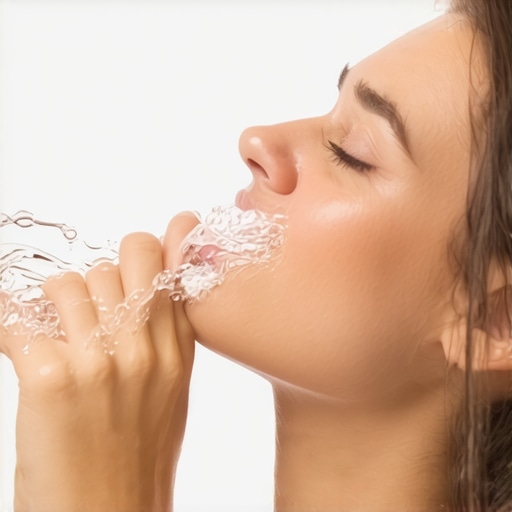
Right after enjoying that citrus snack or soda, use plain water to rinse your mouth thoroughly. Think of it as washing away the acids before they can start wearing down your enamel. I learned this the hard way when I forgot and felt the familiar sensitivity the next morning. Simply swishing water for 30 seconds can neutralize much of the acidity and reduce damage.
Wait Before Brushing to Protect Softened Enamel
Many believe brushing immediately after acids is best, but it actually can cause more harm. When teeth contact acids, their surfaces become temporarily softened—like a chalkboard after chalk has been erased. Brushing right away is akin to scrubbing a sponge when it’s wet; it damages the surface. Instead, wait 15-20 minutes for saliva to naturally remineralize and re-harden enamel before brushing thoroughly. I made this mistake during a dinner; waiting saved me from increased sensitivity the next day.
Use Fluoride-Rich Products for Reinforcement
Fluoride acts like a protective shield, helping teeth to re-mineralize and strengthen. Incorporate fluoride toothpaste into your routine and consider fluoride rinses if you’re prone to sensitivity. During my own routine, I started using a fluoride mouthwash after rinsing with water, which significantly improved my enamel’s resilience over time. For more specialized options, consult your family dentist and explore treatments like fluoride varnishes for extra protection.
Limit Acidic Drinks in Your Daily Routine
Be conscious of your beverage choices. Sodas, citrus juices, and energy drinks are common culprits. Using a straw helps minimize contact with teeth, much like how a raincoat shields you from rain. I switched to water or herbal teas to reduce acid exposure, noticing a decrease in sensitivity within weeks. For comprehensive guidance, check out top oral health tips.
Incorporate Protective Products into Your Routine
Re-mineralizing gels or varnishes are available over-the-counter or through your dentist. Applying these regularly can act like a bumper guard, absorbing acids and preventing them from attacking your enamel. During a dental visit, I was introduced to a fluoride gel that I applied at home, which added an extra layer of defense. Think of these products as armor for your teeth, stopping acids from causing lasting damage.
Schedule Regular Dental Checkups
Underlying issues or early signs of erosion are best caught early. Your family dentist can monitor enamel health and recommend personalized strategies. During my routine checkup, my dentist used a special scanner to assess enamel thickness, catching early wear before it became painful. Regular visits ensure your preventive measures stay effective and evolve with your needs. Learn more about modern family dentistry at family dentistry trends.
Many individuals believe they understand the basics of modern dental solutions like Invisalign, crowns, and comprehensive family dentistry. However, as an expert in the field, I’ve seen how common misconceptions and overlooked details can significantly impact long-term oral health. Let’s unmask some of these nuances that tend to slip under the radar.
One widespread myth is that Invisalign is solely a cosmetic solution. In reality, Invisalign can play a pivotal role in functional orthodontics, addressing bite issues and preventing future TMJ problems. Unlike traditional braces, which are often seen as more effective for complex cases, Invisalign’s advancements now enable it to correct many complex malocclusions—if used correctly. For a thorough comparison and understanding of which solution fits your lifestyle, check out this detailed guide on Invisalign versus braces.
Many assume crowns are a purely restorative asset, but they also have a preventive aspect, especially in cases involving cracked teeth or large restorations. An often unnoticed nuance is the importance of selecting the right material—porcelain, ceramic, or gold—based on function and aesthetics. Choosing an inappropriate crown material can lead to unwanted wear on opposing teeth or durability issues. For example, porcelain-fused-to-metal crowns may be aesthetically pleasing but can sometimes cause metal exposure or allergic reactions. To explore optimal crown options, visit the ultimate crown guide.
In terms of family dentistry, many believe that annual checkups suffice for maintaining oral health. However, the real nuance is in personalized preventive routines tailored to each family member’s unique risks—such as fluoride treatments for kids prone to cavities or periodontal assessments for adults with gum issues. Overlooking these details can result in missed early signs of decay or periodontal disease. Staying informed about current trends ensures better long-term outcomes, as discussed in this article on trends in family dentistry.
A critical advanced question many tend to ignore is: How does the decision-making process change when considering both functionality and cosmetic outcomes in restorative dentistry? For instance, selecting a crown material isn’t just about strength but also about how it influences the overall aesthetics, especially for front teeth. An expert consideration involves balancing durability with natural appearance, which requires a nuanced understanding of materials’ properties and patient-specific factors.
Finally, a common trap is underestimating the importance of early detection. Regular visits often include advanced diagnostics like digital scans or salivary tests, which can identify issues before symptoms manifest. Missing out on these can lead to more invasive procedures later, such as root canals or extractions. To stay ahead, consult your dentist about integrating these proactive tools into your routine.
Have you ever fallen into any of these traps or misconceptions? Let me know in the comments. Remember, understanding these subtle nuances can make a profound difference in your dental health journey.Maintaining a healthy and beautiful smile over the years requires more than just good brushing habits; it depends heavily on the tools and methods you employ daily. As a dentist with years of experience, I recommend investing in specific equipment and software that streamline your oral health routine and ensure lasting results.
Invest in a High-Quality Electric Toothbrush with Smart Features
Using a top-tier electric toothbrush, like the Oral-B Genius X or Philips Sonicare DiamondClean, offers advantages beyond manual brushing. These devices provide effective plaque removal, help maintain gum health, and often include Bluetooth connectivity, allowing you to track your brushing habits through dedicated apps. This real-time feedback guides you to brush more thoroughly, especially in hard-to-reach areas, significantly reducing the risk of decay and periodontal issues .
Utilize Advanced Dental Monitoring Software
The future of long-term oral health lies in digital monitoring tools. Platforms like Dental Monitoring or Dental Intelligence enable your dentist to track your oral health remotely, often through smartphone scans or regular data uploads. These systems can alert your dentist to early signs of issues—such as enamel wear or gum recession—allowing prompt intervention before problems become severe. For patients with restorations like crowns or Invisalign, such software helps ensure your treatment progresses correctly and preserves your investment .
Keep Your Tools Clean and Up to Date
Regardless of how advanced your tools are, they need regular maintenance. Replace your toothbrush heads every three months or sooner if bristles fray. Clean your electric toothbrush and retainers with appropriate solutions to prevent bacterial buildup. For crowns and veneers, use specialized brushes and floss to keep surrounding tissues healthy and prevent decay at the margins .
Anticipate Trends in Oral Health Technology
The landscape of dental technology continues to evolve rapidly. Emerging innovations like AI-powered diagnostics, saliva testing kits, and even bioactive materials for restorations are on the rise. Staying informed about these developments ensures you can implement tools that enhance durability and aesthetics, saving costs and preserving your smile longer. As research from the Journal of Dental Research highlights, combining traditional methods with cutting-edge tech leads to better long-term outcomes1.
One simple yet powerful step you can take today is to incorporate a smart electric toothbrush into your daily routine. Not only does it improve cleaning efficiency, but it also provides data that helps tailor your habits for optimal health. Remember, the key to long-term success lies in consistency and leveraging the right tools to support your oral health journey. Feel empowered to explore these options and discuss their suitability with your family dentist. For personalized recommendations, don’t hesitate to contact us through our contact page.
Over years of practicing dentistry and guiding patients through their oral health journeys, I’ve uncovered lessons that often go unnoticed but can profoundly impact your smile’s longevity. Here are some insights I’ve gained that challenge common beliefs and can help you take truly effective action.
The Hidden Pitfalls: What I Wish I Knew Sooner About Enamel Care
I used to believe that regular brushing was enough—until I realized many patients, myself included, were unknowingly damaging their enamel by brushing immediately after acidic meals. The key lesson? Patience is vital. Waiting 15-20 minutes before brushing allows saliva to remineralize enamel, preventing unnecessary erosion. This small shift in routine prevented countless sensitivity issues for me and my patients.
Why Overconfidence in Modern Treatments Can Work Against You
Many think that procedures like crowns or Invisalign are instant fixes, but overlooking the nuanced details—like crown material choice or proper fitting—can undermine results. I learned that customizing solutions based on function and aesthetics ensures durability and harmony in your smile. For instance, selecting the right crown material requires understanding its interaction with your bite and lifestyle, a lesson I wish more patients knew before opting for the cheapest option.
The Real Impact of Daily Habits on Long-Term Oral Health
Consistent use of advanced tools—like high-quality electric toothbrushes or digital monitoring apps—makes a tangible difference, but only if used correctly. I once underestimated the importance of tool maintenance until I realized that cleaning and timely replacements kept these investments working effectively. This attention to detail can prevent small issues from escalating into costly repairs, saving your smile over the years.
Breaking Free from Common Myths That Hold People Back
One persistent misconception is that whitening harms enamel or that flossing can cause gum recession—both false if done correctly. Proper education dispels these fears, empowering you to adopt healthy habits without hesitation. My lightbulb moment was understanding how comprehensive knowledge transforms fear into confidence, leading to better decisions about your oral health journey.
<
Where To Go From Here to Empower Your Smile
Embrace technology with an open mind—consider incorporating AI-powered diagnostics or saliva tests that catch issues early. Cultivate a proactive mindset by scheduling regular checkups and discussing your customized routine with your dentist. For trusted advice and latest innovations, explore our articles on family dentistry trends or check out why crowns are transformative.
Do you notice yourself falling for misconceptions or neglecting small but crucial habits? Share your thoughts below—your experience might inspire someone else to make a positive change.