
The best snacks for kids that won’t cause instant cavities
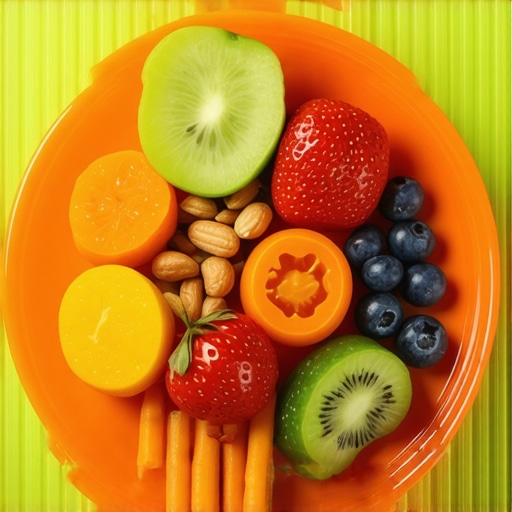
One afternoon, I caught my kid with a sticky, sweet smile—almost too proud—and then immediately panicked. His tiny fingers were smudged with caramel, and I realized I’d just handed him a cavity waiting to happen. It hit me hard—how many snacks were secretly sabotaging our family’s oral health without us realizing? As a parent, it’s a constant balancing act between giving in to those adorable puppy-dog eyes and knowing that some treats can cause more harm than good, especially when it comes to cavities.
Why Finding the Right Snacks Matters for Your Child’s Smile
In my early days as a parent, I made the mistake of thinking that all snacks labeled ‘healthy’ were truly safe for my kids’ teeth. Turns out, many so-called healthy options are packed with hidden sugars and acids that can lead to rapid decay. I learned this the hard way after a visit to our family dentist, where I discovered that even seemingly innocent snacks could be culprits in the cavity menace. The truth is, what our kids munch on between meals can significantly impact their dental health. That’s why choosing snacks that won’t cause instant cavities is more critical than ever—not just for their teeth but for their overall wellbeing.
Research shows that frequent snacking, especially on sugary or sticky foods, dramatically increases the risk of cavities. According to the American Dental Association, frequent exposure to sugar feeds bacteria in the mouth, producing acids that erode enamel—the protective outer layer of teeth—leading to decay. Essentially, every sugary bite or chewy treat is like giving bacteria a free buffet, and cavities are the inevitable dessert.
Now, I want to share with you some practical strategies I’ve embraced to shield my children’s smiles. Whether it’s swapping out relentless sugar assaults for healthier options or smarter snack timing, these moves can make a world of difference. And yes, I’ll tell you how to enjoy treats without the guilt, too. So, if you’re tired of battling cavities while trying to keep your kids happy, stay with me. We’re about to explore delicious, cavity-conscious snack choices that can keep those tiny teeth shining bright.
Is Your Kid’s Favorite Snack Secretly Sabotaging Their Smile?
Admitting I made mistakes early on—like letting my kids snack on fruit snacks and cereal bars without considering their sugar content—made me realize just how easy it is to fall into the trap. But knowledge is power. Once I understood how even seemingly healthy snacks could affect dental health, I started making smarter choices. Want to avoid the same pitfalls? Let’s dive into the secrets of choosing snacks that support your child’s teeth rather than undermine them. And remember, small changes can lead to big smiles! Want to learn more about proper oral care? Check out our top oral health tips for your family.
Establish a Consistent Oral Hygiene Routine
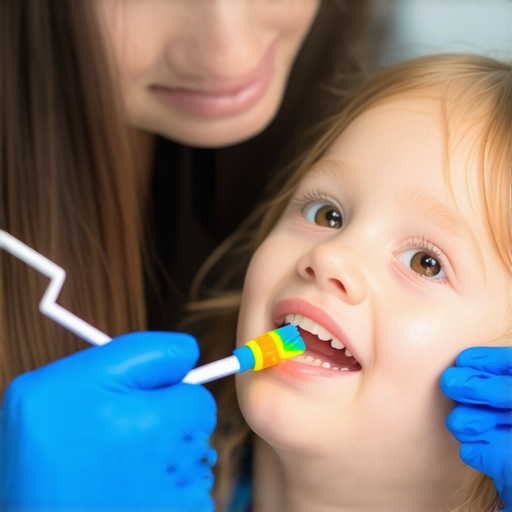
Start by teaching your child to brush twice daily with fluoride toothpaste, making it a non-negotiable part of their day. I remember when my daughter was three; I turned brushing into a fun game, singing a two-minute song while she scrubbed. That approach not only made the process enjoyable but also ensured she brushed thoroughly. Use a timer or a singing app to keep this time critical, as short, effective brushing removes plaque and reduces cavity risk.
Introduce Flossing as a Daily Habit
Flossing is often overlooked but essential, especially for kids with spaced or crowded teeth. I got my son a colorful, child-friendly floss pick and explained how it removes food particles between teeth—areas brushing might miss. Initially, it was messy; he slipped and squished toothpaste everywhere, but persistence paid off. Making flossing a daily routine prevents plaque buildup and gum disease, supporting long-term oral health.
Choose Snacks That Protect Teeth
Replacing sugary, sticky snacks with healthier options is crucial. Instead of fruit gummies or cookies, offer crunchy vegetables, cheese, or nuts. I learned this when I packed sliced carrots for my daughter’s school snack—she loved the crunch, and it helped clean her teeth naturally. Avoiding frequent snacking on sweets reduces acid exposure, lowering cavity risk. If you’re unsure which treats are safe, check out our top oral health tips for ideas.
#{ }
}
Timing Snacks Smartly
Limiting sugary snacks to mealtimes minimizes their damage. During meals, saliva production increases, naturally neutralizing acids and washing away food debris. I adopted this by scheduling the ‘treat’ moment right after lunch, ensuring less sitting time for sugar to harm enamel. This simple shift makes a significant difference, especially when combined with proper brushing afterward.
Encourage Water Consumption
Water aids in rinsing away sugars and acids, keeping the mouth clean. I kept a fun, colorful water bottle in my child’s backpack, turning hydration into an adventure. Also, offering water instead of juice or soda between meals drastically cuts down acid and sugar contact with teeth. This habit not only benefits oral health but also supports overall hydration and health.
Regular Dental Check-Ups Preserve Smiles
Biannual visits to the dentist catch problems early. At our last visit, the dentist praised my daughter’s well-maintained teeth and showed her how to floss properly. Remember, professionals can detect early signs of decay or misalignment, and advice tailored to your child’s growth—especially if orthodontics like Invisalign are on the horizon—can prevent future issues. Learn more about correcting misalignments with Invisalign options.
Limit Sticky and Hard Foods
Foods like caramel, hard candies, or tough chips can chip or dislodge crowns. I recall when my son accidentally broke a crown eating a crunchy snack; it was messy but a learning moment. Limiting these foods reduces the risk of dental injuries or damage, protecting recent restorations and natural teeth alike.
Implement the Right Restorative Measures
If issues arise, see a family dentist promptly to explore restorative options like crowns, veneers, or fillings. For example, crowns can protect weakened teeth or replace damaged restorations, preventing further decay. To ensure a long-lasting solution, choose an experienced crown specialist. Proper care and timely intervention keep your child’s smile healthy and bright.
Many patients walk into dental offices with preconceived notions about treatments like Invisalign and crowns, often based on misconceptions or incomplete information. As an expert in family dentistry, I’ve seen how these myths can lead to poor decisions, unnecessary costs, or even compromised oral health. Let’s dig deeper into some of the most common misunderstandings—and how to avoid falling into these traps.
One prevalent myth is that all dental crowns are alike, leading many to believe that any crown will serve the same purpose. In reality, crowns vary significantly; porcelain crowns offer a natural look but may lack strength in certain cases, while metal crowns are more durable but less aesthetic. Choosing the wrong type can result in frequent repairs or adjustments. To ensure a long-lasting, functional restoration, it’s crucial to work with an experienced crown specialist.
Similarly, there’s a misconception that Invisalign is only suitable for mild alignment issues. In truth, advances in clear aligner technology have expanded its capabilities, allowing effective correction of complex malocclusions. However, some providers might overpromise results without considering individual cases, leading to dissatisfaction. When considering Invisalign, consult an expert who evaluates your unique needs and understands how to tailor treatment accordingly. For a comprehensive comparison, read our Invisalign vs. braces guide.
A critical nuance often overlooked is the importance of proper treatment planning and the potential pitfalls of DIY solutions. For example, attempting to fix minor dental issues without professional guidance can exacerbate problems, resulting in new cavities, misaligned bite, or damage to existing restorations. This is especially true when dealing with restorative procedures or orthodontics. Regular family visits are essential—not just for cleaning but for personalized assessments. Learn more about family dentistry trends that support proactive care.
**What about the misconception that oral health is isolated from overall health?** This false belief can be dangerous, as poor dental hygiene has been linked to cardiovascular diseases, diabetes, and even Alzheimer’s. For example, untreated gum disease releases bacteria into the bloodstream, contributing to systemic inflammation. Recognizing these hidden connections emphasizes the need for comprehensive, routine care. Stay updated with the latest insights by visiting our oral health tips page.
So, next time you think you know everything about your treatments, remember that misconceptions can be costly. Always seek advice from a qualified professional who understands the nuances that make your individual case unique. Have you ever fallen into this trap? Let me know in the comments! Your questions and experiences could help others navigate their own dental journeys more wisely.
How Do I Keep My Dental Restorations and Invisalign Aligned Over Time?
Maintaining your dental work and clear aligners requires more than just good intentions; it depends on the right tools and methods. I personally rely on high-quality ultrasonic toothbrushes, like the Philips Sonicare DiamondClean, which effectively remove plaque and debris without damaging restorations or aligners. This advanced tool vibrates at 62,000 brush movements per minute, reaching into crevices that manual brushing often misses, and uses sonic technology to dislodge food particles gently and efficiently.
Alongside a quality toothbrush, I recommend using an interdental brush like the GUM Go-Betweens for spaces around crowns and braces. These small, flexible brushes can navigate tight spots and clean around brackets and attachments without causing wear or damage, ensuring long-term durability of restorations and consistent Invisalign fit. Regular use prevents plaque buildup and plaque-related decay, which is vital when you are investing in crowns or orthodontics.
For keeping track of your oral hygiene progress and ensuring that your aligners and restorations stay in optimal condition, I turn to digital monitoring tools like the Quip Smart Electric Toothbrush, which connects via Bluetooth to a mobile app. This technology provides real-time feedback and reminders, making it easier to stick to a routine and catch issues early before they escalate into costly repairs or adjustments.
Looking ahead, the trend is moving toward integrating smart sensors directly into dental appliances. Future innovations may allow your Invisalign trays or crowns to monitor pH levels, wear patterns, or detect early signs of decay, alerting you or your dentist proactively. This convergence of technology promises to make long-term dental maintenance more precise and personalized.
What’s the Best Way to Preserve Your Dental Investments Long-Term?
Establishing a routine with the right tools is key. For instance, I recommend trying the method of soaking aligners in an ultrasonic cleaner like the Sonic Vibe Ultrasonic Cleaner, which uses sonic waves to remove stubborn plaque and improve clarity—something I personally found effective for maintaining Invisalign trays. You can add a specialized cleaning solution, such as [Oxyfresh Fresh Breath Oral Rinse](https://familydentistpro.com/top-oral-health-tips-for-your-familys-bright-smiles), to enhance cleaning effectiveness.
By investing in these digital and ultrasonic cleaning tools, you’re taking active steps toward extending the life of your restorations and aligners. Regular maintenance not only preserves their appearance but also ensures they continue to function effectively, providing the confidence of a healthy smile for years to come.
As I see these technologies evolving, it’s exciting to anticipate even smarter solutions that will allow us to monitor and manage oral health remotely—making maintenance more effortless and proactive. Until then, integrating ultrasonic cleaning into your routine and selecting the right brushes can dramatically improve your results. Try using an ultrasonic cleaner this week—you might be surprised at the difference it can make in preserving your dental investments!
Lessons I Wish I Learned Sooner About Smile Care
- It took me making a few costly mistakes—like neglecting flossing—to realize that small daily habits significantly impact long-term dental health.
- Rushing into treatments like crowns or Invisalign without proper research can lead to frustration; patience and education are key.
- Recognizing that not all dental products are created equal saved me from unnecessary damage—trusting my dentist’s advice made all the difference.
- Early signs of dental issues are not always obvious; regular check-ups catch problems before they escalate, saving time and money.
- The true value of comprehensive oral care is understanding how cosmetic and restorative treatments work together to support overall health.
Tools That Transformed My Approach to Oral Hygiene
- The Philips Sonicare DiamondClean became my go-to for deep cleaning and preserving my crowns and aligners—its sonic technology reaches places manual brushes miss.
- I swear by interdental brushes like GUM Go-Betweens to clean around brackets and crowns—preventing plaque buildup and extending restoration lifespan.
- Using ultrasonic cleaners such as the Sonic Vibe Ultrasonic Cleaner for Invisalign trays makes maintenance effortless and effective—saving me countless trips to the dentist.
- Digital monitoring tools like the Quip Smart Electric Toothbrush help me stay consistent with routines and catch issues early, thanks to real-time feedback.
Your Smile Deserves More Than Just Routine Care
Every smile is unique, and so is the journey to maintaining it. Remember, investing in quality tools, staying informed, and seeking personalized advice from specialists can truly elevate your oral health game. Don’t wait until problems arise; start integrating these insights today and take charge of your dental future. Your confident smile is worth it—trust me, the effort pays off in every bright, healthy grin.
What’s one change you’re ready to make for a healthier smile? Share your thoughts below—let’s support each other’s journey to brighter smiles!
,