
The best toothbrush options for people with limited wrist mobility
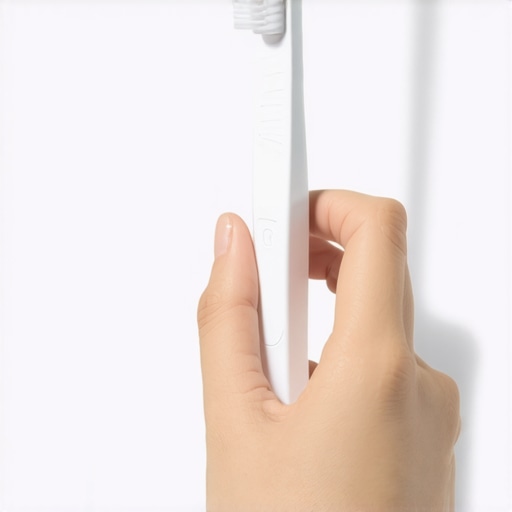
It hit me one morning when I struggled to brush my teeth and felt a wave of frustration. My wrist ached, limited movement made my usual routine difficult, and I wondered if I could ever enjoy a comfortable, effective way to keep my smile healthy. That moment was a lightbulb flash—many people face this daily challenge, and finding the right toothbrush isn’t just about convenience; it’s about maintaining health and confidence without added pain or frustration.
The Challenge of Limited Wrist Mobility and Oral Care
Is Your Toothbrush Making Things Worse?
Early in my search, I made the mistake of assuming that all toothbrushes are created equal. I bought regular electric brushes, thinking they would be easier—only to discover the bulky handles and awkward movements worsened my wrist discomfort. I realized that my earlier approach overlooked how crucial design and grip are for people with limited mobility. It’s not just about cleaning teeth but doing so comfortably and effectively.
According to experts, choosing the right toothbrush can significantly impact oral health, especially for those with mobility issues. The American Dental Association points out that ergonomic designs can make a big difference in daily oral hygiene routines (ADA, 2023). So, let’s explore how I found solutions that work—solutions that might do the same for you.
This journey is about discovering tools that empower, not hinder. Whether it’s a specially designed handle or a simple modification, the goal is to make brushing feel natural and doable again. Stay tuned as I share practical insights into selecting the best toothbrush options for limited wrist movement, and how a small change can make a big difference in your life.
Identify Your Needs and Limitations Clearly
Begin by assessing your wrist mobility challenges honestly. Recall a time I was overwhelmed by a standard toothbrush handle that caused discomfort. Recognizing that regular handles were a barrier, I needed a targeted solution. Write down specific movements that cause pain or difficulty and note any existing grip issues. This clarity serves as a foundation for selecting tools that genuinely suit your unique condition.
Explore Ergonomic and Adaptive Toothbrush Designs
Look for toothbrushes with larger, non-slip handles or flexible necks. I found that a toothbrush with an ergonomically contoured handle significantly reduced wrist strain. Also, consider electric models with a lighter weight or a handle designed for ease of use. Test different models if possible, much like trying different shoes to find the perfect fit. The right design can transform your brushing routine from a chore into a manageable task.
Use a Non-Slip Grip or Custom Modifications
If commercial options fall short, customize your toothbrush. Wrap a soft grip or cloth around the handle to improve grip, similar to adding a cozy grip on a sports equipment. In my case, I taped a rubber grip onto the handle, which provided extra traction and control. This simple fix prevented slipping and allowed for more precise movements, making the process smoother and more comfortable.
Select Tools That Require Less Physical Effort
Prioritize powered toothbrushes with oscillating or sonic motion. I chose one with a small, manageable head—akin to steering a car with ease rather than fighting the wheel. These devices can do much of the work for you, reducing the strain on your wrists and hands. Remember, the goal is efficiency with minimal effort, much like using power tools instead of manual ones for demanding tasks.
Integrate Routine Adjustments for Better Outcomes
Combine adaptive tools with proper technique. Use a toothbrush with a gentle, sweeping motion rather than aggressive scrubbing. I learned that slow, deliberate strokes, supported by a comfortable grip, minimized discomfort and maximized cleanliness. Practicing mindful brushing not only protects your wrists but ensures thorough oral care—think of it as playing it smart rather than hard.
Establish a Habit of Regular Maintenance and Evaluation
Revisit your tools periodically to ensure continued comfort. Over time, wear and tear can diminish their effectiveness. I checked my modified handle weekly, adjusting the grip tape as needed. Also, stay informed about new innovations by visiting specialists or reading reliable resources. Remember, a small investment in tools and technique can lead to significant improvements in your daily routine.
Many people assume they’ve got oral health all figured out, but beneath the surface lie nuanced misconceptions that can hinder proper care. For instance, a common myth is that more frequent brushing always prevents cavities. In reality, excessive brushing, especially with harsh tools, can erode enamel and irritate gums, leading to sensitivity and even recession. The key is to brush correctly and at appropriate intervals, focusing on technique rather than just frequency.
Are All Dental Solutions Created Equal? A Deep Dive into Common Myths
When it comes to family dentistry, many believe Invisalign is solely for aesthetic improvements. However, as explained in this article, Invisalign also plays a significant role in correcting bite issues, which can improve long-term oral health by reducing uneven wear and preventing TMJ disorders. Beware of the trap of thinking all clear aligners are the same—consulting a specialist can reveal personalized options that suit your specific needs.
A prevalent misconception about crowns is that they are purely cosmetic. While crowns do restore the appearance of damaged teeth, their primary function is to protect compromised enamel and restore functionality. Using crowns appropriately can prevent further decay and save teeth that might otherwise require extraction. Check out this resource for in-depth insights.
For those considering restorative procedures, understanding the nuances can significantly impact outcomes. For example, choosing between porcelain fused to metal crowns versus all-ceramic crowns involves weighing durability against aesthetics, a decision best guided by a dental professional. As highlighted in top tips for oral health, tailored treatments aligned with your lifestyle ensure long-lasting and satisfying results.
Remember, not every quick fix marketed online aligns with evidence-based practices. Recognizing the difference between myths and facts empowers you to make better decisions—leading to healthier teeth and gums over the years. Have you ever fallen into this trap? Let me know in the comments.Maintaining your oral health over the years requires more than just good habits; it demands the right tools that adapt to your evolving needs. I invested in a high-end, oscillating-rotating toothbrush from Oral-B, specifically the Genius X model, because its SmartRing technology and AI-powered brushing guidance help me ensure every corner gets proper attention. This brush’s deep cleaning capabilities, combined with the pressure sensor, protect my gums from overbrushing—a common mistake that can cause recession over time. Additionally, I utilize a water flosser, the Waterpik Ultra, which has proven invaluable for dislodging debris from hard-to-reach areas, especially around crowns and bridges. Its jet stream not only cleans effectively but also stimulates gum tissue, promoting health long after the initial cleaning. For whitening and stain removal, I swear by a professional-grade LED whitening system, such as GLO Science, which accelerates whitening at home while being gentle on sensitive teeth, ensuring I keep my smile bright without risking enamel damage. The future of oral health tools is leaning toward smart devices that connect to apps, providing real-time feedback and personalized advice. As technology advances, these innovations promise even greater reliability and ease of use for maintaining our smiles seamlessly over decades.
Four Lessons That Changed My Approach to Dental Health
- Get to Know Your Body’s Signals: I once dismissed early signs of discomfort, only to face more serious issues later. Listening carefully to my own sensations about oral health helped me catch problems before they escalated.
- Choose Tools Based on Comfort and Functionality: Swapping generic toothbrushes for ergonomic, adaptive designs transformed my daily routine into a pain-free experience. It taught me that investing in personalized tools yields long-term benefits.
- Recognize My Limitations and Adapt: Understanding my wrist mobility challenges led me to powered toothbrushes and custom modifications, demonstrating that adaptation fosters independence and confidence.
- Stay Open to Innovation and Education: Regularly exploring new dental technologies and expert advice kept my routine effective and engaging, proving that continuous learning is key to lasting oral health.
Must-Have Resources for Smarter Dental Care
- American Dental Association’s Website: The ADA offers trusted guidelines on choosing the right toothbrushes and techniques, which I consult whenever updating my oral routine.
- Invisalign myth-busting articles: These helped me understand the nuances and real benefits of clear aligners beyond aesthetic improvements, empowering my treatment choices.
- Restorative dental procedures: Learning more about crowns and their protective role encouraged me to preserve my natural teeth wisely and long-term.
- Practical oral health tips: Applying this advice makes my daily habits more effective and enjoyable, supporting my family’s smiles every day.
Your Smile’s Next Chapter Starts Today
“Taking charge of your oral health isn’t just about avoiding dental issues; it’s an act of self-care that can last a lifetime. Small changes, personalized tools, and staying curious about advancements make all the difference. Remember, your smile is your best asset—nurture it with confidence, curiosity, and kindness.”
What are the first small step you’re planning to take toward better dental comfort? Share your thoughts below!