
The best way to clean your tongue without gagging
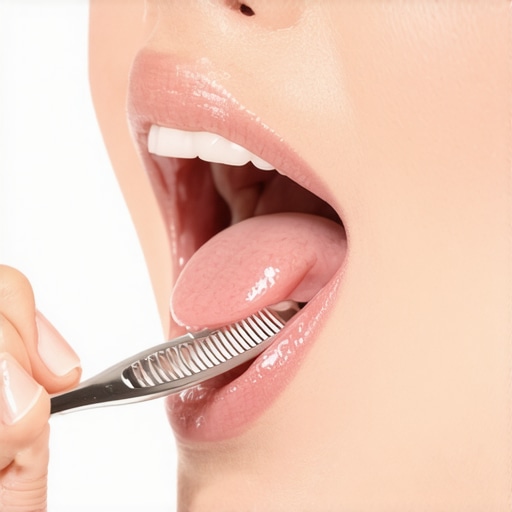
It started with a sudden gag reflex in the middle of brushing my teeth—one of those embarrassing moments where saliva and panic collide. I couldn’t believe how a simple task like tongue cleaning could turn into a battle of nerves and gagging fits. I’ve been there, frantically trying to scrape my tongue without retching, feeling frustrated and defeated.
But here’s the truth: tongue hygiene is a game-changer for fresh breath and overall oral health. Yet, many of us avoid it altogether because of that uncomfortable gag reflex. If you’ve ever wondered, “Is there a way to clean my tongue without feeling like I’m about to vomit?” then you’re in the right place. Today, I promise to share practical, easy techniques that actually work for many of us who struggle with gagging.
Why Gagging During Tongue Cleaning Is So Common—and How to Fix It
When I first tried to scrape my tongue, I quickly learned that the gag reflex is an automatic response designed to protect your airways. It’s more sensitive than most of us realize—especially when the scraper touches the back of the tongue. According to oral health experts, up to 85% of people experience gagging when attempting to clean their tongue, which is a surprisingly high number. That’s why so many just skip this step altogether, missing out on vital benefits.
One common mistake I made early on was using a scraper that’s too broad or applying excessive pressure. That approach only increased my gag reflex and made the process miserable. I also didn’t realize that the position of my body and breathing technique have a big impact on how comfortably I could clean my tongue.
Now, imagine being able to clean your tongue effectively—reducing bacteria buildup, halitosis, and even improving taste sensation—without feeling like you’re on the verge of gagging. That’s the goal, and I’ll show you how to get there.
If you’ve faced this problem, know that you’re not alone. Many people battle with gag reflexes, especially when starting new health routines. The good news is, with a little patience and some minor adjustments, you can master the art of tongue cleaning that’s both effective and comfortable.
Before we get into specific techniques, let me share a quick tip: developing a better understanding of your gag reflex can make all the difference. It took me a while to realize that reducing anxiety about the process and gradually desensitizing my gag response was crucial. If you’re interested in more expert insights, visiting your family dentist can be a great step—because they can tailor advice specifically for your needs. You can also find helpful tips in our comprehensive guide on oral health improvements.
Choose the Right Tool for Gentle Cleaning
Starting with a soft-bristled scraper or a specially designed tongue cleaner is crucial. I remember grabbing a thick plastic scraper my friend recommended, but it was too aggressive, causing immediate gagging. Instead, I switched to a silicone tongue brush that gently cleaned without touching too far back. Invisalign innovations show how gentle methods can be more effective and comfortable. Always opt for tools labeled as soft or flexible.
Step 1 – Position Your Body for Comfort
Lie down or tilt your head slightly back, similar to trying to look at the ceiling. This angle reduces the gag reflex by limiting sensation at the back of your tongue. I learned this during a messy morning when I was desperate to clean my tongue before work; tilting my head loosened the gag response substantially.
Step 2 – Breath Deeply and Calmly
Before starting, take slow, deep breaths through your nose. This calms your nervous system and tricks your gag reflex into relaxing. During my first attempt, I focused on slow breathing and found that my triggers became less sensitive. Avoid shallow or rapid breaths, as they can escalate gag sensitivity.
Step 3 – Work Gradually Forward
Start cleaning at the tip of your tongue, where gagging isn’t an issue. Gently scrape or brush the front, then progressively move a little farther back with every pass. Think of it as peeling a fruit—gradually, not all at once. On my third try, I applied this method and was able to reach the middle of my tongue comfortably, which was a breakthrough. Remember, never force the tool too far back until you’re ready.
Step 4 – Incorporate Distraction Techniques
Focusing your mind on something else—like counting or listening to music—diverts your attention from the gag trigger. I often hummed a song softly in my head as I cleaned, which kept my gag reflex at bay. This simple trick significantly improved my comfort level.
Step 5 – Establish a Routine
Consistency breeds familiarity. Commit to cleaning your tongue daily using these steps. Over time, your gag reflex will desensitize further, making the process smoother. During a week of diligent practice, I noticed I could clean my entire tongue with minimal discomfort—just like the experts say in restorative dentistry innovations.
Additional Tips to Boost Confidence
If your gag reflex persists, consider saliva stimulation—sucking on a sugarless candy or scraping gently with a damp cloth beforehand can reduce sensitivity. Remember, everyone’s different; what worked for me might differ from your experience, so customize these methods accordingly. More advanced techniques include gradually extending the scraping distance over weeks, as suggested by [family dentistry secrets](https://familydentistpro.com/family-dentistry-secrets-maintaining-oral-health-with-modern-techniques-at-254-pm), which can accelerate desensitization.
< >Many people believe they understand the essentials of oral health, but in reality, several widespread misconceptions can undermine their dental care. For instance, it’s a common myth that every dental issue requires aggressive treatment or expensive solutions, yet in my experience, personalized, preventive approaches often yield better long-term results. Regarding Invisalign, many assume it’s only for teenagers or that it’s less effective than traditional braces, but recent innovations show it’s now a versatile, adult-friendly option that can deliver remarkable alignment results when used correctly.
Are We Overlooking the Nuances That Ensure Success?
One often-overlooked nuance is the importance of proper attachment placement for Invisalign attachments, which play a crucial role in effective tooth movement. Studies highlight that incorrect positioning can significantly delay treatment or reduce its effectiveness, yet many patients and even some providers underestimate this aspect. This oversight reflects a broader trend where superficial understanding leads to subpar outcomes.
Similarly, misconceptions about crowns abound. Many think crowns are only necessary for aesthetic reasons or after a root canal, but their primary benefit is restoring strength and function to compromised teeth. Choosing the wrong type of crown—such as opting for a porcelain-fused-to-metal when a full porcelain crown isn’t indicated—can result in issues like gray gum lines or excessive wear. It is essential to consult with a knowledgeable crown specialist who considers your bite, esthetic desires, and long-term health, perhaps exploring options like zirconia crowns for durability. For a deeper insight into crown selection, check out this guide on restorative dentistry innovations.
Many assume that family dentistry is just about the basics—cleanings, exams, and fillings—but in my experience, the best family practices incorporate advanced diagnostics, tailored preventive plans, and modern technology to ensure all ages maintain optimal oral health. Failing to recognize these nuances can lead to missed opportunities for early intervention, especially for children whose developing teeth need special attention. If you’re interested in staying ahead with the latest trends, explore family dentistry trends that are shaping the future.
Beware of the trap where patients believe that one-size-fits-all solutions are sufficient; every mouth is unique, and a comprehensive assessment by an experienced dentist can reveal hidden issues—like emerging bite problems or subtle wear patterns—that might otherwise be ignored. Recognizing these subtle nuances leads to more effective, personalized treatment plans that safeguard your oral health for years to come. Have you ever fallen into this trap? Let me know in the comments.Maintaining your dental health over time requires more than just regular brushing and flossing; investing in the right tools and adopting effective routines are key to sustaining a bright, healthy smile. Personally, I rely on high-quality, ergonomic equipment that minimizes discomfort and maximizes efficacy. For example, I use the Philips Sonicare DiamondClean Smart toothbrush, which features multiple brushing modes and smart sensors that ensure you’re cleaning your teeth thoroughly without applying excessive pressure. These features help prevent damage to enamel and gums, prolonging the lifespan of your dental work such as crowns and implants.
Another essential tool I recommend is a water flosser like the Waterpik Aquarius, which is especially beneficial for cleaning around Invisalign trays and dental crowns. Its pulsating water stream reaches areas traditional floss can miss, reducing plaque buildup and preventing periodontal issues. Regular use of this device has contributed to my long-term oral health by maintaining tissue integrity and reducing inflammation.
Beyond physical tools, incorporating user-friendly dental software like Dentrix Ascend allows for tracking your oral health routines, appointment schedules, and even symptom journaling. Digital records help you and your dentist identify trends over time and tailor treatment plans proactively. These systems forecast future trends in dental care, predicting increased integration of AI diagnostics for personalized treatment adjustments—an evolution worth embracing for sustained health.
How do I keep my dental appliances and crowns in top shape over time?
Ensuring the longevity of crowns and implants involves regular professional check-ups and adhering to specific at-home protocols. Use non-abrasive whitening pastes to prevent surface degradation of crowns, and avoid biting hard foods that could crack structural components. Regularly inspecting your dental work for signs of wear or damage is crucial—early detection can prevent costly repairs. Scheduling semi-annual visits for professional cleanings and examinations is vital; during these visits, your dentist will professionally polish your restorations and check for any issues, much like how targeted diagnostic tools like digital X-rays improve precision in detecting problems at their earliest stage. In fact, a study published in the Journal of Prosthetic Dentistry emphasizes that routine maintenance greatly extends the functional lifespan of crowns. Be proactive: if you notice any changes in how your crowns feel or look, consult your dentist promptly. For comprehensive guidance, visit our detailed article on treating and maintaining crowns.
Additionally, advancements in materials, like zirconia and lithium disilicate, are setting new standards in crown durability and aesthetic appearance. Choosing the right material and expert application can dramatically impact long-term results. If you’re considering new restorations, explore our resource on how crowns can transform your oral health to make informed decisions.
In the future, expect tools like 3D scanning and AI-driven assessment software to foster even better, personalized maintenance routines. Regularly updating your tools and techniques based on emerging technology will ensure your oral health remains optimal for decades. I encourage you to try integrating a water flosser into your daily routine—it’s a game-changer in long-term maintenance and a small step that yields significant benefits, especially when caring for crowns and implants. For more expert tips, check out our latest trends in family dentistry innovations.
Three Hidden Truths I Wish I Knew About Oral Hygiene
First, I underestimated how much body positioning and breathing could influence my gag reflex. Adjusting my head tilt and focusing on deep nasal breaths transformed my experience. Second, I discovered that starting with ultra-gentle tools and gradually increasing reach is key—overaggressive scraping only triggered more gagging. Third, I realized that distraction techniques, like humming or counting, can divert your mind from the gag trigger, making the process smoother and more effective.
Tools and Resources That Turned My Routine Around
I trust the silicone tongue brushes from Invisalign innovations because they are gentle yet thorough. My laser-focused tip for beginners is to invest in a soft, flexible scraper—I’ve found they minimize discomfort and reduce gagging. For ongoing support, the family dentistry trends page offers insights into modern oral health techniques that complement daily routines. Also, consulting your dentist can provide personalized strategies tailored to your gag reflex sensitivity, ensuring sustained oral health progress.
This is Your Moment to Elevate Your Oral Care
Remember, improving your tongue hygiene isn’t just about fresh breath—it’s a vital step toward long-term oral health. With patience, customized tools, and mindful techniques, you can turn an uncomfortable chore into a manageable, even empowering part of your daily routine. Why not give these methods a try today and embrace a healthier, more confident smile?
What is the one technique that helped you overcome your gag reflex? Share your experience below—I’d love to hear your story and support your journey toward better oral health!
,