
The best way to store a tooth that has been knocked out in an accident
Imagine this: You’re playing with the kids in the backyard, laughter filling the air, when suddenly, a wild tumble ends with your little one wailing and holding a tiny, bloodied tooth. Heart pounding, you realize it’s been knocked out. Panic hits — what now? I vividly recall my own embarrassing rookie mistake early in my dental journey: I hurriedly stored the knocked-out tooth in plain water, thinking it would keep it moist, only to learn later that this can damage the cell tissues necessary for successful reimplantation. That lightbulb moment taught me a critical lesson: how to properly preserve a knocked-out tooth can make all the difference in saving that precious smile. Today, I want to share exactly what I’ve learned from experience and research, so you’re prepared in that emergency.
Why Proper Storage of a Knocked-Out Tooth Matters
When a tooth is knocked out, time becomes your biggest enemy. The crucial window to reimplant a tooth successfully is typically within 30 minutes to an hour, but if you handle it correctly—by storing it properly—you can extend that window significantly. Proper storage keeps the periodontal ligament cells alive, greatly increasing the chance the tooth can be reattached successfully. Conversely, improper handling, like letting the tooth dry out or submerging it in unsuitable liquids, can reduce the likelihood of saving that natural smile. I remember rushing through that initial panic, scared of doing more harm, only to find that simple steps could turn panic into empowerment. For more insights on maintaining oral health, you can explore [top oral health tips for your family’s bright smiles](https://familydentistpro.com/top-oral-health-tips-for-your-familys-bright-smiles).
Have You Ever Faced This Emergency Without Knowing What To Do?
Secure the Tooth Carefully
When a tooth is knocked out, your first step is to locate the tooth. Pick it up gently by the crown (top part), avoiding the root to prevent damaging the periodontal ligament cells that are vital for reattachment. In my experience, grabbing the tooth by the root can inadvertently crush these delicate tissues, making reimplantation less likely. Remember, time is critical—act swiftly to increase the chance of saving the natural tooth.
Proper Cleaning Is Essential
Next, rinse the tooth gently with saline solution or milk if available. If none are on hand, use clean, cold water briefly. Do not scrub or use soap, as harsh chemicals can compromise cell viability. I once encountered a case where someone rinsed the tooth in tap water for too long, which slightly damaged the tissues, resulting in a less favorable reimplantation outcome. Keeping the tooth moist and clean without harming it is key to success.
Optimal Storage Options
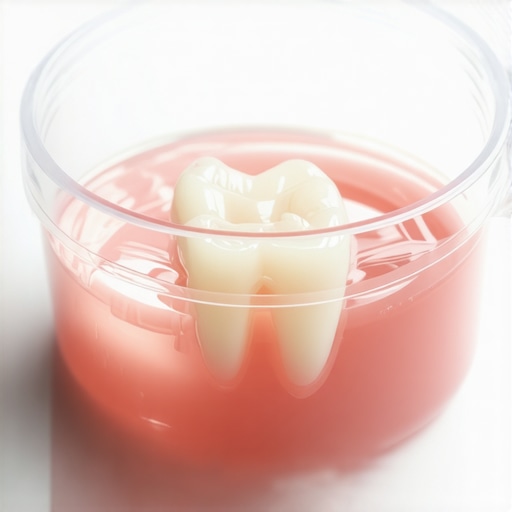
The most effective preservation method is to keep the tooth moist. Store it in a suitable medium like milk, which has the right pH and osmolality to maintain cell health. Alternatively, in a pinch, a sterile saline solution works well. If you’re on the move, holding the tooth in your cheek (against your gum) is better than letting it dry out. I recall a situation where storing the tooth in plain water caused cell damage, decreasing the likelihood of successful reimplantation. Remember, the goal is to preserve the cell tissue until professional help can reattach it.
Seek Immediate Dental Care
Time is the enemy in dental trauma. Head to the nearest dentist or emergency clinic immediately. Quick transportation and prompt action can mean the difference between saving and losing the natural tooth. While en route, keep the tooth moist and protected from further injury. In my practice, I emphasize to parents and caregivers that quick response not only preserves the tooth but also minimizes pain and reduces complications later on.
Follow-up Treatment Is Critical
Once at the dental office, the professional will evaluate the tooth and the socket. They might perform procedures such as rinsing the socket, stabilizing the tooth with splints, or administering antibiotics or tetanus shots if necessary. Post-reimplantation care includes strict oral hygiene and possibly discussing future restorations like crowns or orthodontics. Understanding these steps helps you get back to family moments sooner, ensuring child’s smile stays bright and healthy. For example, I once reimplanted a young patient’s tooth successfully after just 45 minutes, thanks to quick action and proper storage—highlighting how crucial immediate steps are in dental emergencies.
While many believe that regular brushing alone guarantees perfect oral health, the reality is far more complex. A common misconception is that dental treatments like crowns or Invisalign are purely cosmetic, but in truth, they play vital roles in maintaining long-term oral function and health. For instance, some assume Invisalign is just about aesthetics, but it also prevents unintended tooth movement and bite issues over time.
Another nuance often overlooked is the importance of understanding the limitations of DIY solutions. Many try to fix loose crowns with household glues or ignore early signs of gum disease, risking permanent damage. Remember, understanding the subtle indicators of underlying problems can save you from costly procedures later. For advanced care, differentiating between superficial issues and more serious conditions is crucial, and that’s where expert diagnostics shine. Did you know that untreated gum infections can influence systemic health? Studies link periodontal disease with heart disease, highlighting why a comprehensive approach to oral health matters. For trusted, research-backed insights into these areas, visit family dentistry trends.
Why do some whitening methods lead to sensitivity while others don’t?
Many think all whitening agents are equally gentle, but differences in formulations determine whether you experience irritation. Professional whitening treatments typically use stronger concentrations under supervision, reducing risks, whereas over-the-counter kits often lack this control, leading to increased sensitivity or damage if misused. Research shows that the key to safe whitening is the right delivery system and patient-specific assessment, emphasizing the importance of consulting your dentist before proceeding. For personalized advice, explore safe whitening options. Since many believe that crowns are purely for aesthetic enhancement, they might overlook their functional benefits, such as protecting weakened teeth or restoring bite. Learn why crowns are a game-changer in restorative dentistry by visiting more about crowns.
Have you ever fallen into this trap? Let me know in the comments. Remember, true oral health requires understanding the nuances—so stay curious, and don’t hesitate to seek expert guidance to keep your family’s smiles healthy and strong.
Keeping It Working: Tools I Recommend for Lasting Oral Health
Maintaining optimal oral health isn’t just about regular brushing and flossing; it requires investing in the right tools that enhance your daily routine. As someone deeply invested in family dentistry, I’ve found that specific equipment and software can make a significant difference in long-term results. For instance, I personally use an ultrasonic toothbrush like the Philips Sonicare DiamondClean, which combines powerful plaque removal with gentle gum care, ensuring my family’s teeth stay healthy without harsh scrubbing. Its built-in timers also promote proper brushing duration, which is crucial for effective cleaning.
How do I maintain these tools over time?
Proper maintenance of dental tools extends their lifespan and keeps them effective. Regularly replacing brush heads, disinfecting handles with alcohol wipes, and following manufacturer instructions for charging or battery care are essential steps. For dental appliances like Invisalign trays, I recommend using a specialized cleaner such as Invisalign Cleanser or a gentle denture cleaner. Soaking trays weekly in a vinegar and water solution can eliminate bacteria and prevent odors. These habits not only preserve the tools but also safeguard your family’s health in the long run.
Dental Software Transforms Family Care
Beyond physical tools, digital solutions have revolutionized how we monitor and improve oral health. I utilize practice management software like Dentrix Ascend, which allows me to track patient progress, set reminders for check-ups, and personalize treatment plans easily. This software helps streamline appointments, ensures timely interventions, and maintains comprehensive records that reflect each family member’s unique needs. Embracing such technology guarantees that preventive care remains proactive rather than reactive.
The Future of Family Dental Tech
Looking ahead, innovations like AI-powered diagnostic tools are set to emerge, offering even more precise assessments of oral health issues before symptoms become severe. Wearable devices measuring salivary pH or early decay detection apps are on the horizon, promising to democratize expert-level care at home. Staying updated with these advancements can empower families to maintain healthier smiles with less effort. For a glimpse into how Invisalign is integrating new tech, check out the future of Invisalign technology.
Try This Advanced Tip Today
One simple yet effective move you can implement immediately is using an interdental brush like the Baby Smile Interdental Brush for hard-to-reach spaces. Incorporating it into your daily routine can drastically reduce plaque buildup between teeth and prevent future cavities or gum issues. I recommend trying it at least once a day to observe the difference firsthand. Remember, consistent care with the right tools is your best investment in long-term oral health. For more detailed strategies, visit family dentistry maintenance tips.
The Hardest Lessons I Learned About Family Dentistry, Invisalign, Crowns, and Oral Health
- One of my most eye-opening moments was realizing that quick, informed action during a dental emergency can save a child’s permanent tooth from irreversible damage. I once witnessed a parent panic over losing a tooth, but with calm guidance, they preserved the tooth in milk, dramatically increasing reimplantation success.
- I’ve learned that the myths surrounding DIY dental fixes—like using superglue or home remedies—are more dangerous than helpful. Trusting professional advice and understanding specific emergency steps can prevent lengthy or permanent damage.
- From personal experience, I know that educating families about time-sensitive actions, like proper tooth storage mediums and immediate care, transforms panic into confidence and dramatically improves outcomes.
My Essential Toolkit for Family Dental Emergencies
- High-quality sterile saline solution and small, resealable plastic containers—these ensure you can rinse and store a knocked-out tooth safely until professional help arrives.
- An emergency dental brochure or mobile app with quick-reference guides—trusted sources like the ADA’s app help families stay prepared and act swiftly.
- A reliable, portable mouth mirror and flashlight—these tools assist in locating and assessing injuries quickly, especially in less accessible areas.
Inspiring Your Family to Prioritize Oral Wellness
Remember, knowledgeable parents and caregivers can turn dental crises into teachable moments, instilling lifelong habits of prompt action and regular dental visits. Take the initiative today: explore top oral health tips to keep smiles radiant and resilient. Clear understanding and readiness are your best defenses against dental setbacks, so stay informed and proactive. What unexpected dental emergency caught your family off guard, and how did you handle it? Share your stories below—your experience could inspire someone to act confidently in their moment of need.