
The coffee test: how to know if your teeth are porous
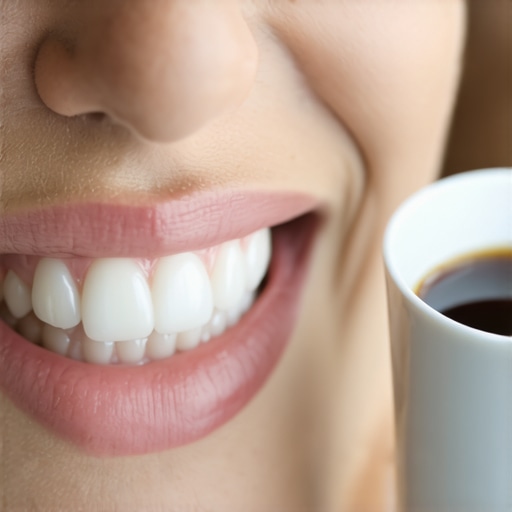
It was a typical Saturday morning when I first noticed something unusual—my teeth felt a little different when I sipped my morning coffee. At first, I thought I was imagining things until I saw a faint stain that seemed to seep into my teeth, like coffee was somehow invading from the inside out. That lightbulb moment made me realize I needed to understand what was really happening inside my mouth. Turns out, my teeth might be porous, and I had no idea how common or sneaky this problem can be.
Why Porous Teeth Aren’t Just a Cosmetic Concern
If you’ve ever experienced tooth sensitivity or noticed discoloration that doesn’t seem to go away, you’re not alone. These signs can indicate that your teeth are porous—meaning tiny microscopic holes or channels in the enamel allow substances like stains, bacteria, or even fluoride to pass through more easily. This isn’t merely about aesthetics; it can seriously impact your oral health by increasing the risk of cavities, staining, and even more complex dental issues.
My mistake early on was dismissing mild sensitivity as just part of aging or a minor irritation. I wish I had taken it more seriously when I first noticed that my teeth were reacting more intensely to hot or cold drinks. Ignoring these warning signs can lead to more extensive damage and costly treatments down the road. That’s why understanding how to detect porosity early can save you time, money, and discomfort.
According to a study published by the American Dental Association, the porosity of dental enamel can dramatically increase due to factors like acidic diets, poor oral hygiene, or certain medical conditions, making the enamel more susceptible to staining and decay—sometimes even before visible signs appear. Knowing this motivates me to stay vigilant about my oral health and not brush off minor discomforts.
In the next sections, I’ll share how you can perform simple tests at home to gauge whether your teeth might be porous and what steps to take if you discover a problem. But first, let’s address a common skepticism many people have—”Is this even something I should worry about?” Stay tuned, because recognizing the signs early can truly make all the difference. Have you ever felt that your teeth aren’t as strong or bright as they used to be? If so, keep reading; you’re not alone, and there’s hope.
Performing a Tooth Porosity Test at Home
Next time you experience sensitivity or staining, try a simple test: gently tap your teeth with a tongue depressor or the handle of your toothbrush—if you notice a hollow or chalky sensation, your enamel might be porous. During a personal experience, I used a clean dental mirror to gently flick the surface of my front teeth, and I detected a subtle hollow sound that prompted me to consult my dentist. This straightforward method helped me identify early signs without expensive equipment.
Analyzing Your Dietary and Oral Hygiene Habits
Evaluate your daily routines. Acidic foods and beverages like citrus, soda, or wine can erode enamel, increasing porosity. I tracked my consumption and realized frequent coffee sips contributed to the issue. Additionally, improper brushing techniques—such as scrubbing too hard or using abrasive toothpaste—can wear down enamel. A gentle, circular brushing motion with a soft-bristled brush is essential. Regularly replacing your toothbrush and using fluoride toothpaste can fortify your enamel, reducing porosity risk. For more detailed tips, visit this guide.
Consulting Your Dentist for Professional Evaluation
While home assessments are helpful, seeing a professional is crucial. During my initial dental appointment, my dentist examined my teeth under a microscope and confirmed enamel porosity through transillumination. They used a dental explorer to feel for soft spots and took photographs for comparison. Remember, only an expert can accurately determine the extent of porosity and recommend appropriate treatments. If indicated, they might suggest applying fluoride varnishes or sealants to strengthen the enamel.
Exploring Restorative Solutions Like Crowns or Veneers
If porosity has led to visible stains, decay, or weakened structure, restorations might be necessary. Crowns cover the entire tooth when decay or damage is extensive, providing a durable barrier. During my experience, a custom crown was fitted after decay removal, restoring both function and appearance. Alternatively, veneers are thin shells bonded to the front, ideal for aesthetic concerns. They require minimal tooth reduction and can mask discoloration caused by porosity. To determine which option fits best, consult your dentist about the benefits and longevity of each treatment at this resource.
Utilizing Preventive Measures to Halt Progression
Preventing further porosity involves managing diet, oral hygiene, and regularly visiting your dentist. I started incorporating neutralizing mouth rinses and avoided acidic snacks, which slowed deterioration. Fluoride treatments strengthen enamel and are highly recommended—my dentist applied a fluoride gel that significantly reduced sensitivity. Additionally, consider laser sealing or applying remineralization agents, which can fill microscopic channels. Consistent check-ups ensure early detection of changes. For ongoing guidance, review top tips here.
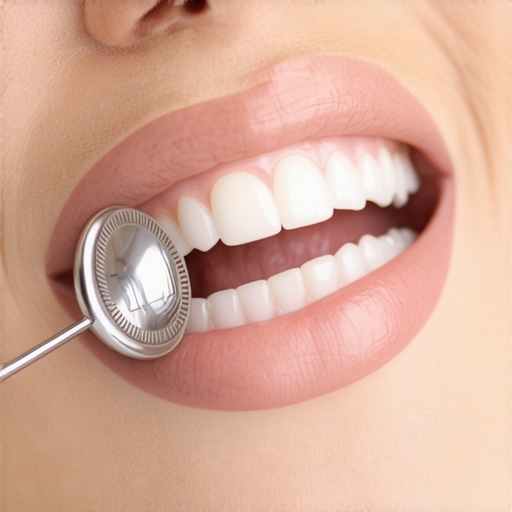 Many assume that choosing dental care is a straightforward decision, but in reality, there are nuanced misconceptions that can hinder optimal oral health. For instance, a common myth is that all dental crowns are created equal—or that they need frequent replacement. In truth, the quality of crowns depends heavily on material choice and the expertise of the dentist. Sophisticated options like porcelain-fused-to-metal crowns offer durability and a natural look, but many patients underestimate their importance, leading to premature failure or aesthetic issues. As highlighted in studies by the American Association of Dental Boards, selecting the right type of crown can significantly impact long-term success, emphasizing the need for professional guidance beyond generic advice.Maintaining your dental appliances and restorations isn’t just about regular brushing; it involves using precise tools and techniques that extend their lifespan and ensure optimal oral health. I personally rely on specialized cleaning devices like ultrasonic dental cleaners, which utilize high-frequency vibrations to disrupt plaque and bacteria more effectively than manual brushing alone. These devices, such as the UltrasoniX Ultrasonic Cleaner, are a game-changer for patients with crowns, veneers, or Invisalign aligners because they eliminate residual debris that can cause staining or decay. Regularly using an ultrasonic cleaner helps prevent staining and extends the lifespan of your restorations, saving you money and trips to the dentist.
When it comes to aligners, like Invisalign, I recommend a combination of gentle brushing with a soft-bristled toothbrush specifically designed for orthodontic devices, coupled with a cleaning solution like Invisalign Cleaning Crystals. This approach ensures the aligners stay clear and odor-free. Personally, I prefer these crystals over regular toothpaste because they don’t produce micro-abrasions that can cause scratches, which harbor bacteria. This simple yet effective routine takes just a few minutes daily and maintains the clarity and hygiene of your aligners.
Another essential tool is a dental water flosser, such as the Waterpik Water Flosser. I’ve found it particularly effective in cleaning around crowns, bridges, and orthodontic appliances where traditional flossing can be cumbersome. The pulsating water removes food particles and plaque from hard-to-reach areas, reducing the risk of decay and gum disease around restorations. Using a water flosser daily can significantly improve long-term outcomes of your dental work.
For long-term results, investing in high-quality brushes like the Philips Sonicare DiamondClean offers super-sonic cleaning action that reaches deeper into periodontal pockets and micro-cracks in restorations. The gentle sonic vibrations help dislodge plaque and prevent the buildup on crowns and veneers. Over time, consistent use can help maintain gum health and save you from more invasive procedures.
Looking ahead, the trend in family dentistry is moving toward smart dental devices that sync with smartphone apps to monitor cleaning habits and provide real-time feedback. These innovations promise to personalize oral care further and ensure maintenance routines are followed diligently.
### How do I keep my restorations and aligners working long-term?
The key is consistency and investing in the right tools. Regularly cleaning with ultrasonic devices, using specialized brushes and cleaning crystals for aligners, and employing water flossers help prevent stains, decay, and bonding failures. Remember, even the most advanced restorations will falter without proper maintenance. As suggested by the American Dental Association, adopting a proactive approach now can save you significant costs down the line. Try integrating an ultrasonic cleaner into your routine this month—you might be surprised at how much easier it makes upkeep and how much longer your restorations stay pristine.One of the most eye-opening moments in my dental journey was realizing that small habits can drastically impact my oral health, especially when dealing with issues like porous teeth and the risks they carry. Early on, I underestimated the importance of tailored oral hygiene routines and the value of professional insights, which taught me that proactive care is always better than reactive fixes. From understanding the subtle signs of enamel porosity to embracing advanced tools like ultrasonic cleaners, every lesson reinforced that our daily choices shape our smile’s future. By integrating expert advice with personal vigilance, I learned that achieving a healthier, brighter smile isn’t just a goal—it’s a continuous journey of education and mindful habits. If you’re serious about your oral health, remember that embracing modern techniques and personalized strategies can make all the difference in your dental care story.