
The connection between morning coffee and stained dental crowns
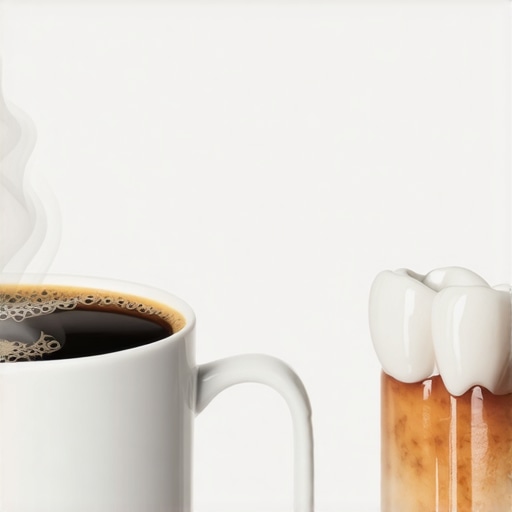
It was a typical Monday morning, and I reached for my beloved coffee mug, only to notice something unsettling—a dull, brownish tint on my dental crown that wasn’t there the day before. My heart sank. I had always been careful with my oral hygiene, but that stubborn stain made me realize how easily my favorite routine can jeopardize my smile. If you’ve ever experienced a similar moment—one where your coffee habit clashes with your dental restorations—you know how frustrating it can be. Today, we’re going to dive into an issue that many overlook: how morning coffee can stain your dental crowns and what you can do about it.
Brighten Your Day and Your Smile: Tackling Coffee Stains on Crowns
Could Your Coffee Routine Be Sabotaging Your Smile?
As a family dentist, I’ve seen countless patients who share the same concern—why their once gleaming crowns have lost their luster after just a few months of enjoying their favorite brew. Many don’t realize that while crowns are durable, they are not immune to staining from coffee, tea, or red wine. Early in my career, I made the mistake of advising patients to simply cut back without offering practical solutions, which hardly worked long-term. The truth is, coffee is a beloved part of many mornings, and total avoidance isn’t realistic—or fun. The key is learning how to protect your investment in your smile without giving up your daily coffee fix. Did you know that some types of crowns, especially porcelain ones, can stain just like natural teeth? According to research by the American Academy of Cosmetic Dentistry, dark-colored beverages are among the leading causes of discoloration on restorative dental work. So, if you’re tired of your coffee robbing you of that radiant smile, stay tuned—because the next steps could change your morning routine for the better.
Choose the Right Crown Material for Stain Resistance
When considering dental restorations, opt for crowns made of materials like zirconia or porcelain fused to metal, which have higher resistance to staining compared to composite options. During your consultation, discuss with your dentist which material best suits your lifestyle and staining concerns. I remember a patient who initially chose a composite crown, only to regret it after coffee stains became evident within months. Switching to porcelain significantly improved her smile’s appearance and reduced staining issues.
Adjust Your Coffee Drinking Habits
To minimize stain formation, consider limiting the duration your teeth are exposed to coffee. Use a straw to direct the beverage playfully behind your teeth, reducing contact with the crowns. Also, avoid sipping coffee over extended periods—drinking quickly and finishing your cup reduces prolonged exposure. I personally adopted this method after noticing my crown staining after a long morning of coffee sipping; the difference was immediately noticeable. Incorporate this simple habit to prolong the bright look of your restorations.
Improve Oral Hygiene Practices Immediately After Coffee
Rinse your mouth with water after drinking coffee to wash away tannins—the compounds responsible for stains. Wait at least 30 minutes before brushing, as coffee temporarily softens enamel and aggressive brushing may damage your crown or natural teeth. During a recent appointment, I showed a patient how rinsing immediately after coffee prevented stain buildup, and alternating with fluoride mouthwash cemented her new routine. Regular flossing and brushing with whitening toothpaste can also help maintain your crown’s brightness.
Consistency Is Key for Long-Term Results
Implementing these steps consistently prevents coffee stains from accumulating. Make it a morning ritual to rinse and use a straw, and choose stain-resistant crowns at your next visit. A colleague of mine, who prioritized these practices, managed to keep her crowns pristine for over five years. Remember, periodic professional cleanings are essential—they remove surface stains that home care might miss. Discuss with your dentist about specialized cleaning treatments that can help restore your crown’s original shine, especially if staining has already occurred.
Stay Informed on Crown Maintenance and Restorative Options
For detailed information on the types of crowns and their advantages, visit this guide comparing crowns and veneers. Knowing your options allows you to make informed decisions that align with your aesthetic goals and daily habits. When in doubt, consult your family dentist for personalized advice tailored to your specific needs and lifestyle.
 Despite widespread perceptions, many patients overestimate the longevity of dental crowns and underestimate the complexities involved in choosing the right orthodontic solutions like Invisalign. While it’s common to believe that crowns are impervious to damage or stain, this isn’t entirely true—especially if you select a lower-quality material or neglect proper maintenance. Advanced practitioners know that crowns made of zirconia or porcelain fused to metal offer better esthetic results and stain resistance, but even these require attentive care to preserve their appearance over time. Similarly, misconceptions about Invisalign often revolve around its effectiveness for all cases, but sophisticated cases may require auxiliary treatments or alternative solutions, which many patients aren’t fully informed about. An overlooked factor is the importance of compliance; wearing aligners as prescribed significantly influences outcome quality. Failing to adhere can prolong treatment or necessitate additional procedures, increasing cost and discomfort. According to a 2022 study in the Journal of Orthodontics, patient compliance is the most critical factor influencing Invisalign success—yet, many underestimate this aspect. This is a crucial nuance learned through years of family dentistry practice. Additionally, some believe regular brushing suffices for maintaining oral health around crowns and braces, but neglecting specialized cleaning techniques can foster plaque buildup, leading to gum issues or decay beneath restorations. Integrating interdental brushes or water flossers can make a tangible difference—these tools are often overlooked but are essential in comprehensive oral hygiene routines. Lastly, the myth that all dental treatments should be completed quickly leads some to rush decisions or skip necessary steps, potentially jeopardizing long-term results. Taking the time to understand the intricacies of each procedure and maintaining consistent follow-up care are what distinguish a good outcome from a mediocre one. Want to explore how selecting the right crown material or understanding Invisalign’s limitations can elevate your oral health game? Check out the detailed comparisons and expert insights provided in our cornerstone guide on [crowns and veneers](https://familydentistpro.com/crowns-vs-veneers-which-is-better-for-your-smile-cure-at-429-pm). Don’t fall into common traps—your smile deserves expert care. Have you ever fallen into this trap? Let me know in the comments.Maintaining your dental restorations and overall oral health requires more than just good brushing and flossing; it involves leveraging the right tools and methods to ensure long-term success. As a family dentist, I prioritize equipment and routines that maximize effectiveness and durability, especially when it comes to crowns, Invisalign, and other restorative treatments. One tool I highly recommend is the ultrasonic scaler. Unlike traditional manual scalers, ultrasonic devices use high-frequency vibrations to break down plaque and tartar more efficiently, reaching areas that are hard to clean with standard brushes. This technology significantly reduces the risk of gum disease around crowns and implants, saving patients from costly complications down the line.
For daily maintenance, a water flosser, such as the Waterpik Ultra, has become an indispensable part of my recommendations. It delivers a gentle yet powerful stream of water that cleans interproximal spaces and around orthodontic attachments or crowns. I personally use it because it’s gentle on gums but effective enough to remove food debris and plaque, which traditional floss might miss. Regular use of this device not only preserves oral health but also extends the aesthetic life of restorations.
How do I maintain my restorations and oral health over time?
Staying ahead involves adopting advanced cleaning techniques and periodic professional care. Routine check-ups with your dentist allow for the early detection of issues like plaque buildup or minor damage before they escalate. During these visits, I often employ an air polishing device, which uses a focused jet of compressed air, water, and microfine abrasives to remove stubborn stains and plaque from crowns and veneers. It’s far more efficient than traditional polishing methods, especially in maintaining the smooth, glossy surfaces of restorations.
Looking toward the future, technological innovations continue to improve how we care for dental restorations. For example, laser cleaning techniques are emerging as a minimal-invasive way to eliminate plaque and biofilm without damaging the delicate surfaces of crowns or implants. According to an article in the Journal of Oral Laser Applications, laser-assisted decontamination shows promising results in preserving the integrity of restorations while ensuring optimal hygiene.
To really keep your dental work in peak condition, I suggest incorporating an ultrasonic scaler into your routine at least quarterly and visiting your dentist for professional cleanings. These steps help prevent staining, decay, and structural damage, ultimately saving you time and money. Why not experiment with a water flosser if you haven’t already? Many patients find it transforms their daily oral hygiene routine, making it faster and more effective. Remember, a well-maintained restoration is an investment in your confidence and your health—so give it the care it deserves! Want to optimize your cleaning routine further? Try integrating laser decontamination techniques during your dental visits for superior results. For more insights on maintaining crowns and long-term oral health, visit [this comprehensive guide](https://familydentistpro.com/how-invisalign-transforms-family-dentistry-in-2025) and consider discussing these tools with your dental provider. Stay proactive, and your smile will thank you for years to come.
Lessons That Changed How I Approach Smile Care
- One of the most profound moments in my career came when I realized that patient education isn’t just about facts—it’s about empowering patients to see their oral health as a lifelong journey, not a quick fix. Understanding the nuances of crown materials and Invisalign compliance has taught me patience and tailored advice really make a difference.
- I’ve learned that no two smiles are the same. What works for one patient in stain resistance or alignment might not suit another. This insight pushes me to stay current with emerging technologies like laser cleaning and advanced materials, ensuring personalized care remains at the forefront.
- Perhaps most unexpectedly, I discovered that even small habits—like rinsing after coffee and using interdental brushes—can profoundly impact long-term outcomes. These simple steps, when adopted consistently, can save patients from costly repairs and preserve their confidence.
Tools That Keep Smiles Bright and Healthy
- My go-to resource is the comprehensive guide on crowns and veneers comparison. It offers insights rooted in both research and real-world experience, helping patients make informed choices about restorations.
- For ongoing care, I trust ultrasonic scalers and water flossers like the Waterpik Ultra, which revolutionize home hygiene by reaching areas traditional floss can miss. These tools have proven essential in maintaining the integrity of crowns and preventing staining, complementing professional cleanings seamlessly.
- Seeking continuous education, I recommend reading latest Invisalign insights. Staying informed about innovations ensures I provide my patients with effective, modern solutions that suit their lifestyle and aesthetic goals.
Nurture Your Smile, Keep Your Confidence Alive
Your journey toward a healthier, brighter smile is uniquely yours, and every small effort counts. Embrace expert advice, leverage the right tools, and remember that consistency transforms good habits into lifelong benefits. Don’t wait for problems to surface—take proactive steps to maintain your crowns and Invisalign results. If you’ve ever wondered how to tailor your routine or stay ahead of stains and misalignments, now’s the perfect time to start. Your smile deserves that extra care—today and always.