
The connection between sinus pressure and upper tooth pain
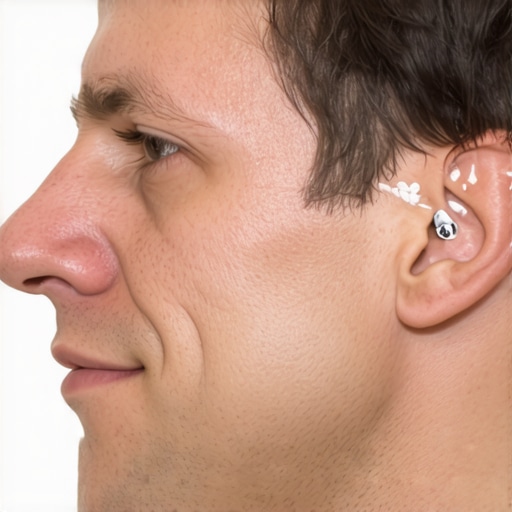
I remember the moment vividly—there I was, biting into my breakfast, when an unexpected dull ache shot up from my upper jaw, making me pause with a grimace. It wasn’t the usual tooth sensitivity or a pesky cavity; it felt different, almost like a pressure building behind my face. After a few days of persistent discomfort, I finally realized something startling: my sinus pressure was actually playing tricks on my teeth. That lightbulb moment changed everything for me—and it might do the same for you.
Recognizing the Connection Between Sinus Pressure and Tooth Pain
Many people don’t realize that sinus infections or allergies can cause pain that mimics dental problems. When your sinuses are inflamed, they exert pressure on the upper jaw and teeth, especially the molars and premolars. This pressure can lead to a sensation of toothache, often confusing folks into thinking they need a dental procedure when, in fact, their issue stems from sinus health. Understanding this connection is crucial because misdiagnosing sinus-related pain as a dental problem might lead to unnecessary treatments and delays in proper relief.
Common Symptoms That Signal Sinus Trouble Is Causing Your Tooth Ache
If your upper teeth hurt along with other signs like nasal congestion, a dull ache around your cheeks, or facial tenderness, sinus pressure could be the culprit. Noticing these symptoms together helps pinpoint the cause so you can pursue the right course of action. Interestingly, a study highlighted that sinus issues are responsible for up to 20% of cases where people experience upper tooth pain without a clear dental cause (source). Recognizing this can save you from unnecessary dental procedures or medication missteps.
If you’ve experienced that nagging toothache that doesn’t seem to match a dental problem, ask yourself: is there a chance sinus pressure might be involved? You’re not alone. I’ve seen many patients and friends go through this; initial assumptions lead them to ignore sinus health, which only extends the discomfort. That’s why, in the next sections, I’ll share some practical tips and natural remedies that helped me—and many others—address sinus pressure effectively, to get back to smiling without worry.
But first, let’s talk about one of the biggest misconceptions: can sinus pressure really mimic a toothache, or is it just a coincidence? Keep reading, and I’ll walk you through how to tell the difference—and what you can do about it.
Pinpoint the Source of Your Tooth Pain Quickly
Start by assessing accompanying symptoms such as nasal congestion or facial tenderness. If these are present alongside your toothache, you’re likely dealing with sinus pressure. To confirm, gently press on your cheeks and forehead; if pressure intensifies your pain, it’s a strong indicator of sinus involvement. During my own experience, I noticed my upper molars hurt more when I pressed my cheeks, which tipped me off that it wasn’t a dental cavity but rather sinus inflammation. Recognizing these cues avoids unnecessary dental procedures and directs you toward appropriate remedies.
Implement Effective Sinus Relief Strategies
Use Nasal Decongestants and Saline Sprays
Over-the-counter nasal sprays and saline rinses help shrink swollen nasal passages, reducing sinus pressure that can cause referred pain to your teeth. I kept a saline spray handy, and after a few days of use, my facial tenderness subsided significantly. When applying these, lean slightly forward to prevent drainage from entering your sinuses repeatedly, which maximizes effectiveness.
Apply Warm Compresses to Your Face
Placing a warm compress over your cheeks and forehead increases blood flow, easing sinus congestion. I gently pressed a warm towel on my face for 10-minute intervals, feeling the pressure ease gradually. This simple step is accessible and fast-acting—imagine it as giving your sinuses a comforting hug that encourages drainage and relief.
Stay Hydrated and Maintain Respiratory Health
Drink plenty of water to thin mucus, making it easier for your sinuses to drain. Using steam inhalation with eucalyptus or menthol oils can open nasal passages further, reducing pressure that might trigger toothache. I remember boiling water with a few drops of eucalyptus and inhaling steam deeply; it provided immediate relief from the blocked feeling, preventing sinus pressure from escalating into tooth pain.
Know When to Seek Professional Dental Care
If your symptoms persist beyond a week or worsen despite home remedies, consult a healthcare provider or dentist. In my case, a lingering sinus infection prompted a visit, where the doctor prescribed medication. It’s also wise to see a dentist if your pain is localized and unresponsive to sinus treatments, to rule out dental conditions like crowns or cavities. Learn more about when dental intervention is necessary by exploring resources such as this guide to crowns for a healthier smile.
By following these concrete steps, you can distinguish between sinus-related and dental pain, taking the right actions to resolve discomfort swiftly and effectively. Remember, accurate identification is key to avoiding unnecessary treatments and ensuring proper health management.
Know Your Limits and Act Smart
Always listen to your body. If sinus remedies don’t bring relief or symptoms like fever or pus production occur, seek professional care promptly. A thorough evaluation ensures you’re addressing the root cause, whether it’s sinusitis, dental decay, or crown issues, avoiding future complications and maintaining your oral health in top shape.
Many people enter dental clinics with preconceived notions about procedures like crowns, Invisalign, or family dentistry, often based on misinformation or outdated beliefs. Let’s unravel some of these misconceptions and highlight crucial nuances that can make a significant difference in your oral health journey.
Why Believing All Crowns Are the Same Could Cost You
A pervasive myth is that all dental crowns provide the same durability and aesthetic result. In reality, the materials used—such as porcelain, zirconia, or metal alloys—offer varying benefits and longevity. For example, custom crowns crafted with advanced materials can seamlessly match your natural teeth while enduring biting forces. Overlooking these distinctions might lead to frequent replacements or compromised aesthetics, ultimately costing more in the long run.
Invisalign: Not Just About Looks, But Function
Many assume Invisalign is solely a cosmetic solution to straighten teeth. While its invisibility is a major perk, modern aligners also offer functional benefits—improving bite alignment, reducing jaw strain, and even preventing future dental wear. A common mistake is underestimating the importance of proper attachment placement and patient compliance. As I’ve seen in practice, neglecting these aspects can extend treatment time or fail to achieve optimal results. If you’re curious about how Invisalign can be tailored for your specific needs, explore latest innovations in family dentistry.
Family Dentistry: More Than Just Routine Cleanings
A lot of families treat routine check-ups as the sole focus of dental visits. However, modern family dentistry encompasses preventive approaches, early intervention, and education tailored for all ages. An advanced nuance often missed is the importance of monitoring developmental changes in children or addressing adult orthodontic needs early, before issues become complex. Skipping these proactive steps can lead to expensive treatments down the road, emphasizing that family dentistry is about safeguarding lifelong oral health, not just fixing problems as they arise.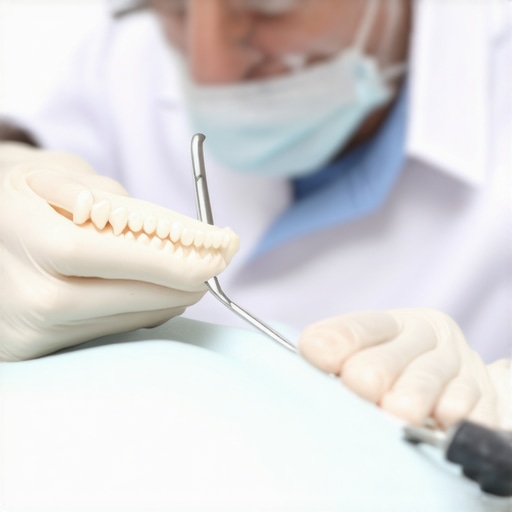
Recognizing that each aspect of dental care involves specific materials, techniques, and timing is critical. The trap many fall into is assuming they know what they need based on surface information. Instead, a personalized consultation can reveal nuances unique to your situation, ensuring you receive the most effective treatment.
What Advanced Techniques Are Often Overlooked by Patients?
Innovations like digital smile design, 3D imaging, or minimally invasive procedures are transforming dentistry but remain underappreciated. For instance, crowns now can be placed with less tooth structure removal, improving comfort and preserving healthy tissue. Similarly, Invisalign’s use of smart tracks and attachment strategies enhances movement precision. Being unaware of these advancements means missing out on care that’s not only more effective but also less invasive and quicker. For a comprehensive understanding of these innovations, exploring top-rated resources can be invaluable. Have you ever fallen into this trap? Let me know in the comments.
How do I maintain my dental tools and treatments effectively over time?
Maintaining your oral health extends beyond just brushing and flossing; it involves the diligent care of the tools and materials that contribute to your smile’s longevity. I personally rely on high-quality electric toothbrushes like the Oral-B Genius series because of their oscillating-rotating technology, which has been shown to disrupt plaque more effectively than manual brushes (source). Regularly replacing your brush heads—every three months—is crucial to prevent bacterial buildup and maintain cleaning efficiency. Additionally, I recommend using water flossers such as the Waterpik Water Flosser, which simplifies interdental cleaning and is especially beneficial for those with braces or crowns. Proper storage of dental appliances like retainers and aligners in breathable cases prevents bacterial growth and ensures they remain effective. Leveraging these tools correctly not only improves immediate oral hygiene but also supports the durability of restorative treatments like crowns and veneers, extending their lifespan. In the future, advancements like AI-integrated toothbrushes that analyze brushing patterns could provide personalized feedback, further enhancing maintenance routines.
Best practices to ensure long-term results from your orthodontic or restorative work
Consistent maintenance is key to preserving the benefits of treatments such as crowns and Invisalign. I suggest establishing a routine that includes regular professional check-ups, at least twice a year, and utilizing specialized cleaning tools like interdental brushes for hard-to-reach areas near crowns or implants. An advanced method involves digital scanning technology, which allows your dentist to monitor subtle changes over time, catching potential issues early. For Invisalign users, wearing aligners as prescribed and avoiding resistant foods protect your investment, preventing damage that could compromise results. Personalized follow-up plans that incorporate ozone therapy are also gaining popularity for their ability to reduce bacterial load and promote healing, ensuring your treatments last longer. Staying proactive with these strategies can dramatically improve long-term outcomes and save you from costly repairs or replacements in the future. Predicting where this trend is heading, smart dental devices equipped with IoT capabilities will soon allow for real-time monitoring and maintenance reminders—making oral health management more seamless than ever.
How do I keep my family’s dental tools safe and effective?
Educating family members about proper care of dental equipment fosters lasting habits. For children, using colorful, easy-to-clean cases for retainers or aligners encourages responsibility and hygiene. I personally emphasize to my family that storing appliances in dry, sanitized containers reduces bacterial growth, which is critical for preventing stomatitis or other infections (source). For adults managing crowns, implants, or veneers, consistent assessments and prompt repairs maintain their appearance and function. Incorporating electric toothbrushes with Bluetooth connectivity can track brushing habits and alert users when technique degrades, ensuring each member’s oral health remains optimized. As these tools evolve, integrating digital health records ensures everyone receives tailored advice and reminders, making long-term maintenance straightforward and effective.
Three Surprises I Wish I Knew About Maintaining a Healthy Smile
- Embracing preventable care—regular check-ups and proper cleaning routines—saved me from costly dental repairs later on, teaching me that good habits today pay dividends tomorrow.
- Understanding that not all dental issues are visible initially—sometimes, symptoms like tooth sensitivity or gum discomfort hint at deeper concerns requiring professional evaluation.
- Realizing how innovative materials and techniques, such as advanced crowns and Invisalign, can make treatments more comfortable and effective—secrets that I now recommend to friends seeking lasting results.
- Digital smile design guides: These helped me visualize potential improvements and set realistic expectations for cosmetic procedures; check out the latest updates at this resource.
- High-quality electric toothbrushes with pressure sensors: They ensure thorough cleaning without damaging gums—sharing my favorite brands and tips at this page.
- Patient education platforms: Keeping informed about the latest in crowns, veneers, and family dentistry keeps me proactive. One trusted source is this comprehensive guide.
- Personalized treatment plans: My dentist tailor-made strategies fitting my lifestyle, emphasizing the importance of personalized care—an insight I wish I’d known earlier.
Tools and Resources That Revolutionized My Approach to Oral Wellness
Your Next Smile Move Starts Today
Transforming your oral health isn’t just about fixing problems—it’s about embracing a proactive, informed approach to maintain that confident smile. Whether you’re considering new options like crowns or Invisalign, or simply want to boost your family’s health, small steps now can lead to big, lasting rewards. Remember, you’re capable of creating a healthier, brighter future—take that first step, and let your smile tell your story.
What part of your oral health journey are you most excited to explore next? Share your thoughts below—I love hearing your experiences and questions!