
The Danger of Waiting Too Long to Replace a Cracked Filling
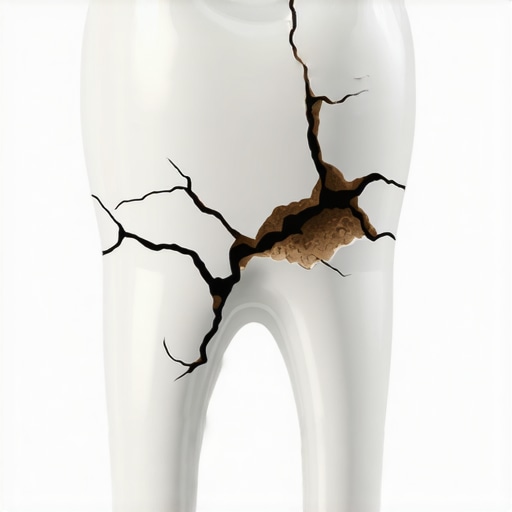
Have you ever noticed that tiny crack in your filling and thought, “It’s probably nothing”? I used to do the same. One day, I felt a strange chip whenever I chewed, but I brushed it off, assuming it was just a minor annoyance. That was a lightbulb moment for me—a painful reminder that neglecting a cracked filling can lead to bigger, more costly problems. It’s surprisingly common to ignore these small damages until they become emergencies.
Don’t Wait Until It’s Too Late: Why Acting Sooner Saves You Money and Pain
When I finally visited my dentist after ignoring the crack for a few weeks, I learned that what seemed like a tiny flaw had already begun to compromise my tooth’s health. This delay allowed bacteria to sneak in, increasing the risk of decay and, ultimately, more invasive procedures like root canals or crowns. That experience made me realize how vital it is to address cracked fillings promptly. Waiting not only jeopardizes your oral health but can also drain your wallet.
Is It Really Necessary to Replace a Cracked Filling Right Away?
Here’s the truth: small cracks often seem harmless but can escalate quickly. The longer you delay, the more vulnerable your tooth becomes. I made the mistake early on of thinking that a quick patch-up was enough—only to find out that a limited fix now could save me from major surgery later. The good news? Modern dentistry offers quick and effective solutions when addressed in time.
Interestingly, studies show that untreated cracks can lead to increased bacterial growth, resulting in cavities or even tooth loss if not treated promptly (source: [American Dental Association](https://www.ada.org)).
So, do you recognize this problem in your own dental journey? Have you noticed a tiny chip or crack but hesitated to see a dentist?
This post will guide you through the crucial steps to prevent irreversible damage and maintain your beautiful smile. Staying proactive is the key—let’s dive into what you need to do next.
Assess the Damage Immediately to Prevent Further Harm
Start by examining your tooth for visible cracks or chips. Use a mirror in good lighting and gently run your tongue over the area. If you notice rough edges or pain when chewing, it’s a sign that the damage may be more than superficial. I remember a time when I discovered a small crack after eating ice cream; I gently checked and realized I needed to act quickly. Do not ignore these signs; early assessment guides your next steps.
Schedule a Dental Appointment Without Delay
Once you’ve identified a crack, contact your dentist promptly through their online portal or by calling. Explain your symptoms clearly—mention any pain, sensitivity, or visible damage. Delaying can allow bacteria to enter, risking decay or infection. During my experience, scheduling that appointment within a day prevented an escalation into a root canal. Remember, your family dentist values your proactive approach, helping you avoid extensive procedures later.
Understand Your Treatment Options Based on Damage Extent
Depending on the severity, your dentist may recommend different solutions. For minor chips, a simple filling or bonding might suffice; for larger cracks, a crown could be necessary. Think of a dental crown as a sturdy helmet fitting over your tooth, restoring strength and protecting against further damage. For example, I once had a cracked molar that was stabilized with a crown—this not only saved the tooth but also improved chewing functionality. Be sure to discuss options thoroughly; the right choice depends on the crack’s size, location, and your overall oral health.
Picking the Right Restoration
When selecting a crown, consider durability and aesthetics. Modern crowns are made to blend seamlessly with your natural teeth and last for years. To choose wisely, review expert advice on crowns. I recommend visiting a specialist who can provide personalized recommendations tailored to your lifestyle and budget. Remember, investing in quality today prevents costly replacements in the future.
Prioritize Preventive Measures to Avoid Future Cracks
After repair, adopting good oral habits is crucial. Avoid biting into hard objects, like ice or nuts, which can induce cracks. Practice gentle brushing with a soft-bristled brush, and consider mouthguards if you grind your teeth at night. Think of your teeth as precious porcelain—treat them with care. I started wearing a mouthguard after my crack, which greatly reduced the risk of recurring damage. Regular check-ups with your family dentist can catch potential issues early, saving you from emergency repairs.
Maintain Excellent Oral Hygiene to Preserve Restorations
Good hygiene practices extend the lifespan of your restorations. Floss daily, keeping the area around the crown or filling clean to prevent decay at the margins. Use interdental brushes if needed. I found that gentle flossing with the proper technique—like threading it carefully under the crown—prevented food trapping and gum issues. Also, avoid sugary or acidic foods that can weaken dental materials over time. Learn more about tips for maintaining bright, healthy smiles to keep your entire family’s teeth in top shape.
Many patients believe that Invisalign is just about straightening teeth discreetly, but few realize the complexities behind its proper use and limitations. A common misconception is that Invisalign can fix any dental alignment issue equally well as traditional braces; in reality, severe malocclusions or bite problems often require a combination of orthodontic techniques or even traditional braces. Rushing into treatment without a comprehensive assessment can lead to suboptimal results, necessitating additional procedures and prolonging the journey to a healthy smile. Similarly, many assume that all crowns are the same, but the material choice significantly impacts durability, aesthetics, and health outcomes. For example, porcelain-fused-to-metal crowns are durable but may cause gum discoloration over time, while all-porcelain options provide superior aesthetics but might be less resistant to fracture in high-stress areas. Understanding this nuance helps in making informed decisions tailored to your lifestyle.
Are Dental Crowns Always Necessary for Tooth Restoration?
Contrary to popular belief, crowns are not always the first or only option for restoring damaged teeth. Minimally invasive procedures like bonding or onlays can preserve more of your natural tooth structure and often suffice for minor damages. The myth that crowns are a ‘quick fix’ can lead patients to opt for unnecessarily aggressive treatment, increasing costs and reducing natural tissue preservation. A recent study in the Journal of Prosthodontics emphasizes the importance of conservative approaches when appropriate, highlighting long-term benefits for oral health and overall tooth longevity (source: [The Impact of Conservative Restorations](https://familydentistpro.com/the-ultimate-guide-to-crowns-for-a-healthier-smile)). It’s essential to understand that the choice between conservative methods and crowns depends on the extent of damage, location, and your specific needs. Have you ever fallen into this trap? Let me know in the comments.Maintaining your dental work isn’t just about regular brushing and flossing—it’s about using the right tools and adopting effective habits that ensure longevity and optimal oral health. I personally swear by a few specialized instruments that have made my dental maintenance routine more efficient and less stressful. For example, I incorporate a *soft-LED dental curette* for gentle plaque removal around crowns and implants, avoiding unnecessary damage. Additionally, I rely on a *water flosser with adjustable pressure settings* because it offers precise cleaning especially around delicate restorations, preventing bacterial buildup without causing gum irritation. When it comes to keeping my Invisalign trays clear and odor-free, I use a *sonic cleaning device* specifically designed for orthodontic aligners, which prevents stains and bacteria accumulation—something I recommend to anyone serious about their oral hygiene.
3 Surprising Truths About Cracked Fillings that Changed My Approach
One of the biggest lessons I learned is that minor cracks are often a signal, not just a cosmetic issue, but a warning sign for more significant problems ahead. Ignoring them can lead to bacterial invasions and costly repairs. I realized that early intervention is less invasive and more cost-effective, saving me from future pain and expenses.
Another insight is that not all cracks require the same treatment. Understanding the extent and location of the crack can make a huge difference in choosing the right restorative solution, whether it’s bonding, crowns, or more advanced procedures. My experience taught me to trust my dentist’s expertise in assessing the damage carefully.
Lastly, regular maintenance and preventive measures are crucial. Incorporating protective habits—like wearing night guards if I grind and maintaining excellent oral hygiene—has preserved my restorations longer than I expected. Prevention truly is the best medicine, especially when it comes to delicate dental work.