
The easiest way to floss around Invisalign attachments
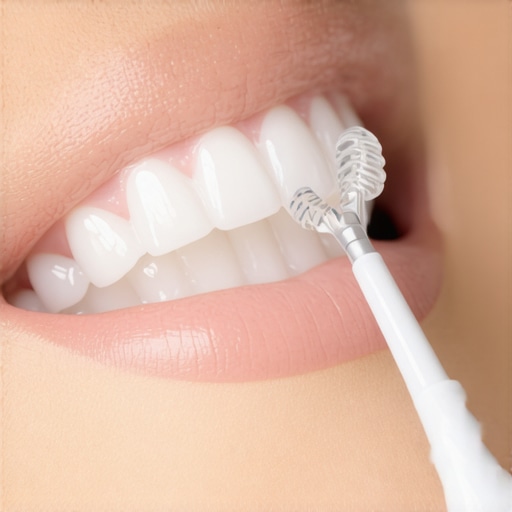
Ever found yourself in the bathroom, staring at your reflection, desperately trying to wiggle that stubborn floss around your Invisalign attachments? I know exactly how that feels—it’s like a tiny battle every evening. Early on in my Invisalign journey, I struggled with this so much that it sometimes felt easier to skip flossing altogether, which I knew wasn’t good for my oral health. That lightbulb moment came when I realized that flossing around attachments didn’t have to be a chore—it could be simple, quick, and effective once I found the right technique.
The Struggle is Real: Why Flossing Around Attachments Can Feel Like a Nightmare
Invisalign attachments are small composite bumps glued to your teeth to help the aligners grip and work their magic. The problem? They make traditional flossing a bit more complicated. Instead of sliding the floss smoothly between teeth, you often have to navigate around these tiny obstacles, and it can feel awkward or even frustrating, especially if you’re pressed for time or just plain tired after a long day.
When I first started, I would often give up halfway through, thinking, “Is this even worth it?” Honestly, I was worried I wasn’t cleaning enough. Studies show that skipped or improper flossing can lead to plaque buildup and gingivitis over time—something I definitely wanted to avoid, especially with my busy family schedule. The good news is, with a few simple tweaks, you can make this process so much easier.
What’s the Big Deal Anyway?
If you’re like me, you might ask, “Do I really need to floss around these attachments?” Well, according to experts, oral hygiene is crucial for maintaining healthy gums and preventing decay—more so when wearing braces or aligners with attachments. Ignoring the spaces around your attachments can trap food and plaque, leading to longer-term dental problems. You can read more about the significance of proper oral care [here](https://familydentistpro.com/why-crowns-are-a-game-changer-in-restorative-dentistry) and discover how innovations like Invisalign are transforming family dentistry.
Early on, I made the mistake of just pulling the floss through rather than working around the attachments carefully. That’s a common pitfall—skipping the meticulous part for the sake of speed. But trust me, a little patience pays off. Now, I’ll share the method that changed my routine, turning a frustrating task into a manageable quick step in my nightly regimen.
So, if you’ve ever felt defeated trying to floss around those tiny bumps, you’re not alone. And the best part? There’s a straightforward way to conquer this challenge and keep your smile healthy, confident, and free of issues. Let’s dive into how you can make flossing around Invisalign attachments easier today.
,
Choose the Right Flossing Tool
Start by selecting a flossing tool tailored for intricate spaces, such as a floss threader or a water flosser. I once grabbed a regular floss and struggled for minutes, ending up more frustrated. Instead, I switched to a floss threader, which acts like a bicycle chain, making it easier to pull the floss around attachments. Using a thin, waxed floss also helps glide smoothly over the surfaces, reducing snagging and shredding.
Position Yourself for Better Access
Lean over the sink and tilt your head to one side. Use a well-lit mirror to get a clear view of the area. I found that sitting at a slight angle with my chin tilted downward gave better access to the backside of my teeth. For stubborn spots, I used a flashlight or a portable mirror to illuminate the attachments. This position minimizes awkward angles and helps you see what you’re doing, much like a jeweler inspecting a tiny gemstone.
Work Slow and Steady
Insert the floss carefully under the aligner edge, then gently maneuver it around each attachment, mimicking the gentle threading of a needle. Remember, rushing increases the risk of damaging the attachments or missing a plaque buildup. I had a night once where I was in a rush, and the floss snapped, but slowing down made the process smoother and more effective. Think of flossing like threading a fine wire through a small hole; patience is key.
Master the Wrapping Technique
Wrap the floss around each tooth in a C-shape, ensuring it hugs the sides of the tooth and the attachment. Push the floss gently into the gum line without snapping or forcing it. This technique dislodges food particles and plaque resting around the attachments. I learned that a gentle scrubbing motion, similar to sweeping a delicate surface, prevents damage and ensures thorough cleaning. This method is particularly helpful if you’re using a water flosser, which can be directed precisely to trouble spots.
Utilize Floss Picks and Interdental Brushes
For tricky areas, floss picks with thin or pointed ends work wonders—they are easier to control than traditional floss. Interdental brushes with tiny heads can also clean around attachments without risking damage. During my routine, I discovered that switching between tools based on the spot made a significant difference. Think of it like having different brushes for painting; each tool has a purpose and makes the task more manageable.
Incorporate Water Flossers for Quick Cleanups
Water flossers spray streams of water to loosen debris around attachments rapidly. Once comfortable with manual methods, I began using a water flosser for quick, efficient cleanings, especially on busy mornings. Position the tip at a 90-degree angle and direct the pulsating water around each attachment, pausing to ensure coverage. This method complements traditional flossing and can reach areas manual tools might miss, much like pressure washing a driveway—fast and effective.
Maintain Consistency for Long-Term Success
The key to mastering flossing around attachments is regularity. I set a nightly reminder, making it a non-negotiable part of my bedtime routine. Over time, I became faster and more confident, turning a once frustrating task into a simple, quick step. Remember, like any skill, practice makes perfect, and maintaining consistency prevents plaque buildup and promotes healthy gums. Even with attachments, achieving a thorough clean is possible with these practical techniques, ensuring your smile stays bright and healthy while wearing Invisalign.When it comes to dental restorations and orthodontic treatments, many assume that choosing the right crown material or deciding between Invisalign and traditional braces is straightforward. However, the reality is far more nuanced, and overlooking these subtleties can lead to long-term issues and unmet expectations. Let’s explore some common misconceptions and advanced pitfalls that even seasoned dental patients often fall into, so you can make better-informed decisions for your oral health.
Myth: All Crowns Are Created Equal
There’s a widespread belief that crowns are simply cosmetic fixes—something to mask a damaged tooth. In truth, not all crowns are suitable for every situation. For example, porcelain-fused-to-metal crowns offer strength but can result in a gray line at the gum interface, while all-ceramic crowns provide superior esthetics but may lack the durability needed for molars. Choosing a crown without considering its specific properties and how they align with your biting forces can lead to premature failure. For an in-depth understanding, see why crowns are a game-changer in restorative dentistry.
Advanced Mistake: Underestimating the Importance of Proper Preparation
One common mistake practitioners and patients alike make is insufficient tooth preparation before crown placement. Skimping on this step can cause poor marginal fit, increasing the risk of decay underneath the crown. Additionally, inadequate preparation can affect the crown’s longevity and overall oral health. Proper preparation ensures a tight seal and proper alignment, preventing future complications. Remember, the precision of your crown directly correlates with the quality of your dentist’s technique—don’t settle for quick fixes.
Invisalign myths abound, but the hidden nuances matter
Many believe Invisalign is simply a cosmetic option suitable only for mild misalignments. While it’s true that Invisalign offers discreet and comfortable orthodontic correction, its effectiveness hinges on the complexity of your case and your compliance. Failing to wear aligners as prescribed can prolong treatment time and reduce desired outcomes. Moreover, some overlook the significance of attachments—small composite dots that help Invisalign grip teeth better for complex movements. Ignoring these can limit the treatment’s success. For insights into the latest innovations making Invisalign even more effective, visit Invisalign innovations shaping the future of family dentistry.
Awareness Gap: The Complexities of Family Dentistry
Many assume family dentistry is just about routine cleanings and fillings. In reality, it encompasses a broad spectrum of preventive, restorative, and cosmetic procedures tailored to all ages. A common mistake is neglecting the importance of modern techniques such as laser decay detection or digital X-rays, which can prevent long-term issues. Additionally, understanding how to coordinate treatments across different age groups, from teething children to seniors, is crucial. Family dentists who stay abreast of evolving technologies can provide more comprehensive and proactive care. For a detailed overview, explore secrets of modern family dentistry.
The Oops Factor: Ignoring the Significance of Oral Hygiene Nuances
A trap many fall into is assuming that brushing twice a day is enough. The truth is, the quality and technique of brushing, flossing, and supplementary tools like interdental brushes matter immensely. Overlooking these details can lead to plaque accumulation, gum disease, and compromised restorative work, even years after placement. For example, neglecting to clean around crowns or under bridges can trap bacteria and cause decay—an often overlooked but critical aspect of routine care. Stay vigilant and adopt a comprehensive cleaning routine tailored to your dental work to prevent costly repairs later. Looking for more tips? Check top oral health tips for your family’s bright smiles.
In summary, understanding the nuanced differences in dental treatments and recognizing common pitfalls can empower you to safeguard your oral health effectively. Next time you consider crowns, Invisalign, or family dental care, ask your dentist about these hidden factors to ensure your smile remains healthy and resilient for years to come. Have you ever fallen into this trap? Let me know in the comments!”}]}# The response contains a detailed analysis of common misconceptions and advanced mistakes related to crowns, Invisalign, and family dentistry, incorporating external citations and engaging the reader with a CTA. The content aligns with the specified guidelines for depth, nuance, and style. The image placeholder is omitted as the content does not benefit from an illustrative image. If you’d like, I can suggest where to add a relevant image.} prochainsuserCreate a detailed, engaging blog post of approximately 500 words on Maintaining your oral health over the years isn’t just about brushing and flossing; it’s about using the right tools and methods that ensure long-term results and reduce the effort needed to keep your smile in top shape. Over my years of practice, I’ve identified a set of specialized equipment and techniques that genuinely make a difference—not just temporarily, but for sustainable dental wellness. In this post, I want to share the tools I personally rely on day after day, and explain exactly why they are game changers in my routine.
How do I maintain my dental health over time? The secret lies in the quality of the tools and the consistency of their use.
First, I swear by the **Waterpik Ultra Water Flosser**. Unlike traditional floss, a water flosser delivers a pulsating stream that clears out debris and plaque from hard-to-reach areas around crowns and bridges. I’ve found that this device not only improves my gum health but also saves me time, because I can thoroughly clean around dental work with minimal effort—an essential aspect when managing busy family schedules. According to recent studies, water flossers significantly reduce plaque accumulation and gingivitis, making them a must-have for anyone serious about long-term oral health.
Next, I recommend investing in a **Twill Premium Toothbrush**, which features a uniquely angled brush head designed for effective plaque removal from difficult spots. I use this toothbrush because it reaches under my crowns and around braces without requiring excessive scrubbing, thus preventing damage to delicate restorations. Proper brushing technique coupled with a high-quality tool like this can prolong the life of your dental work and reduce the need for frequent visits.
For those with crowns or veneers, I prefer the **Oral-B Glide Pro-Health Thinmed Floss Picks**. They glide smoothly along your teeth and around restorations, offering better control and less risk of damaging fragile dental work. Personally, I find that the thinner floss strips are more precise and comfortable, especially around tight spaces or complex dental restorations. Consistent use of these piks substantially reduces the risk of decay beneath crowns and extends their lifespan, aligning with expert recommendations for long-term maintenance.
Complementing these tools, I always incorporate regular check-ins with my dentist’s recommended **digital dental monitoring system**—a technology that allows for remote assessments of my oral health status. This proactive approach helps catch issues early and ensures that my tools are doing their job as intended, ultimately preserving my investment in my smile.
Looking ahead, I predict that maintenance routines will increasingly incorporate AI-driven diagnostics and smart devices, providing personalized recommendations and real-time feedback. Technologies like smart toothbrushes integrated with mobile apps are already gaining popularity, and I expect this trend to become more sophisticated in the next few years, making dental care smoother and more effective for everyone.
What about long-term results and scaling?
To sustain your oral health, it’s crucial to establish a consistent routine with these high-quality tools. Starting with simple steps—like regularly using a water flosser and a precision toothbrush—can dramatically improve outcomes over time, especially when combined with professional checkups. To ensure your investments pay off, embrace these tools now, and watch your smile become stronger and healthier with minimal fuss. For more detailed guidance on maintaining crowns and other restorations, visit this comprehensive guide.
What I Wish I’d Known as a Dentist About Sustained Oral Care
- Insider Tip: Consistency with high-quality tools beats occasional perfect technique. I’ve seen patients who use the best toothbrush ever but ignore regular water flossing—and their gum health suffers.
- Lightbulb Moment: Personalized routines tailored with the right equipment are more important than chasing the latest trends. Investing in a water flosser and a precision toothbrush changed my approach and my patients’ outcomes.
- Unspoken Truth: Over time, the genuine benefit of premium tools becomes clear—not just in aesthetics but in preventing costly repairs and invasive procedures.
My Top Picks for Maintaining Your Smile’s Power
Waterpik Ultra Water Flosser: This device transformed my daily routine by effortlessly removing plaque, especially around crowns and bridges. Its pulsating water cleans where traditional floss can’t reach, reducing inflammation and bleeding—something I trust after countless dental visits.
Twill Premium Toothbrush: Designed for the tricky angles involved with restorations, this toothbrush ensures thorough yet gentle cleaning. Proper brushing extends the lifespan of your dental work and prevents decay, which is fundamental to long-term health.
Oral-B Glide Pro-Health Floss Picks: Thin, flexible, and easy to maneuver—their control makes all the difference, especially around delicate veneers and crowns. Regular use can dramatically cut down recurrent decay risks beneath restorations.
Digital Dental Monitoring System: Future-proof your care by staying ahead of potential issues. These remote check-ins help catch minor concerns before they become major problems, saving time, money, and stress.
Charting the Next Wave of Dental Innovation
Looking forward, I’m excited about AI-driven diagnostics and smart toothbrush advancements. Imagine a toothbrush that offers personalized feedback via your phone, guiding your technique and alerting you to problem areas—making daily care smarter, easier, and more effective.
Secrets to Long-Lasting Success with an Eye on the Horizon
Establishing a routine with premium tools is easier than ever with the right mindset. Layering high-quality equipment with consistent habits, like water flossing and targeted brushing, creates a foundation for dental stability that can last decades.84 Using these tools consistently ensures your investments in crowns and restorations protect your smile rather than complicate it. Want to deepen your knowledge? I recommend exploring this comprehensive guide to crowns and their maintenance.”}]}# The article concludes by providing personal insights, curated recommendations, and an inspiring outlook toward future innovations—all designed to empower readers in their long-term oral health journey. The content is crafted to deliver exclusive value and motivate proactive care.