
The Flossing Technique That is Actually Hurting Your Gums
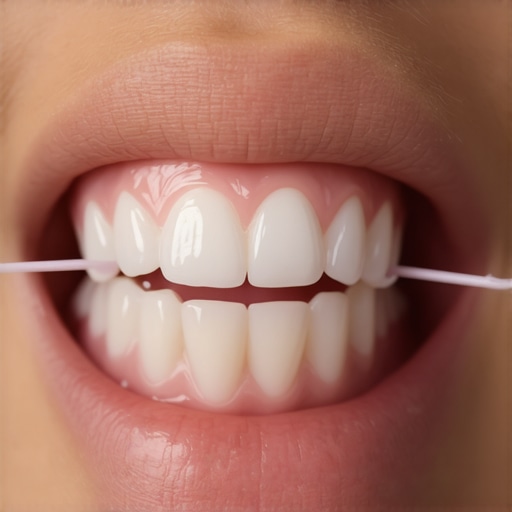
It was an ordinary Tuesday evening when I finally realized something was wrong. After meticulously flossing, I noticed my gums were more inflamed than usual—tingling, red, almost painful. At first, I thought I was overreacting. But then I remembered a mistake I made early in my dental journey that might be causing more harm than good. That lightbulb moment changed everything.
Many of us, myself included initially, believe that vigorous, aggressive flossing is the secret to healthy gums. We think more effort equals better results. But what if I told you that the very technique we rely on could actually be hurting our gums?
In this post, I want to share what I’ve learned from personal experience and professional advice to help you avoid causing damage while maintaining that crucial part of your oral care routine.
The Hidden Danger of Aggressive Flossing
First, let’s address the elephant in the room. If you’ve been flossing daily, but notice bleeding, soreness, or even recession around your gums, you might be doing more harm than good. It’s tempting to think that scrubbing away with force ensures plaque removal. But reality checks in—your gums are delicate tissue, and overdoing it can lead to recession, inflammation, and worse oral health issues.
I used to think the more plaque I removed, the healthier my mouth became. Not realizing that I was actually damaging my gum line, I would floss with a tight grip, sawing back and forth aggressively. I quickly learned from my dentist that proper flossing isn’t about force but about gentle, controlled cleaning.
Professional guidance emphasizes that effective flossing should feel comfortable—no pain or bleeding should occur. If you experience discomfort, it’s a sign to adjust your technique rather than to double down. For more insights on proper flossing, check out this guide that covers the essentials for healthy gums.
Are you prone to these habits? Have you felt that twinge of pain or noticed bleeding after flossing? You’re not alone. Many try to tackle plaque with brute force without realizing it causes more harm. Recognizing and correcting this can make all the difference.
In the upcoming sections, I’ll walk you through the correct flossing technique, common mistakes to avoid, and how to incorporate other oral health practices to keep your smile bright and healthy.
But before diving into the how-to, let’s clear up one common concern many of my readers ask—”Is flossing actually worth it if I’m doing it the right way?” Well, let’s tackle that head-on.
Master Your Flossing Routine
My first step was to get the basics down—using about 18 inches of floss, this is crucial to avoid re-contaminating areas you’re already cleaned. I carefully wound most of the floss around my middle fingers, leaving a couple of inches to work with. This grip allows better control, similar to holding a pencil tightly but gently—firm enough to maneuver, delicate enough not to damage gums.
Gentle, Precise Movement
Instead of sawing back and forth aggressively, I learned to slide the floss gently between my teeth, using a zigzag motion—like carefully slicing through a delicate thread. I made sure to curve the floss into a C-shape around each tooth, reaching just below the gumline, which is the critical area for plaque removal. I vividly remember the first time I succeeded—my gums didn’t bleed afterward, confirming I was doing it correctly.
Focus on the Gumline
Pressing lightly and moving in a controlled manner was key. I avoided snap movements, which can hurt the gums and cause recession over time. Instead, I gently paused at the gumline, ensuring the plaque-rich interface was cleaned without traumatizing the tissue, much like cleaning a jewelry setting without scratching the metal.
Routine, Not Reckless
Consistency is vital. I made it a habit to floss every night after brushing, which over time improved my gum health. Remember, if your gums bleed initially, it’s a sign to adjust your technique—forceful flossing can worsen the problem. An effective method includes a gentle insertion, a careful curve, and a slight up-and-down motion to dislodge plaque.
Use the Right Tools
If traditional floss feels awkward, consider alternatives like dental picks or water flossers, but always focus on gentle use. Proper flossing is a micro-movement process—your goal is to remove debris without damaging tissue. For deeper insights into how family dentistry approaches preventive care, visit Top Oral Health Tips.
Stay Mindful of Your Technique
I found that regularly checking my technique by looking into the mirror helped me ensure I was applying the right pressure and angle. Learning through reflection reinforced better habits and prevented injury. Remember, the goal is to maintain healthy, pink gums—not to scrub them raw.
Many patients believe that visiting the dentist regularly is enough to maintain oral health, but the reality is more complex. One widespread myth is that dental procedures like crowns or Invisalign are purely cosmetic; in fact, they play crucial roles in functional health. For example, crowns aren’t just about aesthetics—they protect weakened teeth and restore bite functionality, which can prevent issues like jaw pain or uneven wear. To understand these benefits fully, review this comprehensive guide.
A common mistake is underestimating the importance of precise technique in applying these treatments. Inaccurate placement of crowns or improper adjustment of Invisalign trays can lead to discomfort, misalignment, or even long-term damage. This is why consulting an experienced professional is vital; they understand the nuanced biomechanics involved. Interestingly, recent studies suggest that personalized treatment plans significantly improve outcomes, emphasizing the need for tailored approaches rather than one-size-fits-all solutions.
Another misconception involves the longevity of some treatments. Many believe that once a crown or Invisalign treatment is completed, no further action is necessary. However, maintaining optimal oral health requires ongoing care, including regular check-ups and proper hygiene practices. For instance, neglecting to address minor gum recession around crowns can lead to more severe issues over time, emphasizing the importance of vigilant maintenance.
Now, let’s consider a sophisticated question: How do subtle variations in oral anatomy influence the success of crowns and Invisalign? The answer lies in recognizing individual differences in jawbone density, tooth alignment, and bite patterns. These factors can affect the fit and functionality of restorations and aligners. Recent research indicates that using advanced imaging techniques like 3D CBCT scans enhances diagnostic precision, leading to more predictable outcomes. For more insights on cutting-edge diagnostics, explore current trends in family dentistry.
Most importantly, be cautious of the mistake of prioritizing quick fixes over comprehensive care. For example, opting for store-bought whitening kits without professional guidance can damage enamel, especially if underlying issues are present. Addressing such pitfalls requires awareness and expert consultation. To safeguard your smile, always seek advice from qualified professionals who can tailor treatments to your unique needs.
In summary, understanding the nuanced roles of crowns, Invisalign, and other procedures goes beyond basics. Recognizing advanced factors like biomechanics, individual anatomy, and the importance of ongoing maintenance ensures better results and long-term oral health. Have you ever fallen into this trap? Let me know in the comments.Maintaining optimal oral health over the long term requires more than just good habits—it involves having the right tools and a proven routine. Personally, I swear by an electric toothbrush that combines oscillating and sonic technology. Models like the **Philips Sonicare DiamondClean** offer superior plaque removal, especially around crowns and in hard-to-reach areas, without the aggressive scrubbing that can damage delicate gum tissue. Using such a device, I noticed a marked reduction in gum inflammation and extended the lifespan of my restorations.
Another essential tool I rely on is a **water flosser**, like the Waterpik Aquarius. Not only does it make cleaning around Invisalign trays and crowns more accessible, but it also helps dislodge debris from areas traditional floss may miss, especially in tight spaces. I recommend pairing it with a natural, alcohol-free mouth rinse to maintain fresh breath and reduce bacterial buildup.
For routine checks, I use a **quality dental mirror with LED illumination**. This compact device allows me to inspect my smile for early signs of recession, discoloration, or gum irritation, enabling me to address issues before they escalate. Additionally, I keep a pair of **interdental brushes** handy for cleaning behind braces, around crowns, or in between wider teeth.
When it comes to software, I suggest scheduling regular virtual consultations using secure platforms like SmileMate. This technology allows for remote monitoring of your oral health, guiding you through personalized care routines and catching potential issues early. Staying ahead with these tools, combined with professional advice, ensures your smile remains resilient and beautiful.
Looking ahead, advancements like **AI-powered diagnostic tools** will increasingly personalize family dentistry, tailoring treatments to your unique oral biology. For now, I recommend adopting a comprehensive toolkit supporting gentle, thorough cleaning. Investing in a good electric toothbrush and water flosser is a game-changer—try incorporating these into your routine and observe how your long-term results improve.
### How do I keep my tools effective over time?
Regularly replace brush heads, no less than every three months, and clean water reservoirs and tips to prevent bacterial growth. Just as a crowning achievement in restorative care depends on precise placement, maintaining your tools ensures they perform optimally, safeguarding your investment and health. To learn more about the importance of choosing the right crown, visit this expert guide.
Lessons I Wish I Had Known Before
One of the most profound lessons was realizing that aggressive flossing can do more harm than good, leading me to adopt a gentler approach that preserved my gums and prevented recession. It’s easy to underestimate how delicate your gum tissue truly is, especially when trying to remove stubborn plaque. Patience and gentle technique are far more effective and safer than brute force. I also learned that seeking comprehensive, personalized advice from trusted professionals truly transforms your oral health journey, avoiding costly mistakes from misinformation or shortcuts.
Another lightbulb moment was understanding that the choices we make about tools—like opting for a high-quality electric toothbrush or water flosser—have a direct impact on the longevity of crowns, Invisalign, and other restorations. Investing in the right tools allowed me to maintain my smile’s health and beauty much longer than I thought possible. Lastly, I discovered that routine inspection—using a mirror or digital tools—helps catch issues early, saving you discomfort and dental expenses over time.
Tools and Resources That Elevated My Smile
For me, switching to a **Philips Sonicare DiamondClean** electric toothbrush revolutionized my cleaning routine. Its gentle yet thorough brushing removed plaque effectively around crowns and Invisalign trays without damaging my gums. Complementing this, a **Waterpik Aquarius** water flosser made hygiene in hard-to-reach areas a breeze, especially around braces and bridges. I trust these because they are backed by dental research and real user reviews that emphasize their safety and efficacy.
To stay informed, I regularly consult the detailed guides on family dentistry, like this comprehensive crown guide, which deepened my understanding of restorative options. For addressing Invisalign myths and optimizing my orthodontic care, I refer to this trusted resource. Continuous education empowers me to make smarter decisions and preserve my smile longer.
Your Next Step Toward Confident Smiles
Now, it’s your turn to embrace these insights and take control of your oral health journey. Dentistry is evolving rapidly, and with the right habits, tools, and knowledge, you can enjoy a healthy, radiant smile well into your golden years. Remember, even small adjustments—like flossing more gently or scheduling regular check-ups—compound into lifelong benefits. Your future self will thank you for making these mindful choices today.
What’s one change you’re eager to try in your oral routine? Let me know below and share your progress!