
The hidden danger of using your teeth as tools
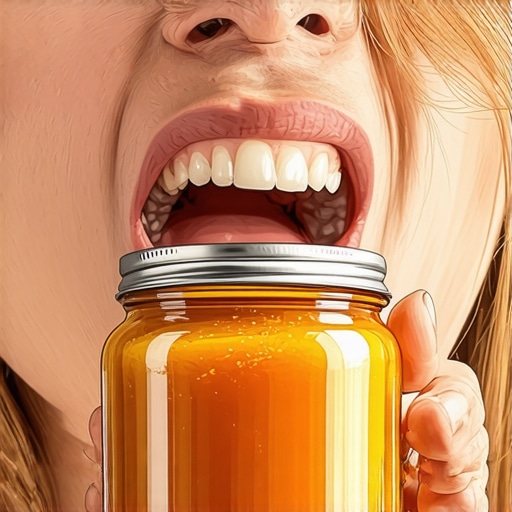
Picture this: you’re opening a stubborn package or trying to untangle a knot, and instead of reaching for scissors or a tool, you bite down firmly on the edge of a box or a plastic tab. Suddenly, a sharp pang shoots through your tooth. That moment of quick frustration can come with a hidden price — damage you might not notice until much later. I had one of these lightbulb moments myself, when a small crack became a big problem after I used my teeth as a makeshift opener. It made me realize how often we underestimate the risks lurking in everyday habits.
How a Simple Snack Break Turned Into a Dental Dilemma
For years, I thought nothing of using my teeth as tools — opening stubborn packaging, cracking nuts without a nutcracker, or even pulling out staples. But one day, after a quick snack, I felt a dull ache that wouldn’t go away. Turns out, that casual habit had caused a tiny crack in my tooth, setting the stage for more serious issues down the line. This experience was a wake-up call for me and a reminder that our teeth are made for chewing, not for opening, prying, or ripping. According to the American Dental Association, misusing teeth as tools causes unnecessary fractures and wear, which can lead to costly repairs like crowns or even implants.
Why Using Your Teeth as Tools Is a Dangerous Habit
Our teeth are incredibly strong — but only within their natural limits. When we turn them into makeshift tools, we risk chipping, cracking, or fracturing parts that weren’t designed to withstand such force. Over time, these small damages can lead to bigger problems—such as infection, tooth loss, or the need for restorative treatments. I learned this the hard way early in my dental journey. Early mistakes, like ignoring minor chips, can snowball into extensive work with a hefty price tag. To avoid this, I always recommend exploring better solutions — like keeping a pair of scissors handy or using a proper tool. If you’re curious about protecting your family’s oral health while embracing modern techniques, check out these family dentistry tips.
Is Ignoring This Risk Really Worth the Cost?
From personal mishaps to bigger dental bills, I’ve seen firsthand how small shortcuts can lead to big expenses. And honestly, it’s a mistake I hear about from many patients. My early blunder was trying to crack an almond shell with my teeth — a moment I now look back on with a mix of embarrassment and relief, knowing I could have prevented it. Trust me, the cost of neglecting this simple advice is far greater than time spent grabbing proper tools or speaking with your family dentist about preventive care. Want to learn how to avoid these pitfalls? Keep reading, because next, I’ll share effective strategies to protect your teeth and keep them healthy for life.
Establish a Daily Oral Hygiene Routine
Start with brushing your teeth twice a day for two minutes each session, using fluoride toothpaste. Make sure to cover every surface, including the hard-to-reach back teeth. Floss daily to remove plaque and food particles lodged between teeth, preventing decay and gum disease. I once neglected flossing for a couple of days, which led to uncomfortable gum swelling that required professional cleaning—an easy mistake to fix with consistent habits.
Use Proper Tools for Dental Care
Replace your toothbrush every three to four months or sooner if bristles fray. Consider investing in an electric toothbrush; studies show they can remove plaque more effectively. When I switched to an electric model, I noticed smoother cleaning and reduced gum irritation. Additionally, use interdental brushes or water flossers to clean between braces or dental work, making maintenance easier and more effective.
Be Mindful During Eating and Snacking
Avoid biting on hard objects like ice, nuts, or popcorn kernels, which can cause chips or cracks. When snacking, choose less sugary options and rinse your mouth afterward to reduce acid buildup. I recall a time when I crunched on a popcorn kernel, feeling a sharp pain—turns out it caused a tiny crack that later required a crown. Smarter choices during meals can prevent such mishaps.
Schedule Regular Dental Checkups
Visit your dentist at least twice a year for professional cleanings and examinations. These appointments help catch early signs of decay or damage before they require extensive treatment. I once overlooked a small cavity, which progressed unnoticed until it caused significant discomfort—regular checkups could have prevented this. Your dentist can also evaluate your habits and recommend personalized strategies or treatments like Invisalign or crowns to maintain your smile’s health and aesthetics.
Protect Your Teeth During Activities
If you participate in sports or grind your teeth at night, wear a mouthguard to prevent fractures or wear. Night guards are especially effective for those suffering from bruxism, which can cause tooth weakening over time. I learned this firsthand after noticing increased tooth sensitivity—a custom night guard preserved my dental health and saved me from costly repairs.
Limit Harmful Substances and Habits
Reduce intake of acidic drinks like soda and citrus juices that erode enamel. Avoid using your teeth as tools for opening packages or pulling staples, as this can cause chips and cracks. Remember, teeth aren’t built for prying—they’re for chewing. A small change in habits, like keeping scissors handy instead of biting dangerous items, can make a significant difference.
Consider Cosmetic and Restorative Treatments When Needed
If you notice chips, discoloration, or misalignment, consult your dentist about options like crowns or orthodontic solutions like Invisalign. These procedures not only improve appearance but also strengthen your teeth, making them less susceptible to future damage. I had a cracked tooth repaired with a crown, which restored both function and confidence.
Maintain Good Lifestyle Choices
A balanced diet rich in calcium and vitamins supports strong enamel and healthy gums. Avoid smoking and excessive alcohol, which can impair healing and increase the risk of gum disease. Personal experience taught me that quitting smoking not only benefits my lungs but also significantly improves my oral health, reducing staining and gum inflammation.
By integrating these practical steps, you’re actively safeguarding your teeth against damage and ensuring a lifetime of healthy, confident smiles. Remember, small consistent actions are the cornerstone of effective oral health management, and consulting with your family dentist can tailor strategies specific to your needs.
Many assume that Invisalign and crowns are simple, almost magic solutions for dental issues, but the truth is more nuanced. For instance, a common misconception is that Invisalign can fix any misalignment quickly and effortlessly. While it’s effective for many cases, complex bite problems may require traditional braces or even surgery. Relying solely on Invisalign without proper evaluation could lead to extended treatment times or suboptimal results. Similarly, many believe crowns are merely cosmetic, but they play a vital role in restoring functionality and protecting compromised teeth. Choosing the wrong material or not considering underlying issues like decay can compromise longevity. When it comes to family dentistry, there’s often an overemphasis on quick fixes rather than holistic, preventive care. Regular checkups and patient education truly make the difference in preserving oral health for all ages.
Could Overconfidence in DIY Dental Solutions Hurt You Later?
Studies show that attempting home remedies or delaying professional care often exacerbates problems, leading to more invasive—and expensive—treatments down the line. It’s essential to trust trained professionals for diagnosis and treatment planning. For example, misdiagnosing a small crack as harmless can result in a fractured tooth or infection, which could have been prevented with early intervention. To deepen your understanding, I recommend exploring why crowns are a game-changer in restorative dentistry or learning about modern family dentistry techniques that emphasize comprehensive care. Remember, being aware of these nuances helps you make informed decisions and avoid costly pitfalls. Have you ever fallen into this trap? Let me know in the comments.
How do I keep my dental work performing at its best over the years? Think of your dental tools and routines as the foundation that sustains your smile’s longevity. Choosing the right equipment and mastering effective methods are crucial for maintaining your teeth, especially when investing in treatments like Invisalign or crowns.
Personally, I swear by my high-quality electric toothbrush, the Oral-B Genius X. Its oscillating-rotating motion, combined with real-time coaching through Bluetooth connectivity, makes me confident I’m thoroughly cleaning each tooth. Unlike standard brushes, this device has a timer and pressure sensors alerting me if I brush too hard—preserving my enamel and gums in the long run. Regularly replacing the brush head every three months prevents bacteria buildup and ensures optimal performance.
Another crucial tool I rely on is a water flosser, specifically the Waterpik Aquarius. For me, this device is indispensable, especially after orthodontic treatments like Invisalign, where traditional flossing can be cumbersome. Its gentle pulsations effectively dislodge plaque between teeth and along the gum line, reducing the risk of decay and inflammation. Over time, I’ve noticed my gums stay healthier, and I avoid issues that could compromise my restorations or aligners.
Beyond hardware, software plays a pivotal role. I use the D’Mail app linked to my toothbrush and flosser to monitor my brushing patterns and receive personalized recommendations. This data-driven approach keeps me accountable and ensures I stay consistent. As technology advances, I anticipate even smarter devices integrating with AI to tailor oral hygiene routines dynamically.
In the future, the trend is leaning toward AI-driven diagnostics and preventive tools that can alert you to early signs of decay or gum disease, even before symptoms appear. Staying ahead with these innovations can save time, money, and discomfort. For example, at-home 3D mouth scanners are emerging, giving real-time insights into your oral health status. I recommend trying to incorporate a smart, integrated hygiene system that aligns with your lifestyle for long-term benefits.
Remember, maintaining your dental work requires a combination of proper tools and diligent routines. Regular professional checkups remain essential, but equipping yourself with the right gadgets amplifies results. To explore some effective strategies, check out these family dentistry tips.
Additionally, an often-overlooked aspect is the importance of a comprehensive, personalized maintenance plan created with your family dentist. For advanced recommendations on integrating new tech into your routine, consult trusted sources or your dental professional. Remember, staying proactive today sets the stage for a healthy, functional smile tomorrow. Start experimenting with a quality water flosser or smart toothbrush to elevate your daily routine. Why not give these a try and notice the difference in your oral health? For expert advice tailored to your needs, consider reaching out to a professional—your future self will thank you.
Lessons That Changed My Approach to Oral Care
- Prevent small issues before they turn big: I used to overlook minor cracks or sensitivity, dismissing them as negligible. Realizing how quickly these can escalate into costly repairs taught me to prioritize early intervention, reinforcing the importance of regular checkups and attentive at-home care.
- Tools matter more than you think: Switching to a high-quality electric toothbrush and water flosser transformed my routine. The investment in proper tools is an investment in long-term oral health, helping me maintain restorations like crowns and ensure my Invisalign treatments stay on track.
- Habits shape your smile’s future: Simple habits, like avoiding biting on ice or opening packages with teeth, have made a noticeable difference. Small daily choices compound into significant protection against damage, stress-testing the idea that prevention is always better than repair.
- Personalized plans beat one-size-fits-all: Collaborating with my dentist to develop tailored strategies, especially during family visits, underscored that each smile requires unique attention. Regular professional guidance ensures protection from emerging threats or missteps in routine care.
- Stay curious about modern techniques: Discovering innovations in family dentistry, like transparent aligners or minimally invasive restorations, expanded my understanding of comprehensive care. Continuous learning keeps me motivated to maintain a lifetime of healthy smiles.
My Go-To Resources for Smarter Oral Health Decisions
- Family Dentistry Tips: A treasure trove of insights integrating modern tech into routine care—trusted because it’s rooted in real-world experience and latest research.
- Crowns and Restorations: Deep dives into restorative options that empower me to make informed choices about strengthening and restoring my teeth effectively.
- Invisalign Innovations: Cutting-edge advancements that help maintain aesthetic confidence without sacrificing functionality, showing that smart technology is reshaping family dentistry.
- Family Oral Health Tips: Practical advice that keeps my family’s smiles bright and healthy, emphasizing prevention over correction, which is always more cost-effective.
Your Smile Deserves the Best—Start Today
Remember, safeguarding your teeth doesn’t require grand gestures—small, consistent steps lay the groundwork for a lifetime of confidence and health. Whether it’s upgrading your brushing routine, consulting your trusted dentist, or exploring new tech solutions, each move champions your oral health journey. Embrace the proactive mindset today—your future self will thank you for the effort.
What small change are you willing to make today to protect your smile? Share your thoughts below and let’s motivate each other to keep smiling confidently!