
The Pressure Test: Why Your Crown Hurts Only When You Eat Hard Foods
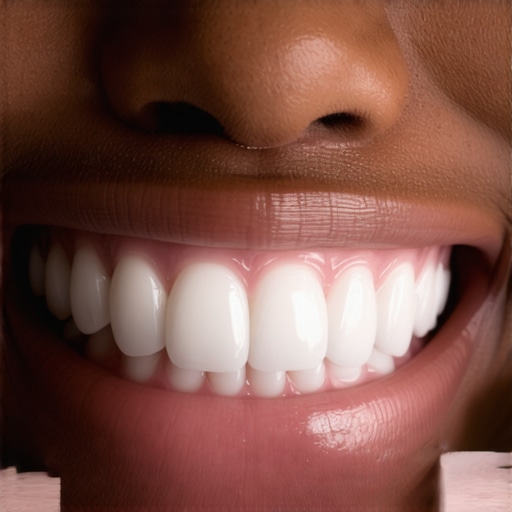
Have you ever taken a bite of your favorite crunchy apple or a handful of nuts and suddenly felt a sharp jolt of pain? I know that moment all too well—it’s like your mouth decides to remind you that something’s not quite right. For me, it was a wake-up call. I had just gotten a new crown, and I thought everything was smooth sailing—until I encountered this bizarre sensitivity only when biting into hard foods.
Cracking the Code of Crown Sensitivity
What puzzles many patients, including myself at first, is why the discomfort manifests exclusively during certain meals. It’s a common experience that can leave you wondering whether your crown is failing or if you’re simply imagining things. Well, I learned that this type of pain isn’t normal, and it often points to underlying issues that need attention. Today, I’ll share the insights I gained from my own journey, so you can better understand what might be happening in your mouth and how to address it effectively. Trust me, no one likes the surprise of a sensitive crown during mealtime—especially when it disrupts your favorite foods.
Is It Just a Matter of Time Before Your Crown Fails? When to Worry
One mistake I made early on was ignoring minor discomfort, thinking it would go away. That was a mistake. According to dental experts, persistent pain when chewing hard foods could indicate problems like microleakage or a loose crown, which might lead to more extensive issues if not addressed promptly. Knowing the warning signs can save you from bigger dental problems down the line. If you’ve noticed your crown feeling tender only when biting down hard, you’re not alone—and it’s worth discussing with your dentist sooner rather than later. Early intervention can make all the difference in preserving your smile and avoiding unnecessary procedures.
Examining Your Bite and Crown Fit
Start by gently biting into a piece of soft to average hardness, like a banana or cooked vegetable, to gauge your sensitivity without risking further discomfort. I learned this in a real mess-up when I tried biting into a crispy apple too soon after my crown placement, which caused immediate pain and a small chip. After such an incident, I used a mirror to observe the crown’s placement—any gaps, cracks, or rough edges can indicate a loose or poorly fitted crown. If you notice these issues, don’t ignore them; schedule a visit with your dentist, as a misfit crown can cause microleakage or decay. Choosing the right crown expert ensures durability and comfort.
Maintain Proper Oral Hygiene to Prevent Further Damage
Clean your crown area gently using a soft-bristled toothbrush and floss carefully around it to eliminate plaque buildup that might worsen sensitivity. I had a similar experience where neglecting proper flossing led to gum recession around my crown, exposing the root and intensifying discomfort. Incorporate an antifungal or desensitizing toothpaste—these are specially formulated to shield tooth nerves from temperature changes and mechanical irritation. Regular flossing also helps prevent microgaps where bacteria can thrive. Remember, proper hygiene is the foundation for long-term crown health. For comprehensive advice, see top oral health tips.
Adjust Your Eating Habits to Minimize Pain
Now, modify your diet temporarily by avoiding hard, sticky, or crunchy foods that may put excessive pressure on your crown. I made the mistake of trying to chew on popcorn kernels, which caused additional sensitivity and a loose crown. Opt for softer foods, and cut larger items into smaller bites. Chewing slowly and on the opposite side of your mouth can distribute forces more evenly, reducing stress on the crown. Considering your habits, you might also explore how modern orthodontic solutions like Invisalign can help if misaligned bites are contributing to uneven pressure. While Invisalign is often associated with straightening teeth, it also plays a role in improving bite function, which can alleviate crown stress. ” alt=”Close-up of a person gently chewing with a soft food” title=”Gently chewing soft food to reduce crown stress”/>
Seek Professional Evaluation for Lasting Solutions
If discomfort persists despite these steps, consulting your dentist is essential. They can perform a thorough examination, including X-rays, to identify issues like microleakage, decay beneath the crown, or a need for replacement. In some cases, re-cementing a loose crown or replacing a damaged one is the only definitive fix. Remember, managing sensitivity proactively prevents more extensive problems down the line. Regular dental visits and maintaining good oral hygiene keep your crowns—and your smile—healthy and comfortable. Don’t wait until minor discomfort becomes a major concern; prompt professional assessment ensures peace of mind and a pain-free bite.Many people mistakenly believe that all dental treatments are straightforward and universally suitable. However, as I’ve delved into advanced dental insights, I’ve uncovered nuances that often go unnoticed. For instance, the common myth that crowns are a one-size-fits-all solution dismisses the importance of custom fit and material selection. Choosing the right type of crown—whether porcelain, zirconia, or a hybrid—can significantly impact long-term durability and oral health. Moreover, many patients underestimate the risks of microleakage, a subtle yet dangerous phenomenon where bacteria penetrate the margin of the crown, leading to decay beneath the restoration. Experienced dental professionals often emphasize the importance of proper sealing techniques and materials that resist microleakage, as supported by a study published in the Journal of Prosthodontics.
When it comes to Invisalign, there’s a misconception that aligners only straighten teeth without affecting bite or jaw health. In reality, advanced orthodontic planning uses digital simulations to optimize not just alignment but also functional bite improvements, which can prevent premature wear or TMJ issues. A common mistake is ignoring the subtle nuances, like retained elastic forces, that influence treatment outcomes. Proper monitoring and adjustment by an expert are crucial for success. Think of Invisalign as a sophisticated tool—not just for aesthetics but as part of a holistic approach to oral health—highlighted in detailed guides like this resource.
People often overlook the deeper implications of routine oral health practices. For example, aggressive brushing can erode gums and create micro-injuries, making gums more susceptible to disease. Similarly, neglecting the interdental cleaning nuances can leave bacteria lurking in hard-to-reach spots, undermining the benefits of even the best treatments like crowns or Invisalign. An advanced mistake involves underestimating the importance of personalized maintenance routines, which can extend the lifespan of restorations and orthodontic results. Being proactive and understanding the subtle inflammation signs can save thousands in future procedures. For a comprehensive overview, check top oral health tips that emphasize nuance and personalization.
Maintaining your dental restorations and orthodontic work requires more than just routine visits; it demands the right technology and methods to ensure long-term success. From high-precision tools used by professionals to smart hygiene techniques, equipping yourself with the proper resources makes all the difference. Personally, I’ve found that investing in quality oral care devices and understanding their functionality helps me stay ahead of potential issues, minimizing unexpected surprises like crown discomfort or Invisalign setbacks.
How do I maintain my dental work over time? Explore the systems I rely on for durable results.
One of my go-to tools is the use of an ultrasonic water flosser. Unlike traditional floss, this device uses quick bursts of water to effectively remove plaque and debris from around crowns and braces, especially in hard-to-reach spots. I personally use the Waterpik Sonic-Fusion, as its combination of brushing and flossing in a single device saves time and enhances cleaning efficiency. Incorporating such technology into my daily routine has visibly reduced sensitivity and interior staining on my Invisalign trays, demonstrating the importance of advanced tools in long-term oral health management.
Another crucial element is wearing a high-quality night guard made via digital impression technology. Unlike traditional molds, digital scans create precise, comfortable appliances that fit perfectly, reducing the risk of wear and tear. I’ve had great results with my custom night guard, which I custom ordered after an in-office 3D scan. This type of personalization ensures better protection against grinding and mitigates pressure on crowns or implants—thus prolonging their lifespan. For those interested, learning about the benefits of custom-fit restorations can be game-changing.
Future trends: Where is family dental technology headed?
The future points toward smart dental implants and AI-powered monitoring systems that track oral health metrics continuously. Imagine devices that alert you before minor issues become major problems, like microleakage or early decay under crowns. As digital dentistry advances, staying proactive with these innovations will become standard practice, extending the durability of restorations and aligning with comprehensive family health strategies.
 Invisalign guides: They helped me understand the latest innovations making orthodontic treatments less intrusive and more effective for all ages.
Embrace Your Dental Future Today
Taking charge of your family’s dental health doesn’t have to be daunting. Every step toward understanding crowns, Invisalign, and modern oral hygiene techniques builds confidence and ensures a lifetime of healthy smiles. Remember, your journey to optimal oral health is unique—and I encourage you to seek personalized advice from your trusted dental professional to find solutions tailored specifically for you and your loved ones. Are you ready to prioritize your smile? Share your experiences or questions below; I’d love to hear how you’re transforming your dental care story!