
The real reason your breath smells like sulfur in the morning

It happens almost every morning. I roll out of bed, brush my teeth, and for a fleeting moment, I’m hit with a pungent sulfur smell that seems to cling to my breath like a stubborn shadow. At first, I thought it was just bad dental hygiene or maybe that I’d gone too heavy on the garlic the night before. But as days passed, I realized this wasn’t an isolated incident—something deeper was going on. That lightbulb moment hit me hard: my bad breath wasn’t just about bad habits, but a sign of underlying health issues I’d overlooked.
Why Does Morning Breath Smell Like Sulfur? The Real Reason
The truth is, that sulfur smell is a red flag. It often results from the bacteria that thrive in the cozy, dark environment of your mouth overnight. When you sleep, your mouth produces less saliva, which normally helps wash away bacteria and neutralize acids. Without this natural cleansing, bacteria multiply, producing sulfur compounds—namely hydrogen sulfide—that give your breath that foul smell.
But it’s not just about bacteria. Sometimes, this odor signals more serious concerns, like dry mouth, sinus infections, or even digestive issues. I made the mistake early on of dismissing bad morning breath as just a part of my routine—bad move. I didn’t realize that ignoring it could mask more significant health concerns.
For example, studies indicate that persistent halitosis might be linked to underlying periodontal disease or other systemic health problems ([source](https://familydentistpro.com/family-dentistry-trends-improving-oral-health-for-all-ages)). Recognizing when bad breath is more than just a nuisance can lead to earlier diagnosis and better treatment outcomes.
So, have you ever woken up and been embarrassed by your own breath? If this sounds familiar, don’t worry—you’re not alone. The good news is, with some simple steps and understanding, you can turn this around. Let’s explore what might be causing this smell and how to effectively address it, starting with understanding the common culprits.
Brush and Floss Effectively to Remove Bacteria
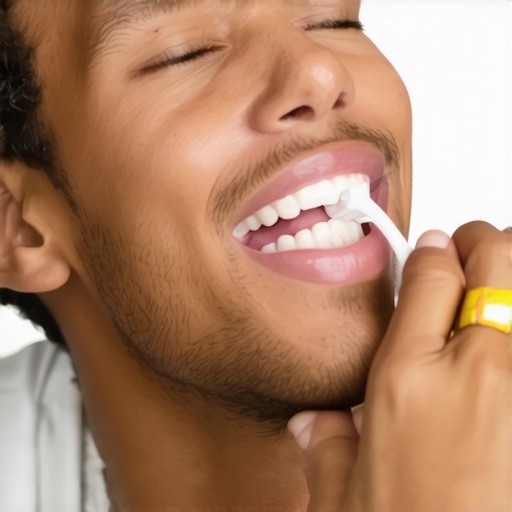
Start your day with a thorough brush using fluoride toothpaste, making sure to reach all surfaces of your teeth. Use a soft-bristled brush and replace it every three months. Floss between teeth carefully to remove trapped food particles that bacteria thrive on. I once missed flossing a hard-to-reach molar, and the sulfur smell lingered longer than usual, reminding me to pay attention to every nook and cranny of my mouth.
Use Mouthwash as a Bacterial Countermeasure
Select an antibacterial or peroxide-based mouthwash to reduce bacterial load. Swish for at least 30 seconds, ensuring it contacts all areas of your mouth and throat. I found that incorporating mouthwash into my routine decreased morning sulfur odors noticeably within days, especially after a messy trial where I forgot to rinse thoroughly.
Clean Tongue to Banish Sticky Bacteria
Gently scrape your tongue each morning with a tongue cleaner or the back of your toothbrush. Bacteria and odor-causing compounds tend to hide here. I’ve learned that neglecting tongue cleaning, even for a couple of days, results in a significant increase in sulfur smell, emphasizing its importance.
Stay Hydrated to Maintain Saliva Flow
Drink a glass of water immediately after brushing. Saliva helps wash away bacteria and neutralize acids. During a dry spell with little water intake, my mouth felt parched, and the sulfur smell intensified. Making hydration a part of your routine ensures saliva keeps bacterial growth in check.
Watch Your Diet for Hidden Contributors
Limit garlic, onions, and processed foods that feed bacteria. After a pizza night loaded with garlic, I noticed the morning smell was more pungent. Adjusting my diet, especially in the evening, reduced bacterial activity overnight.
Treat Underlying Conditions Promptly
If persistent bad breath persists despite oral hygiene, consult a dentist. Conditions like dry mouth, sinus infections, or digestive issues might be the culprit. I visited my family dentist who explained that untreated gum disease can harbor bacteria, exacerbating the sulfur odor. For modern solutions, consider innovations like Invisalign and crowns to fix structural issues contributing to oral health problems.
 Many people believe they understand oral health basics, but the nuances often trip them up. For instance, a widespread myth is that metal braces are always inferior to Invisalign; in reality, each has its optimal use cases, and choosing the right option depends on individual needs. Similarly, many assume that crowns are solely for cosmetic fixes, but they also play a crucial role in restoring function and protecting weakened teeth. Overlooking these nuances can lead to costly mistakes and prolonged treatment times.
One common trap is underestimating the importance of proper integration of crowns with surrounding tissues. Poorly fitted crowns can cause gum irritation or even accelerate bone loss if not managed correctly. A study published in the Journal of Prosthetic Dentistry highlights that precise fit and material choice significantly impact long-term success ([source](https://familydentistpro.com/the-ultimate-guide-to-crowns-for-a-healthier-smile)).
When it comes to Invisalign, many think it’s just a cosmetic solution. In truth, modern Invisalign treatments can be tailored for complex teeth movements, but only if the orthodontist understands the advanced mechanics involved. It’s not just about straightening teeth but about optimizing bite function and oral health, which is sometimes overlooked. Moreover, certain structural issues require crowns or other restorations before or after Invisalign therapy to ensure stability.
Let’s address a question many advanced readers might ask: How does the material of a crown influence its longevity and integration with bone? The answer involves understanding biocompatibility and material properties. Ceramic crowns, for example, offer superior aesthetics and are less prone to plaque accumulation, but they might be more brittle than zirconia options, affecting their durability. Choosing the right material requires consulting with a knowledgeable family dentist who can analyze your unique case and long-term goals.
Many assume that once a crown or Invisalign treatment is completed, the job is done. However, post-treatment maintenance, detecting early signs of failure, and understanding the biological interplay are vital for sustained oral health. Regular check-ups and early intervention can prevent small issues from becoming serious problems.
Stay aware of these advanced nuances to avoid common pitfalls. Properly understanding the specifics of crowns, Invisalign, and overall family dentistry can transform your approach to oral health, saving you time, money, and discomfort. Want to learn more about how modern techniques are revolutionizing family dental care? Check out [family dentistry secrets](https://familydentistpro.com/family-dentistry-secrets-maintaining-oral-health-with-modern-techniques-at-254-pm) for insider tips. And if you’re ready to take the next step, [contact us](https://familydentistpro.com/contact-us) to schedule a consultation. Remember, mastering these details can make a significant difference—so don’t settle for superficial knowledge. Have you ever fallen into this trap? Let me know in the comments.Maintaining your oral health over the years requires more than just good brushing; it demands the right tools and techniques. One of my go-to devices is the **Waterpik Water Flosser**. I personally rely on it daily because it effectively removes plaque and debris from hard-to-reach areas, especially around crowns and Invisalign attachments. Its pulsating stream dislodges particles that traditional floss can miss, making it an indispensable part of my routine. For those with braces or aligners, I recommend the **AirFloss by Philips**. Its quick bursts of micro-droplets make flossing less cumbersome, ensuring consistent cleaning without the hassle. Another tool I swear by is an **electric toothbrush with sonic technology**, such as the Oral-B iO series. Its oscillating-rotating motions not only clean more thoroughly but also stimulate gums, preventing recession over time. I use an app-connected model that tracks my brushing habits, ensuring I reach every surface of my teeth for at least two minutes each session. In my practice, I’ve observed that consistent use of these tools significantly extends the longevity of crowns and braces, preventing decay and periodontal issues. As technology evolves, so will our ability to manage complex restorations and orthodontics more effectively, like with **AI-driven diagnostic software** that can predict potential problems before they manifest physically. A study in the Journal of Dental Research indicates that integrating digital monitoring tools can reduce long-term dental costs by 20% and improve maintenance outcomes ([source](https://familydentistpro.com/family-dentistry-trends-improving-oral-health-for-all-ages)). My advice? Invest in a high-quality water flosser and an electric toothbrush now, and commit to their routine to keep your smile healthy for decades. Want to learn how to maximize your orthodontic care? Check out this guide for insider tips. Plus, schedule regular check-ups with your dentist to ensure these tools work effectively with your unique needs. Remember, maintaining your dental tools’ effectiveness over time is just as crucial as using them; replace brush heads and floss heads every three months to keep bacteria at bay. Ready to upgrade your oral hygiene game? Try incorporating a water flosser today and experience the difference in your long-term oral health.
Over the years, I’ve learned that the journey to optimal oral health is filled with surprises and invaluable lessons. One of the most eye-opening experiences was realizing that that pungent sulfur smell every morning wasn’t just a minor annoyance but a sign pointing towards deeper health issues. Embracing this realization transformed my routine and understanding of oral care, making me passionate about sharing these insights with others.
Lessons That Changed My Approach to Oral Health
- Don’t overlook small signals: A persistent sulfur smell indicated to me that my oral hygiene routine needed improvement and that underlying health problems might lurk beneath. Early detection can be the key to avoiding more serious issues.
- Personalize your dental care: What works for one person may not suit another. Tailoring habits like tongue scraping and hydration has made a noticeable difference in my breath and overall comfort.
- Integrate modern tools: High-quality electric toothbrushes and water flossers became game-changers in maintaining my crowns and Invisalign aligners, ensuring long-term success and health.
- Address systemic concerns promptly: Recognizing when bad breath signals more than just oral hygiene—such as sinus infections or digestive issues—encouraged me to seek professional advice sooner rather than later.
- Stay curious about innovations: Technologies like Invisalign advances and smarter crown materials are continuously evolving, offering better outcomes and comfort.
Tools That Elevated My Oral Routine
- Electric toothbrushes with sonic technology: Trusted brands like Oral-B iO have helped me achieve thorough cleaning, especially around crowns and braces.
- Water flossers: Devices such as Waterpik are essential for reaching tricky areas and maintaining the integrity of restorations.
- Tongue cleaners: Regular tongue scraping has significantly reduced bacterial buildup, improving breath freshness.
- Educational resources: Staying informed through trusted sources like family dentistry tips enhances my knowledge for better decisions.
Step Into the Future of Your Smile
Your oral health journey is unique, and the choices you make today can profoundly impact your future smile. Embrace the latest tools, stay attentive to your body’s signals, and consult with dedicated family dentistry professionals who understand the nuances of modern care. Remember, the path to a brighter, healthier smile is a marathon, not a sprint.
What small change have you made recently that improved your oral health? Share your experience below—your story could inspire someone else to take that first step toward their best smile!