
The real reason your coffee habit is ruining your dental bonding
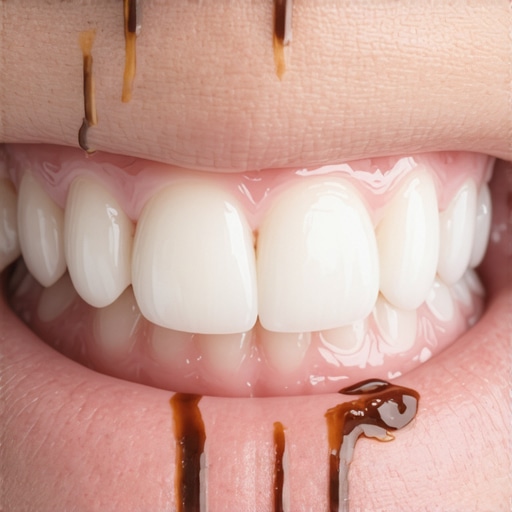
Have you ever glanced in the mirror after that morning caffeine fix and noticed your dental bonding looking a little less perfect? Maybe a tiny stain or a dull spot that wasn’t there yesterday? I remember the moment I first realized my beloved coffee was quietly undermining my smile, even after spending so much money on those shiny, perfectly bonded teeth. It felt like a punch to my confidence, and I knew I wasn’t alone in this struggle.
The Real Reason Your Coffee Routine Is Ruining Your Smile
It’s not just about staining—though that is a significant factor—it’s also about the acidity and temperature of your daily brew. Coffee, especially when sipped hot and black, contains tannins and acids that can gradually weaken your dental bonds. Over time, the surface of your bonding material can develop micro-chips or discolorations, making your smile look dull or uneven.
What surprised me early on was that many people overlook this cause because they associate stains solely with poor dental hygiene. But even diligent brushing can’t always protect against the subtle damage from our favorite beverage. According to the American Dental Association, acids in beverages can erode enamel and compromise restorative materials if not properly managed (source: American Dental Association).
Are you really doing enough to protect your investment in your smile?
Like many, I initially thought just cutting back on coffee or brushing more often would solve the problem. I didn’t realize I was making a crucial mistake early on—thinking that regular brushing alone could combat the acidic and staining effects. That false assumption led to quicker deterioration of my bonding than I expected.
In this post, I’ll share practical insights I’ve gathered from personal experience and expert advice, so you can enjoy your favorite coffee without sacrificing your radiant smile. Ready to learn how to keep your bonds looking fresh and beautiful? Let’s dive into the steps that can help you preserve your oral health and your confidence.
Master Your Routine to Shield Your Smile
Start by rinsing your mouth with water after enjoying coffee; this simple step neutralizes acids and washes away residual staining agents, similar to how a quick rinse can clear a foggy mirror. One morning, I forgot this step and rushed into work; the next day, my bonding looked duller, reinforcing the importance of a quick water rinse to maintain clarity and brightness.
Incorporate Proper Oral Hygiene Techniques
Use a soft-bristled toothbrush and fluoride toothpaste to gently clean your teeth twice daily. Focus on circular motions to prevent micro-chipping of your bonds, akin to polishing delicate glass without scratching. I once vigorously brushed and noticed tiny scratches forming on my bonding surface—an eye-opener to the delicate nature of restorative materials.
Utilize Specialized Dental Products for Protection
Invest in desensitizing or anti-staining toothpaste recommended by your dentist. These act like protective shields, similar to a wax coat on a car, defending against acids and stains. During a dental check-up, my dentist suggested a preventive treatment that formed a barrier over my bonds, significantly reducing stain accumulation.
Stay Strategic with Your Coffee Consumption
Limit hot, black coffee intake or use a straw to reduce contact with front teeth, much like sipping through a straw keeps liquids away from a painted surface to prevent discoloration. I adopted this trick on a business trip and was surprised how much less staining occurred, keeping my bonding looking fresh despite daily coffee rituals.
Timing is Everything When Drinking Coffee
Wait at least 30 minutes before brushing after drinking coffee; this window allows acids to neutralize, much like waiting for paint to dry before touching up. I once brushed immediately after coffee and noticed some micro-abrasions; delaying brushing preserved my bonding’s integrity.
Schedule Regular Dental Checkups
Visit your family dentist at least twice a year for professional cleanings and assessments. Regular exams act as a routine check-up on your investments—your teeth and bonds—helping catch damage early. During one such appointment, my dentist detected early micro-chipping and recommended a protective sealing that extended my bonds’ lifespan.
Consider Advanced Protective Measures
Ask your dentist about sealants or protective coatings designed for bonded teeth. Think of these as a clear armor layer that blocks stains and acids, much like a waterproof coating prevents damage. During a recent appointment, I opted for a surface treatment that noticeably enhanced resistance to coffee stains, keeping my smile brighter longer.
Remember, these small but consistent actions can significantly impact the longevity and appearance of your dental bonds, much like regular maintenance keeps a high-performance machine running smoothly. Integrating these steps into your daily routine ensures you enjoy your coffee guilt-free, knowing your smile stays vibrant and protected.
While most people think they understand the essentials of oral health, there’s a wealth of misconceptions and overlooked details that can significantly impact your dental longevity. For instance, many believe that choosing a higher-quality crown automatically guarantees durability, but without considering material compatibility and proper placement, even premium crowns can fail prematurely. In my experience, the real key lies in selecting the right type for your specific needs, as discussed extensively in expert advice on crowns.
What is the most common mistake patients make when opting for family dentistry services?
A frequent error is neglecting to ask about the latest technological advancements in diagnostics and treatment options. Modern family dentistry trends now include laser treatments, digital impressions, and minimally invasive procedures that can vastly improve outcomes and comfort. Failing to inquire about these tools can leave you relying on outdated techniques that may not provide the best long-term results.
Additionally, believe it or not, many assume that Invisalign is only suitable for slight corrections. In reality, recent innovations have expanded its capabilities to complex cases, rivaling traditional braces in effectiveness, as detailed in the future of Invisalign technology. Missing these nuances can delay optimal treatment choices and lead to unnecessary complications.
When it comes to crowns, a common myth is that they are a quick fix for any dental issue. However, research indicates that poor material selection or improper cementation can result in failures, necessitating early replacements. As noted in comprehensive crown guide, understanding the nuances of material properties and proper placement techniques is crucial for long-lasting restorations.
Moreover, many patients overlook the importance of regular maintenance and professional evaluations. Even the most advanced procedures need routine checkups to monitor for early signs of wear or failure. Regular visits can uncover issues before they escalate, aligning with the idea that preventive care is the foundation of lasting oral health.
So, next time you think you have all the facts about your dental health, consider these hidden nuances and question what you might be missing. Staying informed means making smarter choices — whether that’s selecting the right treatment, avoiding common pitfalls, or leveraging the latest innovations. Have you ever fallen into this trap? Let me know in the comments!
Maintaining your dental restorations, especially crowns and bonding, requires more than just good oral hygiene—it demands the right tools and consistent routines. Over the years, I’ve refined my approach, integrating specific equipment and methods that truly prolong the lifespan of my dental work. If you’re serious about keeping your smile healthy and vibrant, understanding and employing these tools can make a significant difference.
Investing in the Right Oral Hygiene Devices
First, I recommend switching to a sonic toothbrush. Unlike regular brushes, sonic models like the Oral-B Genius or Philips Sonicare generate rapid brush movements that dislodge plaque more effectively, especially around delicate areas like crowns and bonding. I personally use the Sonicare DiamondClean because it has multiple modes tailored for sensitive areas, ensuring microabrasions are minimized while still delivering powerful cleaning.
Why a Water Flosser Is Indispensable
Next, I embrace the routine of interdental cleaning with a water flosser, such as the Waterpik Aquarius. For me, this device is a game-changer—it reaches areas that traditional floss can miss, especially around crown margins and bonding edges where plaque buildup can lead to early failure. Regular use helps prevent decay and keeps tissues healthy, which in turn extends the longevity of your restorations. Incorporating a water flosser into your daily routine is a simple step with profound long-term benefits.
Benefits of LED Dental Curing Lights at Home
While professional visits include curing procedures, some advanced users supplement with a portable LED curing light. Devices like the Bluephase Icon allow for minor touch-ups or to ensure the resin cement on crowns remains fully hardened, especially after adjustments. Though I recommend professional supervision for most procedures, having a curing light at home allows for quick reinforcement of any minor repairs, preventing micro-movements or premature loosening.
Leveraging Software and Apps for Oral Care Tracking
Beyond equipment, I use dedicated apps like *Vident* or *MyDentist* to remind me of regular checkups and track the condition of my restorations. These digital tools are invaluable—they log the dates of cleanings, monitor wear, and can even send alerts if an issue arises. Staying proactive with software helps catch potential problems early, before they escalate into costly repairs or replacements.
Predicting Future Trends in Maintenance
Looking ahead, the integration of artificial intelligence (AI) with dental devices promises even smarter maintenance solutions. Imagine devices that can analyze your plaque levels in real time or detect microchipping in bonding materials—this synergy will enable personalized and immediate intervention, greatly enhancing long-term results. Companies like Dentsply Sirona are already testing AI-powered diagnostics that could revolutionize home care routines.
How do I keep my restorations working well over time?
Consistency is key. Regularly using quality brushes like the Sonicare, complementing with water flossers, and periodically employing a curing device for minor repairs can significantly extend the life of your crowns and bonding. I also recommend prioritizing professional evaluations, which often include the latest techniques and technologies, like digital imaging, to detect early signs of wear or damage. For a comprehensive understanding of the tools and procedures that will safeguard your oral investments, explore modern family dentistry techniques.
Lessons That Changed My Perspective on Dental Care
- Realizing that even the best bonding isn’t invincible made me more diligent about post-coffee routines, reminding me that prevention outweighs repair every time.
- I’ve learned the hard way that relying solely on regular brushing isn’t enough; integrating specific tools like water flossers transformed my oral health journey.
- The moment I discovered professional sealants for bonds was a game-changer—small investments that substantially boost longevity.
- Staying updated with the latest family dentistry trends has empowered me to make smarter choices and avoid outdated techniques that can cost more in the long run.
- Understanding that advanced solutions, like digital imaging and laser treatments, are accessible now changed my entire approach to maintaining oral health.
My Secret Arsenal for Lasting Smiles
The tools that truly revolutionized my routine include a sonic toothbrush like the Sonicare DiamondClean, which provides gentle yet effective cleaning, especially around crowns and bonding. A reliable Waterpik Aquarius has become indispensable for interdental cleaning, ensuring no plaque sneaks into tricky spots. For minor repairs or touch-ups, a portable LED curing light like Bluephase allows me to reinforce resin cement at home. Additionally, using apps such as *MyDentist* helps me track my routine and catch potential issues early, making maintenance a proactive rather than reactive process. I also follow industry leaders and updated guidelines on modern family dentistry, ensuring I benefit from cutting-edge innovations. Exploring these tools and resources has been instrumental in preserving my smile’s vitality over the years.