
The real reason your fillings feel sensitive to sweets
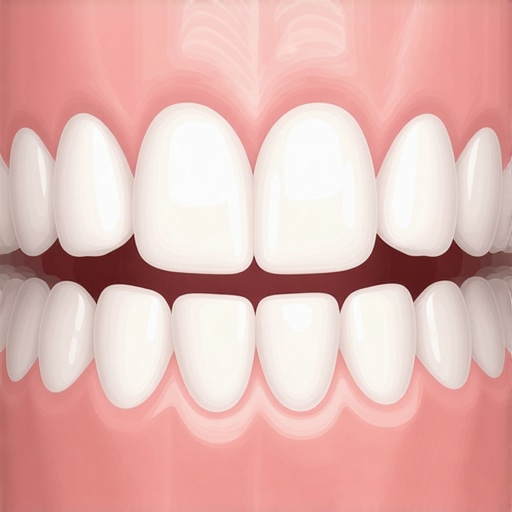
If you’ve ever reached for something sweet and suddenly felt a sharp jolt of pain, you’ll know exactly what I’m talking about. One day, I bit into that tiny piece of chocolate, only to be greeted by an unexpected ouch that made me pause and wonder what was happening. That moment of surprise turned into frustration, especially because I thought my fillings were supposed to protect my teeth, not betray me with every sugary treat.
The Real Reason Your Fillings Make Sweets Hurt
Here’s the honest truth—your fillings might not be the culprit alone. Often, the sensitivity comes from a mix of factors like enamel wear, tiny cracks, or even the way your teeth respond after dental work. Early on, I made the mistake of assuming that any sharp pain meant my filling was failing—turns out, I was overlooking the broader picture. Understanding what causes this pain can save you a lot of worry and unnecessary treatments.
Research indicates that nerve endings in your teeth become hypersensitive after cavity fillings due to minor nerve irritation or incomplete sealing of the filling material. This is common and usually temporary, but it can be intensely uncomfortable. The key is to differentiate between normal post-procedure sensitivity and a sign that something needs attention.
Is This Sweets Sensitivity Really Normal or a Sign of Trouble?
Early in my own experience, I dismissed the discomfort as just part of the healing process. I wish I had known that ignoring persistent or worsening pain could lead to more serious issues. A common mistake many make is neglecting ongoing sensitivity, thinking it will resolve on its own. But there are safe and proven ways to reduce this discomfort, and being proactive is essential. Curious about how to tell whether your sensitivity is normal or problematic? Keep reading, because I’ll share the practical tips that helped me, including some insider advice from my trusted family dentist, who explained the importance of proper sealing and how new advancements in restorative materials can make a real difference.
If you’ve experienced this frustrating sensitivity, don’t just suffer in silence. Discover the simple steps to soothe your teeth and prevent long-term damage. Ready to take control of your oral comfort? Let’s explore what you can do to make sweets taste sweet again without the pain.
Identify Your Triggers
Start by noting when your teeth hurt after eating or drinking. Is it only with sweets or hot and cold beverages? Remember the time I realized my sensitivity spiked after certain desserts; tracking these patterns helped me tailor my approach. Keep a small journal to record incidents and observe common factors.
Adjust Your Oral Hygiene Routine
Use a toothpaste formulated for sensitive teeth, which contains compounds like potassium nitrate that numb nerve endings. I switched to a sensitivity-specific paste and noticed improvement within a week. Brush gently with a soft-bristled brush to avoid aggravating the nerve endings further—think of it as giving your teeth a gentle massage, not a scrub.
Optimize Your Diet
Avoid very acidic or sugary foods that trigger pain. For instance, I limited citrus and replaced sugary snacks with nuts or cheese. This nutritional tweak reduces the chemical erosion of enamel, helping to protect exposed dentin. Remember, just as a gardener plants resilient seeds, you want to nourish your teeth with foods that foster strength.
Apply Desensitizing Gels Wisely
Over-the-counter desensitizing gels can be applied directly to affected areas. After brushing, I dab a small amount onto my sensitive spots and leave it overnight for better results. Consistency is key—think of it as coating your teeth with a protective shield, like armor for battle.
Be Mindful of Your Habits
Avoid habits like aggressively grinding or clenching teeth, which can worsen sensitivity. Using a nightguard, prescribed by your dentist, acts like a bumper barrier, preventing damage from grinding during sleep. Consider this as installing padding in your car bumper to cushion impacts—preventing further harm.
Seek Professional Assessment
If sensitivity persists beyond a few weeks, consult your dentist. They might check for cracks, or improperly sealed fillings, similar to inspecting a house’s foundation for cracks—it’s better to catch issues early. For example, I visited a family dentist, and they found a tiny crack that was causing ongoing pain, which they promptly repaired, providing lasting relief.
Explore Restorative Options When Necessary
Sometimes, your dentist might recommend more advanced treatments like crowns for severely damaged teeth. Crowns act like a sturdy hat, covering and protecting vulnerable teeth—more durable than simple fillings. Curious about how crowns can improve your smile? Read more about it here.
Remember, managing sensitivity is a process. By systematically adjusting your habits, diet, and seeking professional advice, you can regain comfort and enjoy your favorite sweets without fear of pain.
Many people believe they understand the basics of oral health and dental treatments like Invisalign, crowns, and family dentistry, but beneath the surface lie nuanced misconceptions that can impact long-term results. Let’s dig deeper into these pitfalls that even some seasoned patients overlook.
Why Common Wisdom About Crowns and Veneers Might Mislead You
Contrary to popular belief, choosing between crowns and veneers isn’t just about aesthetics; it’s about understanding your specific dental needs. Many assume that veneers are always less invasive and preferable, but they may not be suitable for teeth with significant structural damage. Expert guidance reveals that crowns often provide superior durability for compromised teeth, especially when decay or fractures are present. Falling for the myth that veneers are universally better can lead to costly, short-lived solutions that require replacement sooner than expected.
Similarly, many overlook the importance of trusted specialists in ensuring long-lasting restorations. For example, opting for any general dentist without considering their expertise in crown placement can result in issues like poor fit or premature failure. Personalized consultation with a crown expert guarantees better longevity and aesthetics, as emphasized by professional advice.
Invisalign Myths That Could Sabotage Your Smile Goals
Many believe Invisalign is a one-size-fits-all solution, but the reality is more complex. While Invisalign offers significant advantages over traditional braces, it’s not suitable for every orthodontic case. Patients with severe malocclusion may require alternative orthodontic interventions. Moreover, some underestimate the importance of compliance; the best outcomes depend on diligent wear, or results can be compromised. For instance, not wearing aligners for the recommended 20-22 hours per day can lead to prolonged treatment and less precise results, a nuance discussed in Invisalign myths resource.
Another common mistake is neglecting attachments or refinements that enhance Invisalign’s effectiveness. Without understanding these advanced techniques, patients might underestimate the complexity involved in achieving the perfect smile. It’s essential to consult with providers who stay updated on the latest Invisalign innovations for optimal results.
Risks in Family Dentistry Many Fail to Recognize
Family dentistry isn’t just about routine cleanings; it’s about preventive care that adapts to each age group. A misconception is that once children outgrow a phase, regular checkups are less crucial. However, early detection of dental issues like misalignment or decay can save considerable time and expense later. Additionally, many don’t realize the significance of age-specific techniques, such as sealants for children and peri-implant maintenance for adults with implants.
Overlooking these nuances can lead to missed opportunities for early intervention. For instance, failing to monitor developmental changes can result in more invasive procedures down the line. Recognizing that each family member’s needs evolve emphasizes the importance of a comprehensive, personalized approach to family oral health, as detailed in family dentistry secrets.
In essence, whether it’s selecting the right restorative option, understanding the true capabilities of Invisalign, or tailoring family dental care, awareness of these advanced nuances can dramatically improve outcomes. Remember, the goal isn’t just to treat but to prevent and preserve your smile for decades to come. Have you ever fallen into this trap? Let me know in the comments.
Keeping Your Smile in Top Shape: Essential Tools and Tips
Ensuring your oral health remains optimal over the years requires more than just good brushing and flossing habits; it involves investing in the right tools and adopting maintenance routines that support your restorations and natural teeth. I personally rely on a few specialized tools that have made a significant difference in my long-term dental outcomes.
First, a high-quality electric toothbrush with a pressure sensor is indispensable. I use the Oral-B iO because it provides real-time feedback, ensuring I don’t apply excessive force that could damage crowns or subgingival restorations. This automation helps me maintain gentle yet effective cleaning, reducing wear on sensitive areas. Remember, aggressive brushing can compromise longevity, especially for crowns and veneers. For additional plaque removal, I incorporate interdental brushes like the GUM Proxabrush, which cleans around brackets, crowns, and between teeth more efficiently than standard floss in hard-to-reach spots.
Next, I utilize a water flosser—specifically the Waterpik Aquarius. It’s not just for convenience; water flossers have been scientifically shown to reduce gingivitis more effectively when used correctly, as highlighted in recent clinical studies. They also help dislodge food particles around crowns and bridgework, preventing decay and staining. Incorporating this tool into my nightly routine preserves the integrity of restorations while maintaining gum health.
Beyond tools, I recommend using software like the Invisalign app for tracking your aligner wear and progress. Staying disciplined with aligner usage ensures predictable results and prevents costly adjustments. As Invisalign technology advances, integrating these tracking systems will become standard practice, helping patients stay committed and informed.
For long-term results, regular professional check-ups are essential. During these visits, your dentist can evaluate the health of your restorations and address any early signs of wear or damage. Microcracks in crowns or minor enamel wear can be detected early, preventing larger issues. To optimize your check-ups, consider bringing a detailed log of your symptoms or recent changes—much like a car owner logs maintenance history—to assist your dentist in precise diagnoses.
How do I maintain my dental appliances over time?
The key to preserving the function and appearance of crowns, veneers, and Invisalign devices is diligent cleaning and timely repairs. For instance, avoid using abrasive toothpaste that can scratch porcelain, and opt for non-abrasive, low-abrasion formulations recommended by your dentist. Additionally, inspect your restorations regularly for chips or discoloration, and schedule professional evaluations every six months to catch potential problems early. Modern technology like 3D imaging allows dentists to monitor wear patterns precisely, ensuring customized interventions before minor issues escalate. Experts at the University of Michigan have outlined that consistent maintenance and the right tools can extend the lifespan of restorations by several years, emphasizing the importance of proactive care.
Finally, I encourage everyone to try integrating a gentle anti-gingivitis rinse into their routine, especially if they have restorations or are prone to gum disease. These rinses, such as those containing chlorhexidine, can significantly reduce plaque buildup between professional visits. Remember, maintaining your oral health is a lifelong process—equipping yourself with quality tools and habits is the best investment you can make.
Want to see immediate improvements? Start by upgrading your toothbrush to a model with real-time pressure sensors like the top oral health tips recommend, and notice how your comfort and restoration longevity increase. Try this tip today and keep your smile working beautifully for years to come!
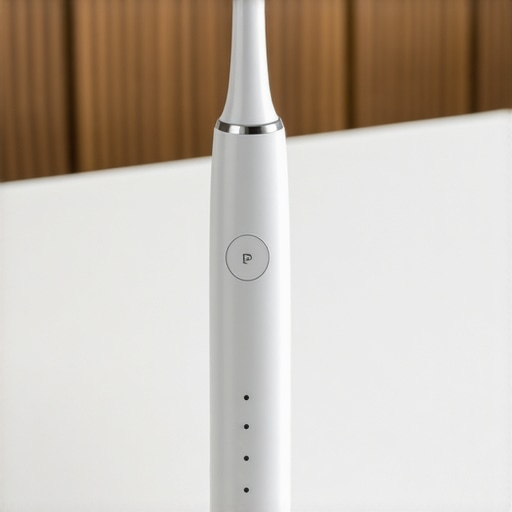
3 Surprising Mistakes That Held Me Back from a Truly Healthy Smile
One of the most valuable lessons I learned was that even simple restorations like crowns or fillings require ongoing attention beyond just the procedure. I once believed that a crown was a permanent fix, but I realized that neglecting daily habits and professional checkups could compromise its lifespan. Staying informed about the nuances of restorative dentistry has empowered me to maintain my smile longer and avoid costly replacements.
Another insight was understanding that not all dental materials are created equal. Some crowns, veneers, or bonding agents can wear out faster if I don’t choose options suited to my habits. Consulting with specialists who understand the latest advancements, like experts in crown placement, made a significant difference for me. It taught me the importance of personalized care and the long-term benefits of quality materials.
I also discovered that regular checkups are my best defense against unexpected issues like microcracks or early signs of wear. Relying on reactive visits only when problems arise isn’t enough; proactive monitoring catches problems early and preserves my restorations. This approach ensures that my restorations, whether crowns or veneers, serve me well for years to come.
Tools That Transformed My Oral Maintenance Routine
Equipping myself with the right tools has been a game-changer. For example, I now use an electric toothbrush with a pressure sensor, such as the Oral-B iO, which prevents me from brushing too hard and damaging my crowns or natural enamel. Additionally, a water flosser like the Waterpik Aquarius helps me clean around crowns and bridges thoroughly, reducing plaque buildup that can cause decay or staining. I trust these tools because they are backed by science and recommended by leading dental professionals.
Another resource I rely on is the Invisalign app. It helps me stay disciplined with aligner wear, ensuring I achieve the best results while protecting my oral health. Combining these tools with regular professional assessments allows me to enjoy a confident smile without worry.
Furthermore, I’ve learned to incorporate gentle rinses like chlorhexidine when needed, especially during courses of restorative work. These additions support gum health and prevent complications, reinforcing that maintenance is an ongoing journey, not a one-time fix.
Take the Step Toward Better Oral Confidence Today
If you’re managing restorations like crowns or veneers, remember that your commitment to routine care and professional guidance is crucial. Small adjustments—like choosing the right toothbrush, avoiding abrasive toothpaste, and scheduling regular evaluations—can significantly extend the life of your dental work. Your smile deserves that level of care and attention. So, why wait? Start implementing these smart habits today and see how they transform your oral health over time.
What’s the one habit you think could make the greatest difference in maintaining your dental restorations? Share your thoughts below—I’d love to hear your experiences!