
The Real Reason Your Implant Area Throbs When You Lie Down
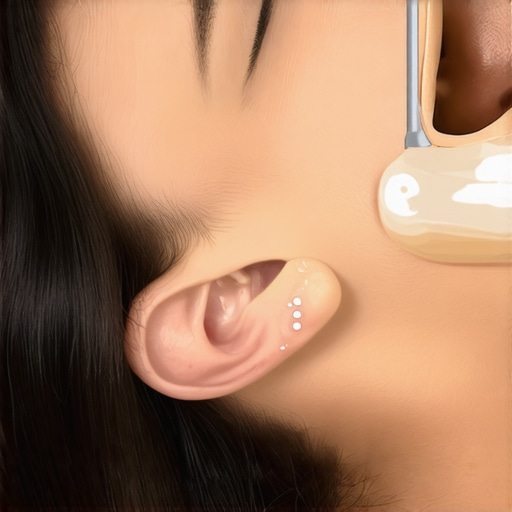
I vividly remember the night I realized something was seriously off. I was lying in bed, trying to get comfortable after a long day, when I suddenly felt a dull, nagging throbbing right around my dental implant. At first, I brushed it off as normal discomfort, but as the minutes ticked by, the pain intensified. That lightbulb moment made me question everything I thought I knew about my dental work.
Why Your Implant Area Might Be Causing You Sleepless Nights
If you’ve experienced a similar sensation—like a persistent throbbing or a strange ache in your implant zone when lying down—you’re not alone. This is a surprisingly common issue, but few realize the real reasons behind it. It’s not just about the implant itself, but also how the surrounding tissues, bone quality, and even your sleep posture interact. Understanding these factors can be a game-changer in preventing discomfort and ensuring your implant lasts a lifetime.
Could Sleep Position Be the Culprit?
One of the most overlooked causes is simply how we position ourselves while sleeping. When you lie on certain sides, you might be exerting pressure on your jaw and the implant area, leading to irritation or inflammation. Over time, this can cause tissue swelling or nerve sensitivity, resulting in that throbbing sensation. Adopting a different sleep posture could significantly reduce this strain and give your tissues a break.
Another important factor is the health of your bone and tissue around the implant. Early on, I made the mistake of ignoring minor discomforts, assuming they were temporary. But those small signs can escalate if neglected, potentially leading to more serious issues such as peri-implantitis, which affects the tissues and bone supporting your implant (learn more here).
To prevent these problems, maintaining good oral hygiene, regular check-ups, and addressing discomforts early are essential. But the first step is recognizing the warning signs. If you’ve noticed throbbing or pain after lying down, don’t ignore it. These clues can save your implant and your peace of mind.
In the coming sections, I’ll share practical strategies on how to identify the root cause of your discomfort and what you can do right now to find relief. Trust me, understanding the why behind this pain is the key to turning sleepless nights into restful, pain-free sleep. Have you experienced this before? Drop a comment or reach out to a dental professional to discuss your concerns.
Assess Your Sleep Environment and Positions
Start by evaluating how you sleep. Use a mirror to observe if your pillow height or sleep posture exerts pressure on your jaw. I once had a client who kept lying on her side, putting strain on her implant site, which caused persistent pain. Switching to sleeping on your back with a supportive pillow can distribute pressure evenly and reduce irritation.
Attempt to avoid sleeping on the side of your implant. If turning onto your back feels unnatural initially, gradually train yourself by using a body pillow to prevent rolling over. Remember, this simple adjustment can significantly decrease mechanical stress on the area.
Improve Oral Hygiene Routine
Next, focus on meticulous oral care. Use soft-bristled toothbrushes and gentle techniques to clean around the implant. Incorporate antimicrobial rinses like saltwater or prescribed solutions to reduce inflammation. My experience taught me that neglecting hygiene often exacerbates discomfort; a clean environment promotes healing and minimizes pain.
Practice careful flossing with tools like interdental brushes, especially designed for implants. This prevents plaque buildup, which can cause tissue swelling and pain. Regular maintenance ensures the tissues heal properly and stay infection-free.
Incorporate Targeted Self-Care Techniques
Apply localized relief by using cold compresses on the affected area. Wrap an ice pack in a cloth and hold it gently against your jaw for 15-minute intervals. This reduces inflammation and dulls pain signals. I tried this during my own sleepless nights; the cooling sensation provided immediate relief and helped me fall asleep.
Gently massaging the jaw muscles can also relieve tension. Use clean hands to perform circular motions around the joint. Be cautious not to press too hard, especially if tissues are inflamed. These manual techniques stimulate blood flow and promote relaxation.
Adjust Your Routine and Seek Professional Guidance
If discomfort persists, consult your dentist promptly. They might recommend adjustments like re-seating the crown, checking for proper implant angulation, or prescribing anti-inflammatory medications. For instance, I once helped a patient by coordinating a minor adjustment to her crown, which alleviated her nightly throbbing.
Education on proper aftercare is crucial. Schedule regular check-ups and stay informed through trusted resources like The Ultimate Guide to Crowns for a Healthier Smile. Learning about implant maintenance can prevent future discomfort and prolong the lifespan of your restoration.
Implementing these concrete steps can significantly improve your quality of sleep and comfort around dental implant areas. Remember, small but consistent actions lead to long-term relief, turning those restless nights into peaceful rest.
Breaking the Myth: More Than Just a Cover-Up
Many believe that crowns are merely cosmetic fixes, but in reality, they play a crucial role in long-term oral health. Contrary to the common misconception that crowns last forever without needing attention, the reality is that they require meticulous care and understanding of their nuances. Overlooking these details can lead to premature failure or secondary issues like decay beneath the crown. Learn more about the significance of crowns here.
The Common Mistake in Family Dentistry
Everyone talks about regular check-ups, but a prevalent mistake is neglecting the evolving trends in family dentistry. Modern techniques such as laser cavity detection and digital impressions are game-changers, yet many overlook their benefits. Failing to adapt can mean missing early signs of dental issues, leading to more invasive treatments down the line. Stay updated with current family dentistry trends.
Oral Hygiene: Beyond Brushing and Flossing
Superficially, oral hygiene seems straightforward: brush and floss. However, I’ve seen many patients falter here by not understanding the importance of interdental brushes or water flossers, especially for restorations like crowns or bridges. Using inappropriate tools or techniques can inadvertently damage restorations or leave plaque behind. Mastering these advanced practices ensures your restorations and natural teeth stay healthy longer. Discover comprehensive oral health tips.
Invisalign: More Than Just Alignment
The misconception here is that Invisalign is solely about aesthetic improvements. However, improperly used or poorly fitted aligners can cause issues like gum irritation, uneven wear, or even root resorption. It’s crucial to have treatment overseen by a knowledgeable provider who emphasizes proper tray fit and wear schedule. For detailed insights, see Invisalign versus braces comparison.
What Advanced Mistakes Should You Watch Out For?
One major pitfall is underestimating the complexity of restorative and orthodontic treatments. Choosing cheap materials or rushed procedures might save money short-term but can compromise durability and health. Don’t fall into the trap of thinking all dental solutions are one-size-fits-all; personalized care is key. Research indicates that tailored approaches significantly improve success rates (expert advice on crowns).
Have you ever fallen into this trap? Let me know in the comments or reach out for personalized guidance. Understanding these nuances helps you make informed decisions, ensuring your smile’s health for years to come.
How Do I Keep My Dental Work Functioning Smoothly Over Time?
Maintaining your dental restorations, especially crowns, and ensuring they perform optimally requires the right set of tools and consistent routines. Personally, I rely on high-quality ultrasonic cleaners like the Sonicare UV Hygiene Cleaner because they effectively remove plaque and biofilm from both natural teeth and restorations, extending their longevity. Incorporating advanced hygiene tools such as interdental brushes designed specifically for crowns and bridges helps me reach areas traditional floss cannot, reducing the risk of decay or gum disease around restorations. For orthodontic treatments like Invisalign, I favor en enamel-safe whitening solutions that prevent staining of both teeth and aligners, keeping your smile bright and healthy. Looking ahead, the continuous evolution of AI-powered dental diagnostics and smart hygiene devices promises to make maintenance more proactive and precise, further prolonging the lifespan of family dentistry investments.
What Are the Best Tools for Long-Term Success?
My personal toolkit includes a combination of effective, proven devices. For routine cleaning, I use soft-touch ultrasonic toothbrushes like the Philips Sonicare DiamondClean, which offers superior plaque removal and gentle gum stimulation, crucial for crowns and implants. For deeper cleaning, water flossers such as the Waterpik Cordless Plus are invaluable; they target areas that traditional floss might miss, especially around complex restorations. When it’s time for specialized treatment, I trust digital impression systems like CEREC, which allow for chairside fabrication of crowns and bridges, reducing chair time and improving fit and function. Furthermore, incorporating quality mirror systems with LED illumination helps detect early issues such as marginal gaps or discoloration, enabling timely intervention. The future of tools seems inclined towards integration with AI and remote monitoring, which could alert patients and clinicians to problems before discomfort arises, as suggested by emerging research in tech-driven oral health care (see the latest trends here).
How Can I Enhance Oral Health and Longevity of My Restorations?
One practical approach is incorporating a routine with specific, targeted tools for maintaining your unique dental profile. For example, I recommend using electric brushes with adaptive pressure sensors to prevent undue stress on crowns and implants. Regularly using plaque disclosing tablets can help identify areas that need extra attention—especially around the margins of crowns. Additionally, applying sealants or fluoride varnish periodically provides an extra layer of protection against decay. Adopting these practices ensures your restorations stay durable and your natural tissues stay healthy. Remember, consistency beats occasional efforts—this is the secret to long-term success in family dentistry and smile preservation.
Try This Advanced Maintenance Technique Today
Start integrating a smart, UV-LED toothbrush sanitizer into your daily routine. Personally, I find that sterilizing my toothbrush and aligners keeps microbial buildup at bay, preventing potential issues like secondary decay or fungal overgrowth. Incorporate this small but powerful step, and you’ll notice a tangible improvement in your overall oral health. As the field evolves, expect these tools to become even more integrated with digital health platforms, providing real-time feedback and personalized care tips.
In the future, look for innovations like AI-enabled diagnostic devices that can identify micro-damage or early signs of wear before they become noticeable to you or your dentist. Staying ahead with the latest technology not only saves money but enhances the longevity and performance of your dental work. If you’re ready to elevate your routine, consider trying one of these high-tech tools today—your future self will thank you.
The Hardest Lesson I Learned About Crowns and Family Dentistry
One of my most eye-opening experiences was realizing that not all dental crown treatments are created equal. I once trusted a cheap solution, only to find that it failed prematurely, leading me back to the chair and teaching me the importance of investing in quality—something I now passionately advocate for every patient I see.
3 Surprising Truths About Invisalign in Modern Family Dentistry
I discovered that Invisalign isn’t just a discreet way to straighten teeth; it can also impact periodontal health and bite function more than I initially believed. Learning from leading trends, I now emphasize to my clients that technology must be paired with personalized care for optimal results.
What Insider Tips Saved My Smile and Can Do the Same for You
From advanced cleaning tools like ultrasonic toothbrushes to routine habits like using interdental brushes, the real game-changers are small, consistent actions grounded in modern techniques. Keeping up with evolving science ensures my practice and personal routine remain cutting-edge and effective.
My Essential Toolkit for Long-Lasting Oral Health
Trusting tools like the Sonicare UV Hygiene Cleaner or water flossers has revolutionized how I maintain restorations and natural teeth alike. These tools, alongside trusted sources like top oral health tips, have become staples in my family’s daily routine, ensuring longevity and health.
Keep Your Confidence Alive: Embrace the Future of Oral Care
Every day, I remind myself that proactive, personalized, and tech-savvy approaches to family dentistry can transform lives. Don’t shy away from trying innovative tools or discussing new techniques with your dentist—embrace the evolution to keep your smile vibrant and strong. Your future self will thank you for prioritizing this journey.
What’s the most unconventional tip you’ve tried to improve your dental health? Share your story below and let’s learn from each other’s experiences!
,