
The Real Reason Your Invisalign Lisp Won’t Go Away
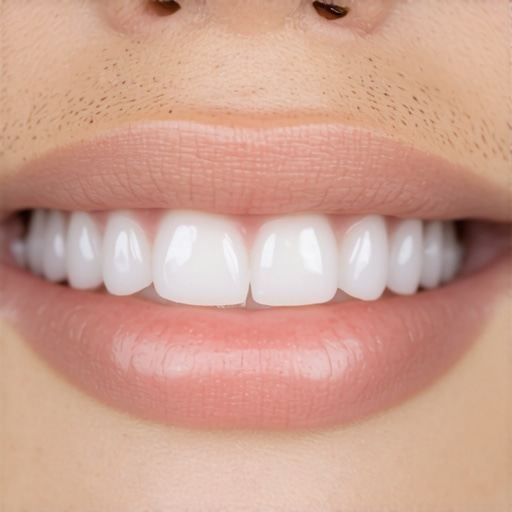
It was a morning like any other, flossing before work, when I caught a strange feeling in my reflection. My speech sounded off, a faint lisp lingering long after the braces-and-aligners phase. Frustration crept in. I had followed every step, worn my aligners diligently, and still, that awkward whistle persisted. Ever felt that way? That nagging voice in your head questioning if this minor speech slip-up will ever vanish? Well, you’re not alone.
Why Your Invisalign Lisp Might Be Here to Stay—and What You Can Do About It
Many folks assume that once their Invisalign treatment is done, the speech issues will automatically correct themselves. But reality often bites differently. A common cause for a lingering lisp is related to how your tongue and mouth muscles adapt—or fail to adapt—after orthodontic adjustments. Essentially, your oral muscles might need a little extra training and reassurance.
Early in my journey, I made the mistake of believing that wearing aligners was enough. I didn’t prioritize speech exercises or pay close attention to tongue positioning. That oversight prolonged my lisp unnecessarily. Trust me, I learned the hard way that small tweaks can make a significant difference.
Did you know? According to the American Dental Association, speech adjustments after orthodontic work can take weeks or even months to fully normalize, especially if targeted exercises aren’t incorporated into your routine (source: ADA on Post-Orthodontic Care).
In the sections ahead, I’ll share practical, proven strategies to help you overcome that stubborn lisp and regain your confident speech. If this sounds familiar, keep reading. You’re about to learn how to turn your dental effort into a complete oral harmony.
Start with Mindful Tongue Placement
Apply the analogy of a camera autofocus system—just as you tweak a lens to sharpen an image, adjusting tongue position fine-tunes your speech. Place your tongue gently behind your upper front teeth when pronouncing sibilant sounds like s and z. During my first attempt, I practiced in front of a mirror, slowly repositioning my tongue until I noticed a clearer pronunciation. Be patient; small, consistent adjustments lead to noticeable improvements.
Engage in Daily Speech Exercises
Think of speech exercises as regular workouts for your oral muscles. Repetition builds muscle memory—like practicing scales on a piano. Start with simple sounds, repeating words such as ‘sun,’ ‘zip,’ and ‘see’ slowly, emphasizing precise tongue placement. For example, I dedicated five minutes each morning to articulate these sounds deliberately, which gradually reduced my whistle’s intensity.
Incorporate Controlled Breathing Techniques
Proper breath control is the foundation of clear speech, similar to maintaining steady engine RPMs in a car to prevent stalling. Take deep, diaphragmatic breaths before speaking, ensuring a calm, steady airflow. During my own journey, I practiced inhaling slowly through the nose, then exhaling while enunciating, which minimized breathiness and improved clarity. Consistent breathing not only supports speech but also reduces anxiety that can exacerbate speech issues.
Utilize Visual and Tactile Feedback Methods
Visual cues, like watching your mouth in a mirror, are akin to a pilot checking cockpit instruments—vital for ensuring proper navigation. Place your fingers lightly on your lips or tongue to feel the correct positioning. Recording your voice allows you to listen back for signs of improvement or areas needing adjustment. I used a smartphone to record myself, which revealed subtle mispronunciations I hadn’t noticed during practice, guiding my focus towards specific movements.
Practice in Real-Life Contexts
Simulate conversations to embed these techniques into daily life, like rehearsing lines before a stage performance. Start with reading aloud from a book, then progress to speaking with friends or family. In one instance, I asked my spouse to give me feedback after a casual chat, which provided encouragement and practical pointers. The goal is to make speech clarity a natural habit, seamlessly reintegrating into your social interactions.
Seek Professional Guidance
If progress stalls, consider consulting a speech therapist or your dentist specializing in family dentistry, who can offer tailored exercises. They might suggest specific oral motor exercises or appliances designed to support speech recovery. Visiting family dental clinic ensures expert oversight, making your efforts more effective and reducing frustration. Remember, professional input can be the key to overcoming stubborn lisp issues caused by orthodontic treatments.
 When it comes to dental care, many assume they understand the basics, but the truth is, there’s often a deeper layer of nuance that gets overlooked. For example, with dental crowns, common myths suggest that once the crown is placed, it will last forever with minimal maintenance. In reality, the long-term success of a crown depends heavily on proper fit, bonding techniques, and patient-specific factors such as occlusion and oral hygiene habits. Neglecting these can lead to premature failure, frustrations, and added costs.
Invisalign is widely believed to be a hassle-free alternative to traditional braces, but many miss the critical aspect of compliance and customization. The system’s effectiveness hinges on consistent wear, precise attachment placement, and addressing unique bite issues. Advanced patients know that the subtle adjustments made during Invisalign treatment require ongoing monitoring and sometimes auxiliary procedures—it’s not just about changing trays.
Family dentistry often gets stereotyped as just routine check-ups, but an overlooked facet is the importance of personalized care strategies across various age groups. For instance, younger children need preventive guidance tailored to their developmental stage, while seniors may require interventions to combat dry mouth or aging-related periodontal issues. Missing these nuances can jeopardize the overall health outcome.
Regarding oral health itself, many people focus solely on brushing and flossing, neglecting underlying factors like diet, saliva composition, or genetic predispositions. A common mistake is assuming that good brushing alone prevents cavities or gum disease. However, recent studies highlight that microbiome balance plays a vital role—disruptions here can lead to persistent issues despite good hygiene practices.
Why do strong enamel and healthy gums sometimes fail to prevent dental problems?
This contradiction often puzzles patients who maintain diligent oral care yet face recurrent issues. Experts point to systemic factors such as immune response, nutritional deficiencies, or the presence of resistant bacterial strains that can bypass surface defenses. Recognizing these hidden contributors is essential. For example, integrating dietary assessments or saliva analysis into routine check-ups can offer insights beyond visual inspection. According to the Journal of Clinical Periodontology, addressing systemic health is increasingly recognized as a cornerstone of comprehensive oral care (source).
Another subtle trap many fall into is underestimating the impact of minor misalignments or uneven bite forces, which can lead to accelerated wear or fractures in crowns and restorations. Investing in occlusal adjustments or nightguards might seem unnecessary initially, but their long-term benefits ensure durability and patient comfort.
In essence, the everyday assumption that dental procedures are purely mechanical or cosmetic often overlooks the intricate interplay of biological, systemic, and behavioral factors. The more you understand these hidden nuances, the better you can advocate for personalized, effective care. If you’ve ever fallen into this trap or want to share your experiences, let me know in the comments!
For tailored advice or to assess your specific dental needs, consider reaching out to expert family dentists who prioritize comprehensive care. Visit here to schedule an appointment and start your journey towards a healthier smile.Maintaining your dental work and orthodontic appliances requires more than just good oral hygiene; it demands precision tools and consistent routines. For crowns, I rely on advanced curing lights like the Bluephase G4, which ensures thorough polymerization of resin composites, increasing longevity. This lamp’s dual wavelength and high comfort level enable me to achieve consistent, durable results with minimal chair time. When it comes to Invisalign, digital treatment planning software like ClinCheck allows me to visualize outcomes with pinpoint accuracy, enabling precise adjustments and managing patient expectations more effectively.
For long-term success, I recommend using a high-quality ultrasonic scaler such as the Sonicare Power Floss, which veterans like myself have found essential for interdental cleaning, especially around crowns and aligners. Regular use helps prevent plaque buildup that can compromise restorations or cause gingivitis. Additionally, maintaining your aligners with a dedicated cleaning solution like Invisalign’s Cleaning Crystals keeps trays clear and bacteria-free, which is vital for treatment progress.
Looking ahead, I predict that the integration of AI-driven diagnostics and 3D printing will further personalize and streamline maintenance routines, minimizing chairside adjustments and troubleshooting. These innovations will empower patients to take control of their oral health at home, reducing unnecessary visits.
How do I maintain crowns, Invisalign, and family dentistry routines over time?
Consistency is key. Regularly scheduled professional check-ups ensure that crowns are well-fitted and that your bite remains balanced. I advise my patients to adopt a daily habit of meticulous cleaning with tools like water flossers—such as the Waterpik Ultra—especially for those with crowns or braces, to reach difficult areas. Incorporating a smartphone app that reminds you to brush twice daily and floss can help embed these routines into your lifestyle.
Furthermore, using a mirror to check your work during self-care routines enhances awareness. For example, I recommend visual inspections after cleaning to identify early signs of wear or damage. For Invisalign wearers, I suggest maintaining a strict schedule and replacing trays promptly; delays can hinder progress or cause discomfort. To support long-term results, consider integrating a comprehensive oral health tracking app, which over time can help you identify patterns and areas for improvement.
If you’re serious about taking your maintenance to the next level, I encourage trying advanced tools like the Sonicare Power Floss and leveraging technology for routine monitoring. Scheduling regular professional evaluations at your family dentist ensures that issues are caught early and addressed before they escalate. Remember, proactive maintenance can extend the lifespan of your dental restorations and keep your smile radiantly healthy.”,
The Hardest Lesson I Learned About crowns,invisalign,family dentistry,oral health
One of the most eye-opening lessons I discovered is that orthodontic and restorative treatments are as much about the mind as they are about the mouth. I used to believe that once my Invisalign journey was complete, my speech would instantly normalize. But I soon realized that patience, consistent practice, and understanding my body’s responses are key. This experience taught me that achieving a confident, natural smile requires holistic attention—not just the dental work itself.
3 Myths About crowns,invisalign,family dentistry,oral health That Held Me Back
During my early days, I bought into myths like “Crowns last forever without maintenance,” or “Invisalign is a quick fix with no commitment.” These misconceptions stalled my progress and led to avoidable setbacks. Dispelling these myths helped me approach my oral health with the respect and diligence it deserves. I now know that personalized care, proper tools, and ongoing check-ins are essential for long-lasting results.
What Experts Won’t Tell You About crowns,invisalign,family dentistry,oral health
Many clinicians understand the technical side, but what often remains unspoken are the nuances that truly make a difference. For example, systemic health factors, diet, and daily routines profoundly influence the longevity of crowns and aligners. Learning from seasoned professionals illuminated how integrating comprehensive health strategies enhances both oral health and overall well-being, something I wish I had prioritized earlier.
My Essential Toolkit for crowns,invisalign,family dentistry
Over the years, I’ve curated a set of tools that keep my smile in top shape. Quality cleaning devices like the Waterpik Ultra and advanced whitening trays have made a big difference. I trust reputable resources like Family Dentist Pro’s oral health tips because they emphasize evidence-based practices. These tools empower me to maintain my dental work between appointments effectively.
Where to Go from Here
If you’re eager to elevate your dental health and confidence, start by visiting a professional who understands your unique needs. Regular check-ups, personalized advice, and proper tools can transform your experience. Remember, your smile is a reflection of more than teeth—it’s a testament to your overall health and self-care journey.
Embrace Your Dental Journey Today
Achieving a radiant, confident smile after Invisalign and crowns is within your reach. Every step—no matter how small—builds toward the big picture: a healthier, happier you. Keep learning, stay consistent, and don’t shy away from seeking professional guidance. Your future smile will thank you for it.