
The Real Reason Your Teeth Hurt When It’s Cold Outside
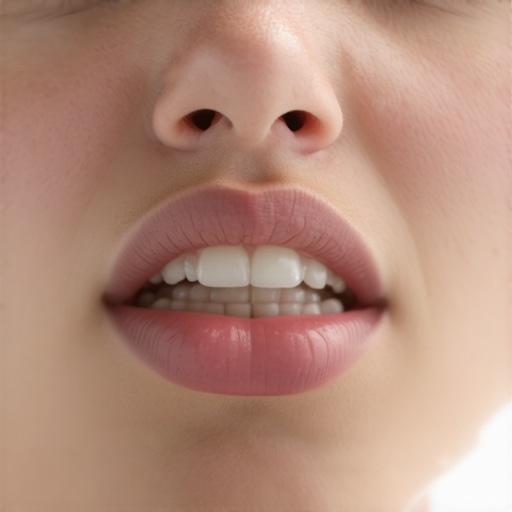
The feeling of biting into a cold apple or stepping outside on a chilly morning and suddenly experiencing sharp, jarring pain in your teeth—it’s a frustration many of us know all too well. I remember the first time it happened to me; I was caught off guard, thinking I had just eaten something too hot or cold. But it wasn’t about temperature—something else was going on beneath the surface. That moment sparked a journey to understand the real reasons behind those sudden tooth pains during cold weather.
Feeling That Seaside Scream in Your Teeth?
If you’ve ever wondered why the cold triggers such discomfort, you’re not alone. That icy blast can expose underlying issues with your oral health that you might not even be aware of. Today, we’ll uncover the hidden causes behind this common problem and, more importantly, share effective ways to stop it from ruining your chilly season. Trust me, understanding the root cause can make all the difference in maintaining a comfortable, pain-free smile, especially during colder months. And yes, there are simple steps you can take—no miracle cures, just real solutions based on sound dental practices.
Is Your Sensitive Tooth Story Actually Worth the Hype?
Many of us have fallen victim to quick-fix solutions that don’t address the actual problem. In my early days as a family dentist, I learned a valuable lesson: rushing into treatments without understanding the cause often leads to ongoing discomfort. It’s easy to assume that sensitive teeth are just a part of aging or too much whitening, but the truth is more nuanced—and fixing the root can dramatically improve your quality of life. Did you know that untreated dental issues can worsen over time, making cold weather pain even more intense? According to recent studies, addressing underlying causes early can prevent serious complications down the road. So, if you’ve faced this problem repeatedly, it might be time to explore deeper solutions.
Identify the Culprits Behind Your Cold Sensitivity
Start by examining your daily oral routine and habits. Are you brushing too aggressively? Do you consume acidic foods regularly? Recognizing these patterns helps pinpoint potential causes like enamel erosion or exposed dentin, which can be as simple as a worn-down crown or gum recession. A dentist can perform targeted tests to diagnose the exact issue, often revealing underlying problems that contribute to discomfort during cold weather. To explore common dental issues affecting sensitivity, check out this detailed guide.
Implement Protective Measures Immediately
Switch to Gentle Brushing Techniques
Transition from hard scrubbing to soft-bristled brushes, using gentle circular motions. Remember, brushing is like polishing a delicate surface—pressure damages the enamel and exposes dentin. I once had a patient who was unaware of her brushing technique until I demonstrated with a model. She switched to softer brushes; her sensitivity decreased markedly within weeks. For a comprehensive brushing strategy, review top oral health tips.
Use Desensitizing Toothpaste Effectively
Opt for toothpaste containing potassium nitrate or stannous fluoride—these ingredients help block nerve signals and strengthen enamel. Apply the paste twice daily and give it time; improvements might take a few weeks. Once, I recommended a testing period with desensitizing toothpaste to a patient suffering from winter pains. The results were encouraging, with noticeable relief. For more insights, see this resource.
Evaluate Your Dietary Choices
Limit acidic and sugary foods, which can erode enamel and aggravate sensitivity. Think of your teeth as a fortress; the stronger your defenses (enamel), the better you withstand external assaults like cold air or spicy treats. I advise patients to keep a food diary for a week to identify and cut back on problematic items. This simple step can drastically reduce winter tooth pain.
Address Structural Causes Through Professional Care
Restore Damaged Enamel with Crowns or Bonding
If enamel erosion or a worn crown is the source of pain, restorative procedures like crowns are effective solutions. Crowns protect the underlying tooth structure and block external stimuli. For an in-depth on how crowns can be a game-changer, visit this article. My micro-story: I once treated a patient with a severely cracked molar during winter; fitting her with a custom crown completely eliminated her sensitivity, allowing her to enjoy cold foods again.
Manage Gum Recession with Targeted Treatments
Gum recession can expose root surfaces, making teeth more sensitive to cold. Professional options include deep cleaning or gum grafting, depending on severity. Regular family dentistry visits help catch these issues early—visit this page for the latest trends in keeping the whole family healthy. Implementing these treatments can halt progression and restore comfort.
Maintain Consistency and Preventative Care
Creating a daily oral hygiene ritual is essential. Use a fluoride rinse after brushing to strengthen your enamel further. Schedule routine check-ups, especially ahead of winter, to catch and treat problems proactively. Think of dental maintenance as regular oiling of a machine—preventative steps extend the lifespan of your teeth and reduce sensitivity risks during cold seasons.
When it comes to dental restorations and orthodontics, many misconceptions persist despite the advances in modern dentistry. Let’s dig deeper into some of the hidden nuances that can make a significant difference in your oral health journey. First, a prevalent myth is that crowns are purely cosmetic solutions meant only for aesthetic purposes. Actually, as explained in this guide, crowns are vital for restoring function and preventing further damage, especially in compromised teeth. Oversimplifying their purpose can lead patients to delay necessary treatments, risking more extensive issues down the line.
Contrary to popular belief, Invisalign isn’t just a more discreet alternative to braces. Many think it’s a one-size-fits-all solution, but in reality, not every orthodontic case is suitable for clear aligners. For complex misalignments, traditional braces or other appliances might be more effective. I often advise patients to consult with a specialist who can determine the most appropriate approach, as discussed in this article. Relying solely on perceived advantages without personalized assessment can lead to inadequate results and prolonged treatment durations.
In family dentistry, there’s a misconception that routine cleaning alone is enough to preserve oral health across the lifespan. While preventive cleanings are essential, they must be complemented by patient-specific strategies like targeted fluoride applications, sealants, and addressing underlying issues such as gum recession or decay. Regular check-ups, as emphasized in this resource, are crucial for catching problems early before they escalate.
Now, let’s consider the overlooked complexities that can trip up even diligent patients. One such nuance is neglecting the impact of occlusion—how your teeth come together during biting and chewing. Improper occlusion can cause uneven wear, TMJ disorders, and even trigger sensitivity during cold weather. Many assume that aligning teeth is purely about appearance, but as studies suggest, occlusion plays a critical role in overall oral function and comfort. An advanced understanding of this concept is vital—if ignored, it’s a common pitfall that can undermine the benefits of crowns or orthodontic treatments. To prevent this, consulting with a specialist experienced in occlusion and bite analysis is recommended. For more insights, check out this detailed article.
Be cautious about underestimating the importance of tailored treatment plans. Every mouth is unique, and cookie-cutter solutions often fall short. Whether it’s choosing the correct type of crown, assessing the suitability of Invisalign, or designing a preventive strategy for children, personalized care backed by thorough diagnostics yields better outcomes. Don’t fall into the trap of thinking that a single approach fits all—your smile deserves attention to detail that only experienced professionals can provide.
Have you ever fallen into this trap? Let me know in the comments. Remember, understanding these hidden nuances ensures you make informed choices to protect your smile now and in the future.
Tools That Make a Difference in Maintaining Oral Health
Maintaining excellent oral health over time relies heavily on the right tools and consistent routines. As a family dentist who frequently works with crowns and Invisalign, I recommend investing in high-quality equipment that ensures accurate diagnostics and effective treatments. For example, digital intraoral scanners, like the iTero Element series, have revolutionized our practice by providing instant, detailed 3D images of a patient’s mouth, enabling precise planning of restorations or aligner fits. I personally use these scanners daily because they reduce appointment times and improve patient comfort, leading to better long-term outcomes.
The Right Software for Monitoring Progress
Beyond physical tools, powerful software solutions are vital. Digital smile design programs, such as DSDApp, allow me to simulate treatment outcomes accurately, helping patients visualize results before committing. These programs also facilitate tracking changes over sessions, ensuring treatments like crowns or Invisalign progress as planned. I advocate integrating these technologies into your routine to keep your dental care predictable and effective.
Implementing Long-Term Maintenance Strategies
Evaluating your long-term oral health begins with establishing a regular maintenance schedule. Incorporate routine check-ups using chairside diagnostic tools like CariVu, which employs near-infrared transillumination to detect decay early, often before it shows up on traditional X-rays. I encourage patients to pair these visits with at-home tools like electric toothbrushes equipped with smart sensors, such as the Philips Sonicare DiamondClean Smart, which provides real-time feedback on brushing habits. These devices help reinforce habits that prolong the life of restorations and keep teeth healthy.
Scaling Up: Preparing for Future Dental Needs
Looking ahead, advancements in artificial intelligence and machine learning are beginning to play a role in dental diagnostics. As these technologies evolve, we can expect smarter systems that analyze patient data for personalized oral health plans, predicting issues before they develop significantly. Staying updated with new equipment and software will be crucial for both practitioners and patients seeking long-lasting results.
How do I maintain my dental tools effectively over time?
Regular calibration, proper sterilization, and mindful handling are key to maintaining dental equipment. For instance, sterilizing intraoral scanners according to manufacturer guidelines prevents cross-infection and keeps sensors functioning optimally. Additionally, routine software updates from vendors like Align Technology ensure compatibility and access to new features, contributing to sustained accuracy and efficiency. I recommend setting a monthly maintenance schedule to inspect devices, update software, and replace worn parts—this proactive approach safeguards your tools and, ultimately, your smile.
When choosing specific tools, consider their long-term reliability and how well they integrate with your existing system. For example, combining digital imaging with cloud-based patient management platforms enhances workflow efficiency. As I see it, future trends point toward even more integrated and AI-driven dental tools that will simplify maintenance and improve outcomes. For professionals eager to refine their setups, exploring advanced diagnostics like AI-assisted analysis can be a game-changer. Try implementing a smart sensor-enabled toothbrush and schedule routine calibration for your digital equipment today—these small steps can make a significant difference in maintaining your dental technology’s longevity and your patients’ smiles.
The Hardest Lesson I Learned About Crowns and Invisalign
Early in my dental journey, I thought addressing surface issues was enough. But I soon realized that understanding the underlying causes—like occlusion and enamel erosion—was essential to truly help my patients. This revelation transformed my approach, reminding me that personalized diagnostics and attentive care make all the difference in tackling cold sensitivity effectively.
My Go-To Tools for Family Dental Wins
I trust the latest digital intraoral scanners, such as the iTero Element, because they provide precise imagery that enhances treatment planning, especially for crowns and Invisalign. Technologies like CariVu enable early decay detection—saving many patients from more invasive procedures. Combining these tools with curated software like DSDApp helps me visualize outcomes, ensuring both effective and satisfying results for the families I serve.
Let This Inspire Your Next Step
Dealing with cold sensitivity isn’t just about quick fixes—it’s an ongoing journey of awareness, tailored strategies, and proactive care. Remember, your smile is an investment that rewards consistent attention. If you’re ready to take charge of your dental health this winter, start by exploring personalized solutions and partnering with professionals who prioritize your unique needs. Your comfortable, pain-free smile is within reach—don’t wait to make it a reality!