
The reason your crown feels bulky on the side of your tongue
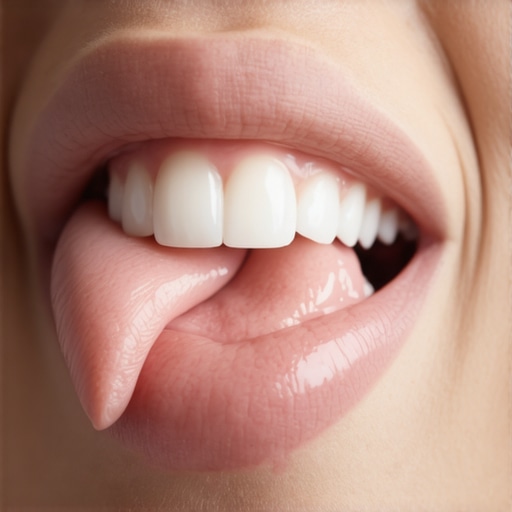
One evening, I caught myself instinctively pressing my tongue against the side of my mouth and realizing something was off. It wasn’t pain or sensitivity — it was that strange, bulky sensation where my crown sits. At first, I thought maybe I’d just misaligned my bite or perhaps my tongue was overreacting. But as days went on, I couldn’t ignore it. That odd feeling of a lump or bump against my tongue became an unwelcome fixture, distracting me during conversations and messing with my confidence.
Dealing with a Bulky Crown: Why It Happens and What You Can Do
If you’ve ever experienced a similar sensation after getting a dental crown, you know how unsettling it can be. It’s a common issue that many patients face, often misunderstood or overlooked. I discovered that the root causes can vary—from minor misalignments to inner edge overlaps. The good news is, most of these problems are fixable when approached correctly and promptly. In this post, I’ll walk you through the reasons behind that bulky feeling on your tongue and how to effectively address it, drawing from my own experience and trusted dental insights.
Is Your Crown Worth the Hype?
Early on, I made the mistake of ignoring the problem, thinking it would resolve on its own. That only made things worse. As I learned, rushing into adjustments without proper consultation can lead to more discomfort or even damage. It’s crucial to seek guidance from your dentist, especially if your crown feels bulky or uneven. And don’t worry—most issues are manageable, especially when caught early. If you’re curious about how modern crown techniques can resolve such issues efficiently, I recommend exploring expert advice on choosing the right crown.
So, if that bulky side of your crown is bothering you, keep reading. I’ll share practical steps to help you regain comfort and confidence in your smile, backed by real-life lessons and professional wisdom.
Assess Your Crown’s Fit and Feel
Start by examining how your crown interacts with your bite. If it feels uneven or bulky on one side, gently bite down and check for differences. Remember, a crown should sit flush with your natural teeth. I once noticed mine felt high when I bit down, prompting a quick self-assessment that led me to schedule a visit.
Check for Visible Gaps or Edges
Look for any overhanging edges or gaps between your crown and adjacent teeth. These imperfections can cause the bulky sensation. During my own check, I noticed a tiny edge overlapping; this small detail, when addressed, made a significant difference.
Consult Your Dentist Promptly
Never attempt to modify your crown yourself—this can lead to damage or discomfort. Instead, book an appointment with your dentist. They can evaluate whether the crown is misaligned, loose, or if it needs marginal adjustments. I learned this the hard way after trying to smooth my crown at home, which only made things worse. Trusting professionals ensures proper fit and longevity.
Prepare for Your Appointment
Before visiting, note when the bulky feeling started, how it affects your daily functions, and any accompanying symptoms like sensitivity or pain. This information helps your dentist make an accurate assessment. I found keeping a short log facilitated a quicker diagnosis and more effective treatment plan.
Underlying Causes and How to Address Them
The main causes of a bulky crown include misalignment during placement, slight overhangs, or wear over time. Your dentist might perform a minor re-bite adjustment, replace or reshape the crown, or recommend further procedures. For example, in my case, a simple smoothing of the marginal edge restored comfort. Additionally, choosing an experienced family dentist can streamline this process, as they understand the nuances of crown fitting and maintenance. For insights on selecting the right professional, check out this guide on choosing a crown specialist.
Post-Adjustment Care
After adjustments, follow your dentist’s instructions carefully. Stick to soft foods initially to avoid disturbing the new fit. Keep up with good oral hygiene habits to prevent plaque buildup around the crown margin. Regular dental check-ups are essential to monitor and maintain the crown’s integrity, ensuring it remains comfortable and functional for years to come.
Invest in Better Crown Placement
Modern crown techniques, such as CAD/CAM milling and digital impressions, greatly enhance fit accuracy. If your current crown continues to give trouble, discuss options for a new, better-fitting restoration. An experienced family dentist can offer these advanced solutions, helping you avoid future bulky sensations and improve overall oral health. Exploring the latest crown innovations can provide additional benefits.
Long-Term Maintenance and Awareness
Monitor how your crown feels over time. If you notice recurring discomfort or changes, revisit your dentist promptly. Regular cleanings and check-ups prevent minor issues from escalating. Remember, maintaining your crown is an investment in your oral health and self-confidence—addressing a bulky crown now can save you from more complex, costly fixes later.Many patients assume that getting a dental crown is a straightforward fix, but the reality is more nuanced. A common myth is that crowns are permanent and require no further attention once placed. In fact, modern crowns demand ongoing maintenance and precise fitting to avoid uncomfortable sensations or early failure. Another misconception is that a perfect-looking crown means it’s functionally ideal; aesthetic appeal doesn’t always equate to optimal oral health. Advanced techniques like digital impressions and CAD/CAM manufacturing improve fit, but only if the dentist uses them correctly—and many underestimate the importance of occlusal harmony for long-term success.
A less obvious mistake many make involves neglecting the subtle signs of crown misfit or wear, which can lead to complications like landings for plaque buildup or even tooth decay beneath the crown. Regular check-ups are essential, yet a surprising number of patients delay visits until discomfort arises. This oversight overlooks that early detection of issues such as micro-cracks or marginal leakage can save time and money down the line.
When it comes to the broader scope of oral health, many believe that crowns are a standalone solution. However, comprehensive dental care integrates crowns into a larger picture—preventing issues like gum recession or misalignment that can undermine restoration longevity. Family dentistry practices nowadays combine traditional principles with innovative approaches, emphasizing preventive care alongside restorative procedures. For instance, integrating modern family dentistry techniques ensures that crowns fit not just anatomically but also functionally within your overall oral ecosystem.
Finally, advanced options like Invisalign can complement crowns, especially for patients striving for alignment without compromising existing restorations. Recognizing these nuances can prevent many pitfalls early and extend the lifespan of your dental investments. Have you ever fallen into this trap? Let me know in the comments.Maintaining the longevity and functionality of your dental crowns and restorations requires not only regular professional care but also the right tools and personal habits. From high-quality cleaning devices to digital tracking methods, the right approach makes all the difference in ensuring your oral healthcare investment pays off over the long term.
How do I maintain my dental restorations over time?
One of my preferred tools for daily upkeep is the SonicSmile Ultrasonic Tooth Cleaner. I personally find that its gentle yet effective vibrations help remove plaque and debris from hard-to-reach areas around crowns, especially in the posterior regions. Unlike manual brushing, an ultrasonic device like this can reach beneath the gumline and around the margins of crowns, reducing the risk of decay at the edges and extending the life of your restorations. I recommend using it twice daily, coupled with a good fluoride toothpaste, to keep everything in pristine condition.
For the best results, I also incorporate interdental brushes like the TePe Soft Pick or GUM Soft Picks. These are incredibly handy for cleaning under crowns, bridges, and around orthodontic attachments, preventing plaque buildup that could compromise your restoration. I choose models with ultra-soft bristles to avoid damaging delicate gum tissues or the porcelain surface of crowns. Incorporating these tools into your routine can be transformative for long-term oral health.
Beyond tools, I use digital tracking apps such as Dental Monitoring to keep tabs on the condition of my dental work. Through regular photo submissions, my dentist can spot early signs of issues like marginal gaps or wear, alerting me before discomfort arises. This proactive approach allows me to schedule timely visits for check-ups or adjustments, saving me from costly repairs later on. As technology advances, I expect remote monitoring to become even more integral in maintaining dental health.
Predicting where the trend is headed
Looking ahead, I believe the integration of artificial intelligence will further personalize dental maintenance. AI-driven apps could analyze images of your restorations over time to predict deterioration patterns, suggesting preemptive interventions even before visual or tactile signs appear. This shift toward preventative care will empower patients and practitioners alike, ensuring crowns and other restorations serve their purpose longer and more reliably.
If you haven’t already, I strongly encourage trying out an ultrasonic cleaning device combined with interdental brushes. This combo has significantly improved my oral health and the lifespan of my crowns. Remember, consistent maintenance paired with modern tools is key to long-term success. For more insights on family dentistry and innovative oral health strategies, check out these tips on modern techniques.
Thinking Back on My Crown Chronicles
One of the most eye-opening lessons I learned was that perfection in dental restorations is a myth worth chasing. I initially believed that once my crown was in place, my worries would vanish. But I realized that ongoing care, patience, and understanding of how crowns integrate with overall oral health are essential. My biggest lightbulb moment: a tiny misalignment can cause disproportionate discomfort, reminding me that attention to detail makes all the difference. Embracing modern technology and expert advice transformed my approach, saving me from future complications and fostering a genuine confidence in my smile.
My Secret Arsenal for Dental Success
Over the years, I’ve curated a collection of tools and resources that continually support my oral health. A reliable sonic toothbrush and ultrasonic cleaner stand out as game-changers in maintaining crown longevity. I trust advanced family dentistry techniques because they blend innovation with proven results. For deep insights, I turn to trusted books like “The Ultimate Guide to Crowns for a Healthier Smile”—it’s an eye-opener for understanding how proper restoration care extends far beyond the dental office. Lastly, digital apps such as Dental Monitoring give me peace of mind, allowing proactive management of my dental work from home.
Inspire Your Next Step Toward a Brighter Smile
Your journey to healthier, happier teeth is ongoing, and every small action counts. By implementing personalized care routines, embracing innovative tools, and seeking expert guidance, you’re investing in a future where dental discomfort becomes a distant memory. Remember, your smile is a reflection of your confidence and well-being—worthy of continual attention. Don’t wait for issues to escalate; proactive care today fuels a radiant smile tomorrow. Are you ready to take that next step toward optimal oral health? Let me know in the comments below and share your experiences or questions about crowns, family dentistry, or Invisalign advancements.