
The reason your dental bridge traps seeds every time you eat
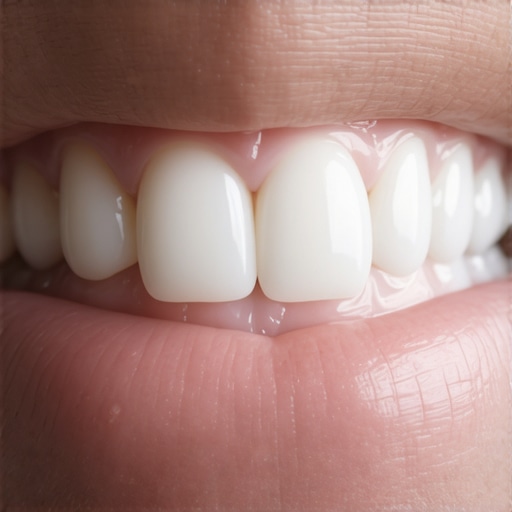
Have you ever taken a big bite of your salad, only to realize afterward that your dental bridge is secretly harboring tiny bits of food—especially seeds? I used to think it was just me, especially after enjoying a delicious, seed-filled bun or a handful of sunflower seeds. But then I had a little lightbulb moment that made me realize this was more than just a minor annoyance—it’s a real challenge with serious implications for your oral health.
My Struggle with Seeds Caught Under the Dental Bridge
Sitting at my kitchen table, trying to enjoy a fresh salad, I noticed how frequently seeds seemed to get stuck around my bridge. No matter how meticulously I brushed, the area felt sticky and uncomfortable afterward. It was frustrating—almost embarrassing—to have bits of food trapped so stubbornly. I didn’t want my smile to suffer or to face potential infections down the line. That’s when I decided I had to find a solution, rather than just accept it as part of life with a dental bridge.
Over time, I discovered that this issue isn’t unique to me. Many who have dental bridges report a similar problem where tiny seeds or fibrous foods slip in and get lodged. Why does this happen? Well, the design of many bridges—especially those replacing molars or back teeth—can create tiny gaps where food particles love to hide. Seeds, with their hard shells and small size, are notorious culprits. The tricky part is these bits often escape regular brushing and flossing efforts, hiding in places that are hard to reach.
In fact, a study published in the Journal of Oral Rehabilitation states that food trapping around fixed prostheses like bridges can increase the risk of inflammation and decay if not properly managed. It’s not just about food stuck between teeth, but how it can contribute to plaque buildup, causing bad breath, cavities, and even gum disease. That’s why solving this problem isn’t just about comfort; it’s about protecting your long-term oral health.
The Promise: Your Clear Path to a Cleaner, Seed-Free Smile
Today, I’ll share the tricks and techniques I’ve learned—those simple, effective steps that help prevent seeds from sneaking into my dental bridge. Whether you’re in the same boat or just tired of constantly picking at tiny bits of debris, these insights will give you the tools you need. No more awkward moments or lingering discomfort. With just a few adjustments to your routine, you can enjoy your favorite foods without fear of seed traps or compromised health.
Is It Really Worth the Effort? The Anxiety About Changing Oral Habits
Admittedly, I made the mistake early on of thinking that brushing alone would suffice. But I quickly realized that my usual flossing routine wasn’t enough. It’s common to underestimate the complexity of cleaning around bridges—just brushing and superficial flossing leave behind debris trapped in tiny nooks. If this sounds familiar, don’t worry—there are simple tricks and styles of floss or interdental brushes that can make all the difference. Want to learn the best way to keep your dental bridge seed-free? Stay tuned for practical tips and expert advice, including some insights from leading dental professionals, like the importance of regular professional cleanings and the right tools for your unique situation. Curious if you’re already doing enough? Check out this guide on [the ultimate advice for crowns and bridges](https://familydentistpro.com/the-ultimate-guide-to-crowns-for-a-healthier-smile) to see how you might improve your daily routine.
Let’s dive into practical strategies that will help you maintain a cleaner, healthier, and more comfortable smile—because nobody should have to deal with tiny, stubborn seeds ruining their mealtime experience.
,
Choose the Right Tools for Precise Cleaning
During a trip to my sister’s house, I once brought along a set of interdental brushes after realizing that standard floss couldn’t reach between my dental bridge’s tiny gaps. I soaked the brushes in mouthwash, then carefully maneuvered them around my bridge, much like a tiny scrub brush cleaning a delicate jewelry piece. The result? No more seeds or fibrous bits hiding in those hard-to-reach spots. Using interdental brushes designed for bridges can break down stubborn debris effectively, making oral hygiene more manageable and preventing seed buildup.
Incorporate Effective Flossing Techniques
One morning, I attempted flossing with regular floss but found it barely touched the hidden debris. Then, I switched to a threaded floss holder, which allowed me to glide the floss more precisely beneath the bridge. I moved the floss in a gentle sawing motion, making sure to go beneath the pontic (the fake tooth part) to dislodge trapped seeds. This approach is akin to threading a needle—precision is key. Employing waxed, shred-resistant floss enhances control, reducing the risk of damaging your gums or dislodging the bridge. For a step-by-step, check out [the ultimate guide to crowns for a healthier smile](https://familydentistpro.com/the-ultimate-guide-to-crowns-for-a-healthier-smile).
Use Water Flossers Effectively
My first attempt at a water flosser was messy—water splashed everywhere, and I felt like I was losing control. However, once I adjusted the pressure settings and aimed carefully beneath the bridge, it became an effective weapon against seed accumulation. The pulsating water helps dislodge particles stuck in tiny crevices, much like using a pressure washer on a stubborn stain. Position the water jet at a 90-degree angle to your gum line and move slowly along the entire perimeter of the bridge, especially focusing on the area prone to seed trap. Regular use significantly reduces debris hiding in hard-to-reach areas, as highlighted in [top oral health tips for your family’s bright smiles](https://familydentistpro.com/top-oral-health-tips-for-your-familys-bright-smiles).
Adopt Strategic Prophylactic Measures
Beyond daily routines, scheduling regular professional cleanings is essential. I booked an appointment with my dentist, who used ultrasonic scalers to remove tartar and ensure no seeds or plaque were lurking beneath the bridge. Think of this as a deep clean that your home routine can’t match—much like a car’s annual service. A quarterly visit can catch potential problems early, preventing inflammation and decay caused by trapped debris. Combining professional cleanings with diligent home care creates a robust defense, as suggested in [the secret to getting red wine stains off your teeth](https://familydentistpro.com/the-secret-to-getting-red-wine-stains-off-your-teeth-at-a-party).
Adjust Your Diet and Eating Habits
Instead of tackling the problem after it occurs, why not minimize seed intake during meals? I started choosing seedless bread and avoiding sunflower seeds when I knew my bridge required extra care. When eating fibrous foods, I cut them into smaller pieces or chew slowly, giving myself more control. Chewing thoroughly reduces the chance of seeds getting lodged, and it’s almost like breaking a puzzle into manageable parts—the fewer pieces, the easier to clean. For more insight, visit [the best way to store your toothbrush when traveling](https://familydentistpro.com/the-best-way-to-store-your-toothbrush-when-you-are-traveling).
Implement a Routine That Fits Your Lifestyle
Consistency is everything. I set a reminder on my phone to floss and clean with my interdental brushes after every meal. It became a habit, similar to brushing my teeth—the kind of routine that prevents seeds from ever accumulating and keeps my breath fresh. Over time, these steps became second nature, much like how Invisalign transforms family dentistry in 2025—subtle but impactful changes that boost overall health. To explore more about the latest innovations, check out [Invisalign innovations: the future of family dentistry revealed](https://familydentistpro.com/invisalign-innovations-the-future-of-family-dentistry-revealed-at-1137-am).
While many dental patients assume they understand the basics of Invisalign, crowns, and family dentistry, the reality is often more complex than the common myths suggest. One prevalent misconception is that Invisalign treatment involves little to no special maintenance, but in reality, understanding the nuances can significantly impact your results and oral health. For instance, some believe that Invisalign trays don’t stain, yet they are susceptible to discoloration from certain foods and beverages—making meticulous cleaning essential. Similarly, many think crowns are purely cosmetic, ignoring their role in long-term functionality and how improper care can lead to issues like sensitivity or failure. As an expert in restorative and cosmetic dentistry, I’ve observed that overlooking these subtleties often results in unexpected setbacks for patients.
What are the common pitfalls that even experienced patients fall into?
One critical trap is underestimating the importance of proper oral hygiene around crowns and Invisalign attachments. Regular brushing isn’t enough; neglecting interdental cleaning or professional check-ups can lead to plaque buildup, decay, or gum recession—even under well-placed restorations. Studies have shown that inadequate cleaning routines are linked to higher rates of peri-implantitis and crown deterioration (see this insightful guide for more). Another misconception revolves around family dentistry; some assume it’s simply about routine cleaning, but proactive diagnostics and understanding nuanced oral health risks for different age groups are vital for prevention. For example, early detection of tiny cracks or micro-leakages can save you from expensive repairs down the line.
Moreover, a common mistake is delaying professional evaluations, assuming that minor issues like mild sensitivity or slight discoloration will resolve on their own. In fact, these can be early warning signs of underlying problems—such as decay beneath crowns or minor shifts in Invisalign aligners—that require prompt intervention. That’s why regular check-ups are your best defense against hidden damage. If you haven’t yet explored how modern innovations are transforming family dentistry, check out this article to see what the future holds.
Why do some treatments fail prematurely despite good intentions?
This often relates to a lack of personalized care and understanding of materials’ nuances. For instance, not all crowns are created equal—some ceramics are more resistant to staining and chipping than others—yet many overlook this during selection. Similarly, with Invisalign, not wearing trays as prescribed or neglecting retainers after treatment can lead to relapse. Recognizing that each patient’s mouth is unique—requiring tailored advice and diligent home care—is fundamental to long-lasting results. A thorough grasp of these details underscores the importance of working closely with your dental professional, who can implement strategies like customized cleaning routines or advanced materials for crowns, significantly improving outcomes.
In the end, mastering these hidden nuances elevates your dental care from routine to exceptional, ensuring long-term oral health and a confident smile. Want to dive deeper into how to optimize your treatments? Explore the hidden benefits of Invisalign in family care to stay ahead. Have you ever fallen into this trap? Let me know in the comments and share your experiences—your insights might help others realize what they’ve been missing!
,
How Do I Maintain My Dental Tools Over Time?
To ensure your dental tools remain effective and hygienic, regular cleaning and proper storage are paramount. I personally prefer using ultrasonic cleaner devices, like the SonicVibe Ultrasonic Cleaner, which use high-frequency vibrations to remove stubborn plaque and debris from interdental brushes and water flossers. After each use, I rinse tools thoroughly with warm water, then place them in the ultrasonic cleaner for about five minutes. This process not only prolongs their lifespan but also prevents bacteria buildup, reducing the risk of infections. For storage, I recommend keeping your tools in a sealed container or a designated sterilized drawer to protect them from dust and recontamination. Regular maintenance like this is crucial for long-term results, especially when managing complex restorations like crowns or bridges, where cleanliness directly impacts durability and health outcomes. The trend points toward incorporating AI-powered sterilization systems that can monitor and optimize cleaning cycles, promising even greater safety and efficiency in the future.
What Are the Top Tools I Recommend for Persistent Dental Maintenance?
Based on my experience, I suggest investing in a high-quality water flosser such as the Waterpik Aquarius. Its adjustable pressure settings allow for gentle yet thorough cleaning around crowns, Invisalign attachments, and dental bridges. I set mine to a medium-high setting for effective plaque removal without discomfort. Additionally, interdental brushes like the TePe Interdental Brush are invaluable for reaching those tiny gaps that floss can sometimes miss, especially beneath bridges or crowns. Personally, I keep a selection of small and large sizes to customize cleaning for different areas. For more comprehensive guidance, explore the ultimate guide to crowns to understand how proper tool use can extend the life of your restorations and improve your oral health.
Boosting Long-Term Results with Smart Maintenance
While manual tools are essential, embracing smart technology can give you an edge. Digital toothbrushes equipped with pressure sensors, like the Oral-B Genius X, can help prevent over-brushing that might damage gums or restorations. These devices connect to smartphone apps to track your brushing habits, ensuring consistent and thorough cleaning. I personally rely on the app’s feedback to adapt my routine, knowing exactly when I’ve missed a zone. Looking ahead, advancements in AI-driven oral health monitoring could alert you to early signs of issues like microcracks in crowns or early signs of inflammation, leading to proactive interventions. To fully capitalize on these benefits, I recommend pairing your routine with professional check-ups at least twice a year, as highlighted in family dentistry trends.
Why Staying Consistent Matters
Upkeeping such tools and routines isn’t just about hygiene; it’s about extending the life of your dental work and safeguarding your overall health. Regularly replacing worn brushes and flossing accessories prevents bacteria transfer, and scheduling periodic professional cleanings ensures hidden plaque or seed debris, especially around crowns or bridges, is thoroughly removed. In the future, expect more integration of IoT devices that can automatically notify your dentist when maintenance is due, making long-term care more seamless. Don’t forget—incorporating these practices encourages better long-term outcomes and helps you avoid costly repairs or replacements down the line. Want to start with a simple step? Try calibrating your water flosser pressure to a comfortable yet effective level today, and notice the immediate difference it makes in daily maintenance.
Lessons Hidden in Plain Sight That Changed My Approach
- Realized that even the smallest detail, like seed size, can undermine years of dental health efforts—attention to detail prevents costly setbacks.
- Discovered that relying solely on brushing is like sweeping dust under the rug; interdental tools and water flossers are game-changers for comprehensive cleaning.
- Understood that professional cleanings act as a vital insurance policy—preventive care is worth every penny for long-term success.
- Learned that dietary choices directly impact the longevity of crowns and the health of Invisalign attachments—small adjustments lead to big results.
- Found that consistency in routines—set reminders, develop habits—turns complex regimens into second nature and keeps seed buildup at bay.
Tools That Put Control Back in Your Hands
From my experience, investing in high-quality interdental brushes like TePe and reliable water flossers such as Waterpik Aquarius revolutionized my approach to oral hygiene. These tools reach into tiny gaps that traditional floss often misses, especially crucial around dental bridges and crowns. I trust them because they make daily care manageable and effective, reducing the risk of seed entrapment and plaque buildup. For a deeper dive into selecting the best tools, check out the ultimate guide to crowns.
Feeling Inspired? Time to Take Action
Your journey toward a seed-free, healthier smile starts with small steps—integrate these targeted techniques into your routine today. Remember, mastering your oral health isn’t about perfection; it’s about persistence and proactive care. Empower yourself to enjoy your favorite foods without worry, knowing you’re protecting your long-term smile. Each effort you make now is an investment in your confidence and well-being. Ready to take control? Share your experiences or questions below, and let’s support each other on this path to optimal oral health!