
The reason your dental implant feels cold when you drink soda
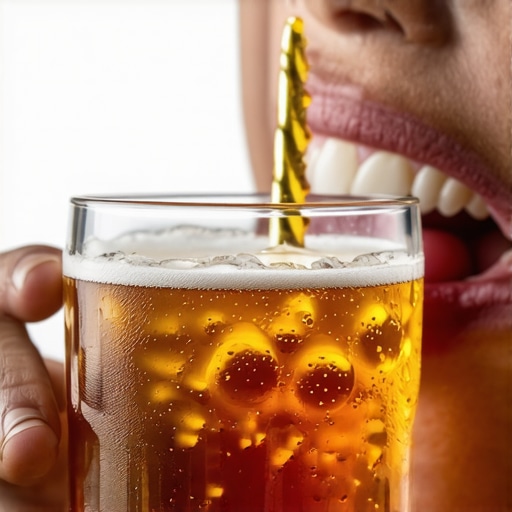
Ever since I got my dental implant, I noticed something strange—every time I sip my favorite fizzy drink, a sudden chill shoots through the spot where my implant is. At first, I thought it was just my imagination. But then I realized, this sensation is quite common and can be a bit unsettling. It made me wonder why that area feels so sensitive compared to my natural teeth.
Dealing with Unexpected Cold Sensitivity in Dental Implants
What’s really going on when your implant feels cold? Well, your teeth and implants are different animals. Natural teeth have a network of tiny nerves inside the dentin that alert us to changes like temperature. Dental implants, on the other hand, are made of titanium and are integrated directly into your jawbone, bypassing the nerve pathways.
But here’s the catch: sometimes, the tissues around your implant or the crown itself can become sensitive to temperature changes. This might happen if there’s a tiny crack in the crown, a gap between the implant and the crown, or if there’s some gum recession exposing more of the implant area. Additionally, the porous nature of the crown material can sometimes transmit cold sensations more readily.
As someone who initially made the mistake of ignoring minor discomforts—only to end up with more extensive issues later—I can tell you that paying attention to these sensations is crucial. Early detection can save you from costly repairs or even implant failure.
Have you experienced that icy jolt when drinking soda after your implant placement? If so, you’re not alone. Understanding why it happens is the first step toward addressing it. Over the next sections, I’ll share some practical insights and tips to help you manage this sensitivity and protect your smile.
For a deeper dive into the benefits of choosing the right crown for your implant, check out this resource on why crowns are a game changer in restorative dentistry which can bolster your understanding of implant care.
Inspect Your Crown Thoroughly
Begin by examining your crown for cracks or gaps; use a mirror and good lighting to look for any visible damage. If you notice chips or gaps, schedule an appointment with your dentist immediately. In my experience, catching even minor cracks early prevented the need for a complete crown replacement.
Check for Gum Recession and Exposed Implant
Gum recession can expose more of the implant, increasing sensitivity. Use gentle fingers or a clean mirror to assess if the gum tissue around your implant has receded. If you detect recession, consult your dentist to evaluate treatment options.
Identify Potential External Causes
Evaluate your habits—are you biting into very cold foods or drinks frequently? Using a straw can helpDIRECTLY reduce the cold exposure, much like how placing a barrier shields your skin from cold wind. I recall adjusting my drinking habits after noticing sensitivity during winter; this simple change noticeably reduced discomfort.
Maintain Optimal Oral Hygiene
Ensure the area around your implant stays clean to prevent inflammation or infection that might heighten sensitivity. Use a soft-bristled toothbrush and gentle brushing techniques. Incorporating interdental brushes or water flossers can reach tight spaces effectively, maintaining hygiene without damaging tissues.
Employ Desensitizing Products
Over-the-counter desensitizing toothpaste containing potassium nitrate can help soothe nerve endings. Apply the paste consistently, and expect improvements within a couple of weeks. Personally, I found that using desensitizing toothpaste in combination with rinses eased my cold sensitivity significantly.
Seek Professional Treatment if Needed
If the sensitivity persists, schedule an appointment with your dentist through this contact page. They may recommend procedures like applying desensitizing agents professionally or adjusting the crown if it has become loose or cracked.
Prevent Future Sensitivity
Adopt habits that minimize cold exposure—such as avoiding very cold beverages or using a straw—and consider regular check-ups to catch issues early. Remember, investing time in these steps today can save you from complex repairs later, much like routine maintenance prolongs the life of valuable equipment.Many patients operate under misconceptions about crowns, oral health, Invisalign, and family dentistry, which can lead to costly mistakes. Let’s dig deeper into these nuances and challenge some widespread beliefs. One myth is that all dental crowns last forever; in reality, their longevity highly depends on material choice and oral habits. For example, zirconia crowns tend to be more durable than porcelain veneers, but both require proper maintenance.
Are You Overlooking the Fine Print in Your Dental Care?
Too often, patients assume that routine dental visits are unnecessary if they feel fine. However, regular check-ups can catch issues like micro-cracks or early decay that aren’t visible or painful yet. This early detection is vital in preventing complex procedures later. Additionally, some believe that Invisalign is solely for cosmetic alignment, but studies show it can also help correct bite issues, improving overall oral function. For instance, a 2020 study published in the Journal of Orthodontics highlights Invisalign’s effectiveness in treating mild to moderate malocclusions, proving its versatility beyond straightening teeth.
Beware the Trap of DIY Dental Solutions
Many enthusiasts attempt at-home fixes, believing they can save a trip to the dentist. However, this is risky—improper use of dental adhesives or attempting to modify crowns without professional guidance can cause irreparable damage. For example, attempting to reshape a crown with a household tool might create sharp edges or weaken the restoration, leading to more extensive repairs. It’s always better to consult an expert for advice and treatment options. Moreover, some think that using whitening toothpaste will brighten their crowns and natural teeth uniformly. Unfortunately, crowns are resistant to bleaching agents, so whitening products won’t affect them and may cause uneven coloring, which is why discussing cosmetic options with your dentist is essential. For more insights into choosing the right crown material for your needs, check out this guide on long-lasting crowns.
Is Family Dentistry Just About Cleanings?
Not quite. Modern family dentistry involves comprehensive care, including preventive strategies, education, and advanced techniques like laser therapy or digital X-rays. Many overlook the importance of personalized care plans that adapt as your family’s needs evolve. Incorporating recent innovations can elevate your dental health—did you know that intraoral scanners can now replace traditional impression molds, making visits more comfortable? Investing in these technologies has shown to improve diagnostic accuracy and patient satisfaction, supported by recent research from the American Dental Association. So, don’t underestimate the depth of what family dentistry offers. Instead, look for a practice that keeps up with the latest advancements to ensure your entire family’s oral health is optimized. Remember, understanding these nuances helps you make smarter decisions and avoid simple pitfalls. Have you ever fallen into this trap? Let me know in the comments.
Maintaining your crowns, implants, and Invisalign aligners requires more than just daily brushing. Over the years, I’ve discovered that investing in the right tools significantly extends the lifespan of your dental work and ensures optimal oral health.
Choosing the Right Instruments for Precision and Comfort
One staple in my dental maintenance routine is a high-quality sonic toothbrush like the Philips Sonicare DiamondClean. Its superior plaque removal capability and gentle vibration make it ideal for cleaning around crowns and implants without causing undue stress or damage. I personally prefer a model with multiple brushing modes and a timer, which helps me stay consistent and thorough. Pairing this with interdental brushes, especially the ones designed for narrow spaces, makes cleaning between teeth and around hardware hassle-free. These small tools allow me to eliminate plaque in areas that traditional brushing might miss, reducing the risk of complications.
Leveraging Software to Track and Improve Oral Care
Aside from physical tools, I utilize mobile apps like Dentacare to monitor my brushing and flossing habits. Such apps provide visual feedback and reminders, motivating me to stick to my routine. They also record data over time, giving me insight into patterns that might lead to issues like gum recession or crown failure. Using technology to visualize your progress can make a noticeable difference in maintaining long-term oral health. As future trends develop, more advanced AI-driven tools are expected to offer personalized maintenance plans based on your unique dental profile, making care even more effective.
How do I maintain my dental restorations over time?
Regular check-ups are essential, and your dentist might recommend professional cleaning techniques, such as air abrasion or ultrasonic scaling, to keep your smile in tip-top condition. Incorporating custom fluoride varnishes can also reinforce your tooth enamel and protect against decay around crowns and implants. Remember, consistency is key—over time, these targeted tools and practices will pay dividends in preserving the integrity of your dental investments. For more detailed guidance on choosing the best crown materials and maintenance strategies, visit this comprehensive resource. Don’t forget to try out a high-end sonic toothbrush paired with interdental brushes; it might just revolutionize your home care routines. As research in dental material science advances, such as the work published in the Journal of Prosthodontics, our ability to maintain durable and aesthetic restorations continues to grow—embrace these innovations today for a healthier, longer-lasting smile.
Little Secrets That Changed My Dental Perspective
One of the biggest lessons I learned was that not all dental advice applies universally; what worked for one person’s crown longevity or Invisalign success might not suit another. Recognizing the importance of personalized consultations helped me avoid costly mistakes and tailored my oral care routine effectively.
Discovering the subtle differences between crown materials—like zirconia versus porcelain—taught me that investing in quality can dramatically extend your restorations’ lifespan, ultimately saving money and reducing anxiety over unexpected repairs.
Realizing that regular family dentistry isn’t just about cleanings, but proactive health assessments, prompted me to prioritize bi-annual check-ups even when I felt fine. Early detection of tiny issues became my secret weapon against major dental problems later on.
Tools and Resources That Lift My Smile Game
Family dentistry guides such as this comprehensive resource have kept me updated on the latest techniques, from digital X-rays to laser therapies, enhancing my ability to care for my loved ones effectively.
I trust high-quality sonic toothbrushes like the Philips Sonicare DiamondClean, which provide gentle yet thorough cleaning—essential for crowns and implants. Pairing these with interdental brushes recommended in oral health tips for families ensures no plaque sneaks past.
For ongoing motivation, apps such as Dentacare serve as digital coaches, reminding me when to replace my toothbrush or schedule flossing sessions, keeping my oral health momentum strong. Staying engaged through these tools amplifies my overall dental confidence.
Your Next Step Toward Confident Smiles
Embrace these lessons and tools, and give yourself permission to prioritize your dental health as an ongoing journey—not just a chore. Each small step builds toward a future where dental discomfort and surprises take a back seat, replaced by a bright, healthy smile.
What’s one change you’re excited to try in your oral health routine after reading this? Think about how personalized care could make a difference—share your thoughts below and let’s grow together.