
The reason your dental implant feels like it is vibrating
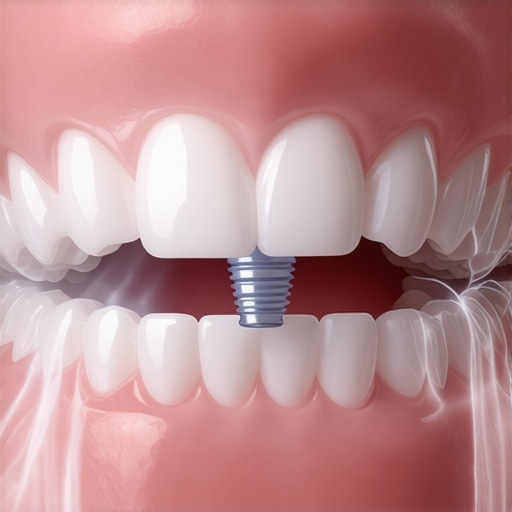
It was late at night, and I was quietly watching TV when I suddenly felt an uneasy tremor in my mouth. Turns out, that odd sensation wasn’t just my imagination—it was my dental implant giving me a little surprise. At first, I panicked, thinking, “Is something wrong? Am I going to lose it?” This jolt of worry is quite common among those with dental implants, and frankly, it can be downright unsettling.
Understanding the Unexpected Vibration in Your Implant
Many people don’t realize that a vibrating or flickering sensation in a dental implant isn’t necessarily an emergency, but it’s definitely something worth paying attention to. Having been through it myself, I can tell you that this sensation often signals an underlying issue that, if left unchecked, could lead to more serious problems down the line. Today, I want to share the insights I’ve gathered from personal experience and professional advice to help you decode what your implant might be telling you.
Is Your Implant Actually Worth Worrying About?
Early on, I made the mistake of dismissing that vibrating feeling as nothing serious—something I read online about minor sensations. However, ignoring it could have been a costly error. When I finally consulted my dentist, I learned that such sensations could stem from various issues, including implant loosening, gum infection, or even nerve irritation. Recognizing the symptoms early can make all the difference in preventing further complications.
Did you know that according to research, about 4-10% of dental implants experience some degree of failure, often linked to movement or discomfort? This statistic underscores the importance of paying close attention to sensations like vibrations.
If you’ve experienced something similar, you’re not alone. Understanding what’s happening beneath the surface helps you take informed action. Next, let’s explore the common causes behind that unsettling vibration and how you can address them before they escalate.
Identify the Root Cause of the Vibration
When I first noticed that unsettling vibration in my implant, I didn’t jump to conclusions. I carefully examined whether it coincided with anything like recent chewing habits or oral trauma. To do so, I gently pressed around the implant area with my clean finger—if it wobbled or felt loose, that was a sign I needed professional help. Recognizing the cause early can prevent further issues like infection or implant failure. Remember, a loose implant is akin to a door hinge that’s come undone—if not fixed, the entire structure becomes unstable. To be sure, schedule an appointment with your dentist through contact us and get a thorough evaluation.
Check for Signs of Infection or Gum Issues
Look for redness, swelling, or pus
In my case, I observed slight redness and a reserved swelling around the implant. These are common signs of gum infection or peri-implantitis, which require prompt attention. Use a clean cloth or gauze to gently wipe the area—if there’s pus or bleeding, it indicates an infection that can’t be ignored. To address this, your dentist might prescribe antibiotics or perform a cleaning to eliminate bacteria. Don’t delay—early intervention is critical. For the latest trends and techniques in family dentistry, check this resource.
Assess Your Oral Hygiene Routine
Effective cleaning habits are your first line of defense. I realized that inconsistent flossing and irregular brushing could have contributed to plaque buildup around the implant. To mimic my approach, I adopted a meticulous oral hygiene routine—brushing twice daily with fluoride toothpaste, flossing at least once, and using an antimicrobial rinse. Remember, flossing helps remove debris from hard-to-reach areas, preventing bacteria from causing inflammation or loosening the implant. Consider using a Water Flosser for precision, especially around implants, which makes cleaning easier and more effective. For expert insights, explore this guide.
Seek Professional Dental Advice Promptly
The most crucial step I took was scheduling an appointment without delay. A quick consultation with a family dentist can help determine whether the implant is merely settling or needs urgent intervention. They might perform radiographs or scans—think of these as the X-ray vision needed to see beneath the surface—identifying issues like bone loss or implant loosening. If your implant is compromised, you might need procedures like re-tightening, membrane placement, or even replacing the crown. To ensure you get expert care, contact a trusted dentist through this link. Remember, tackling these problems early preserves your smile and prevents more invasive and costly procedures later.
Plan for Long-Term Maintenance
Once resolved, maintaining your implant’s health involves regular check-ups—about twice a year—and consistent home care. I set reminders to replace my toothbrush regularly and adopted gentle brushing techniques, mimicking the style used after crown procedures, which prevent undue stress on the implant. Incorporate periodic professional cleanings to monitor for early signs of complications. Staying vigilant is like tuning an instrument—small adjustments keep it playing perfectly long-term. For updates on the latest in family dental care, visit this page.
Why Most People Misunderstand Invisibility Aligners and Oral Care
Many believe that clear aligners like Invisalign are just a cosmetic fix, but the truth runs deeper. While their aesthetic appeal is undeniable, their success heavily depends on proper care and understanding of their mechanics. One prevalent misconception is that you can simply wear them and forget about oral hygiene—nothing could be further from the truth. In fact, neglecting cleaning your aligners or failing to maintain excellent oral health routines can lead to plaque buildup, cavities, and even gum disease, which undermine your treatment goals. Don’t fall into the trap of thinking invisalign is a silver bullet; it’s a tool that requires responsible use and comprehensive oral care. For more on debunking Invisalign myths, visit this resource.
Uncovering the Overlooked Causes of Crown Failure
Everyone knows that crowns restore damaged teeth, but many overlook subtle mistakes that can lead to failure over time. A common mistake is choosing the wrong material for your crown; porcelain crowns offer aesthetics but may lack strength in certain cases. Another nuanced issue is improper cementation; if the crown isn’t bonded correctly, it can loosen or develop decay underneath. Additionally, some underestimate the importance of occlusion—the way your teeth come together—which, if misaligned, can exert undue stress on crowns, causing fractures or dislodgement. Recognizing these hidden pitfalls can significantly improve the longevity of your restorations. Be sure to consult with your dentist about expert advice on crown selection and placement.
Mastering Advanced Oral Health: A Deep Dive into the Nuances
It’s tempting to think that brushing twice a day and regular flossing are enough, but there’s more to optimal oral health than meets the eye. For example, recent studies highlight that the sequence of oral hygiene procedures affects plaque removal efficiency. Brushing before flossing can disturb biofilms, making flossing more effective in removing debris. Moreover, some ingredients in mouthwashes can interfere with enamel remineralization or disrupt the oral microbiome, paradoxically harming long-term health. Additionally, certain populations, such as those with diabetes or immunocompromised statuses, require tailored strategies to prevent infections and ensure healing. Have you ever fallen into this trap of oversimplified routines? Let me know in the comments. To explore more about advanced family dentistry techniques, visit this page.
Recognizing and addressing these often-overlooked nuances can dramatically enhance your dental outcomes. Always seek guidance from qualified professionals to implement these insights effectively. Your smile deserves nothing less!
Keeping Your Smile in Top Shape with Proven Tools and Techniques
Maintaining your oral health over the years demands more than regular brushing and flossing; it requires the right equipment, software, and practices that suit your specific dental needs. I personally rely on a combination of advanced tools and methodical routines to ensure my restorations, aligners, and general oral health remain optimal. Let me walk you through the essentials I recommend for long-term success and discuss where I see these trends heading in the future.
Precise Oral Hygiene with Electric Encoders
One of my favorite instruments is the Sonicare DiamondClean electric toothbrush, which uses sonic technology to deliver up to 62,000 brush movements per minute. Unlike standard brushes, this model provides superior plaque removal and is gentle on crowns and implants, reducing the risk of damage or irritation. I’ve found that the adjustable intensity settings and pressure sensors prevent overbrushing—crucial for preserving delicate restorations. Regularly replacing the brush head every three months ensures maximum efficiency, which is a practice I strictly adhere to for maintaining that fresh, clean feeling daily.
Smart Flossing with Guided Devices
When it comes to flossing, I swear by the Waterpik Sonic-Fusion. This device seamlessly combines traditional floss with water pulsation, delivering targeted cleaning around implants and braces that traditional floss can’t reach. For me, it’s about precision and ensuring no plaque or food debris linger, especially in tricky areas. Using guided flossers with built-in guides has significantly improved my technique and reduced gum bleeding and inflammation—beneficial for those with crowns or sensitive gums.
Monitoring Tools to Track Progress
Dental software like Smile Mate allows me to objectively track my oral health over time through AI-powered imaging and progress reports. Such tools help identify early signs of decay, gum recession, or implant instability before symptoms become visible. At home, I use a portable intraoral camera to get a close-up view of problem spots, enabling me to communicate concerns more effectively during my dentist visits. This proactive approach can save time and prevent complex procedures down the line, which is the essence of “keeping it working.”
Anticipating Future Innovations in Dental Tech
Looking ahead, I predict continuous advancements in AI-driven diagnostics, with tools that provide real-time monitoring of tissue health and implant stability via wearable sensors. Robotics for precise crown placement and laser-assisted procedures will become standard, further reducing the risk of failure and improving long-term outcomes. Staying updated with these innovations means incorporating them into your routine early—so I recommend subscribing to trusted dental tech updates and discussing new tools with your family dentist.
How do I maintain long-term dental success?
Consistent use of these advanced tools and regular professional assessments create a robust defense against common pitfalls like crown failure, implant loosening, or decay. Start by integrating a guided water flosser into your nightly routine—it’s a game-changer for proper cleaning, especially around crowns and implants. For personalized guidance and to explore how these tools can suit your specific needs, contact your dentist today through this link. Embracing technology is not just about convenience; it’s about ensuring your smile remains strong and vibrant for decades to come. Give one of these tools a try and start building a resilient foundation for your oral health journey.
3 Surprising Insights That Transformed My Understanding of Dental Care
- Realizing that even minor sensations like vibrations can signal important issues, prompting me to seek professional help sooner rather than later, which saved me from complex procedures.
- Understanding that consistent, tailored oral hygiene routines are vital—things like choosing the right tools and techniques make all the difference in long-term implant success.
- Recognizing that staying informed about the latest family dentistry innovations and debunking myths is crucial for making empowered decisions about my oral health.
Where My Dental Wisdom Comes From and What I’d Recommend
- FamilyDentistPro’s Trend Reports—These insights keep me updated on cutting-edge methods like laser-assisted procedures and AI diagnostics, which I trust because they’re grounded in evidence and expert consensus.
- Books on Restorative Dentistry—Titles like “The Ultimate Guide to Crowns” have helped me understand the nuances of material choices and maintenance, empowering me to care for my restorations responsibly.
- Patient-Centered Care Resources—Websites offering practical tips on long-term maintenance, such as proper flossing techniques with implants, have been invaluable in my routine.
Your Smile Deserves the Best—Take Action Today
Remember, every detail matters when it comes to oral health, especially with implants and crowns. Embracing proactive care and staying informed can make your dental journey smooth and rewarding. Don’t wait for problems to escalate—start implementing these lessons now and schedule your professional check-up to ensure your smile remains strong and vibrant for years to come. Have you experienced a dental surprise that changed your routine? Share your story below!
,